Related Articles
- Culinary Cartography: The Unexpected Foods Shaping Local Identity in Urban Landscapes
- Flavors of the Forgotten: Rediscovering Culinary Traditions in the Shadows of Modern Food Trends
- Palate Pilgrimage: The Unlikely Fusion of Ancient Rituals and Modern Local Fare
- Ecosystem Engineers: Celebrating the Role of Nature-Based Solutions in Transforming Eco-Travel Experiences
- Ghost Towns and Green Trails: Unearthing Sustainable Journeys Through Forgotten Landscapes
- Hidden Footprints: Decoding the Carbon Footprint of Digital Nomadism in Edging Towards Sustainable Getaways
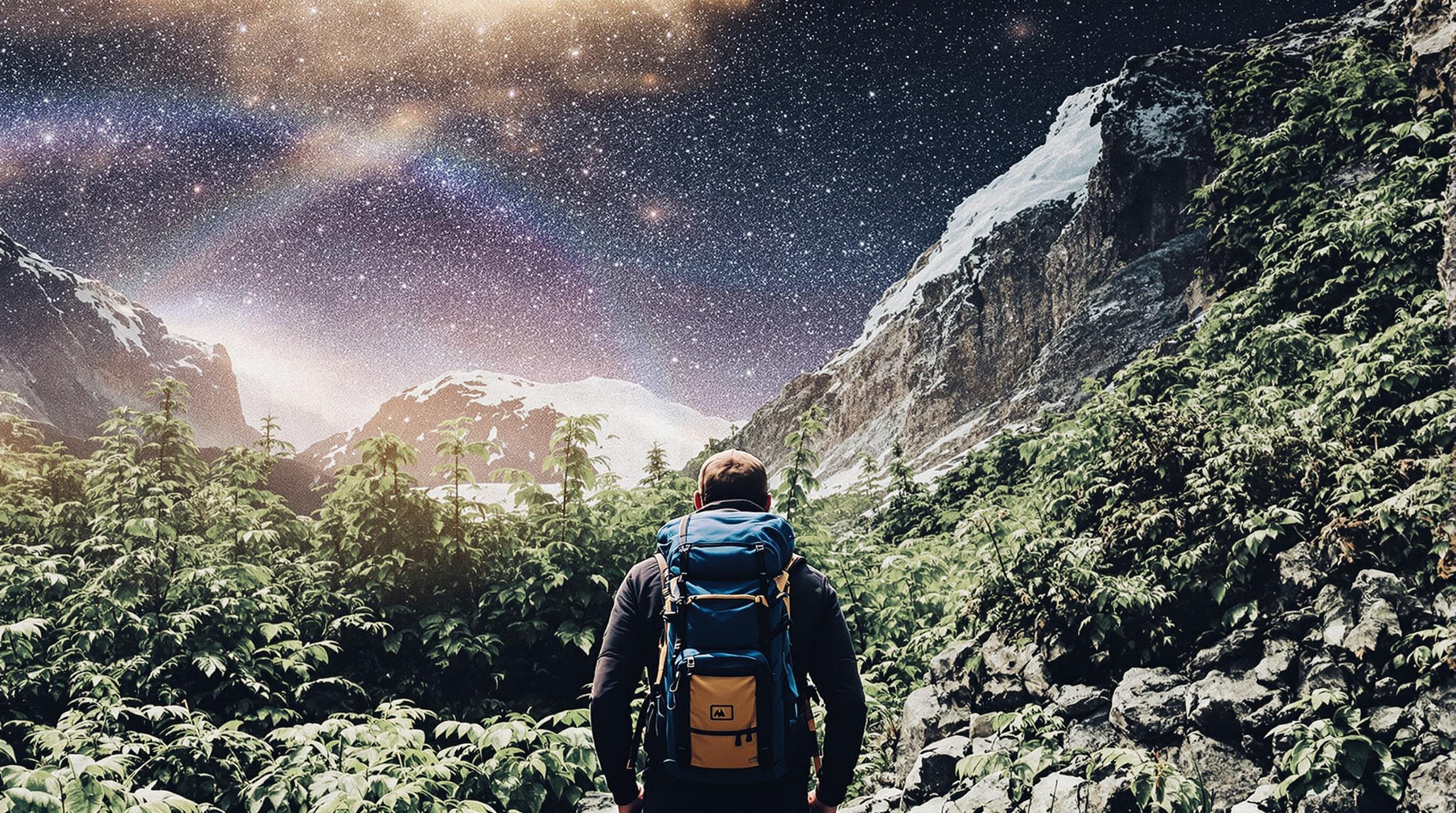
9 Mind-Bending Backpacking Philosophies: Embracing Solitude and Self-Discovery on Your Transformational Journey
9 Mind-Bending Backpacking Philosophies: Embracing Solitude and Self-Discovery on Your Transformational Journey
9 Mind-Bending Backpacking Philosophies: Embracing Solitude and Self-Discovery on Your Transformational Journey
1. The Call of Solitude
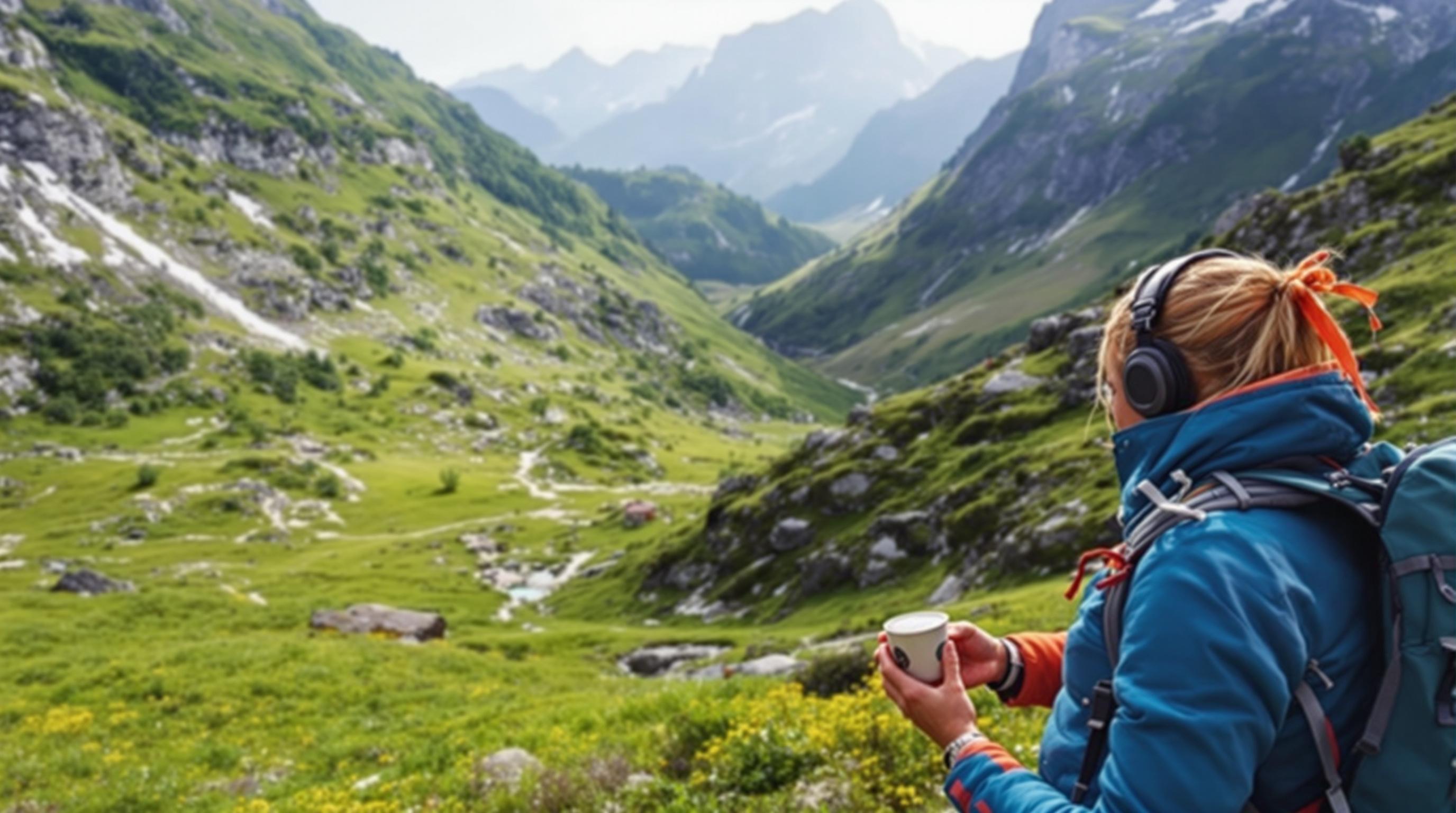
The journey into the wilderness often begins with a desire for solitude. In a world overstimulated by technology and constant connectivity, retreating into nature offers a space to disconnect and reflect. As John Muir famously stated, "In every walk with nature, one receives far more than he seeks." This solitude allows travelers to confront their thoughts and emotions without distractions.
Isolation in nature can evoke profound self-awareness, as it provides a backdrop for introspection. Backpackers frequently report a deeper understanding of their fears, motivations, and desires when they isolate themselves from societal expectations. The rhythm of the wilderness allows them to connect with their core values and personal narratives.
Additionally, solitude fosters a sense of empowerment. When backpackers navigate unfamiliar trails alone, they learn to rely on their instincts and capabilities. This experience of self-reliance can lead to increased confidence that transcends the boundaries of the trail. Ultimately, embracing solitude becomes a powerful tool for personal transformation.
2. The Impermanence of Experience
One of the fascinating aspects of backpacking is the reminder of life's impermanence. Each journey involves fleeting moments—sunsets, encounters with wildlife, and conversations with fellow hikers—that remind individuals of the transient nature of life. Philosophically, this can lead to a deeper appreciation for the 'now,' an idea echoed in the teachings of mindfulness.
Backpackers often find that fleeting experiences become profound memories. By acknowledging that nothing lasts forever, they cultivate gratitude for each moment. This perspective encourages them to be fully present, enhancing their overall experience and deepening their connection to the natural world.
Moreover, the shifting landscapes and ever-changing weather encountered during backpacking serve as metaphors for life’s unpredictability. Embracing this notion can empower travelers to navigate their personal lives with greater resilience, equipping them to handle change and uncertainty more gracefully.
3. Nature as a Teacher
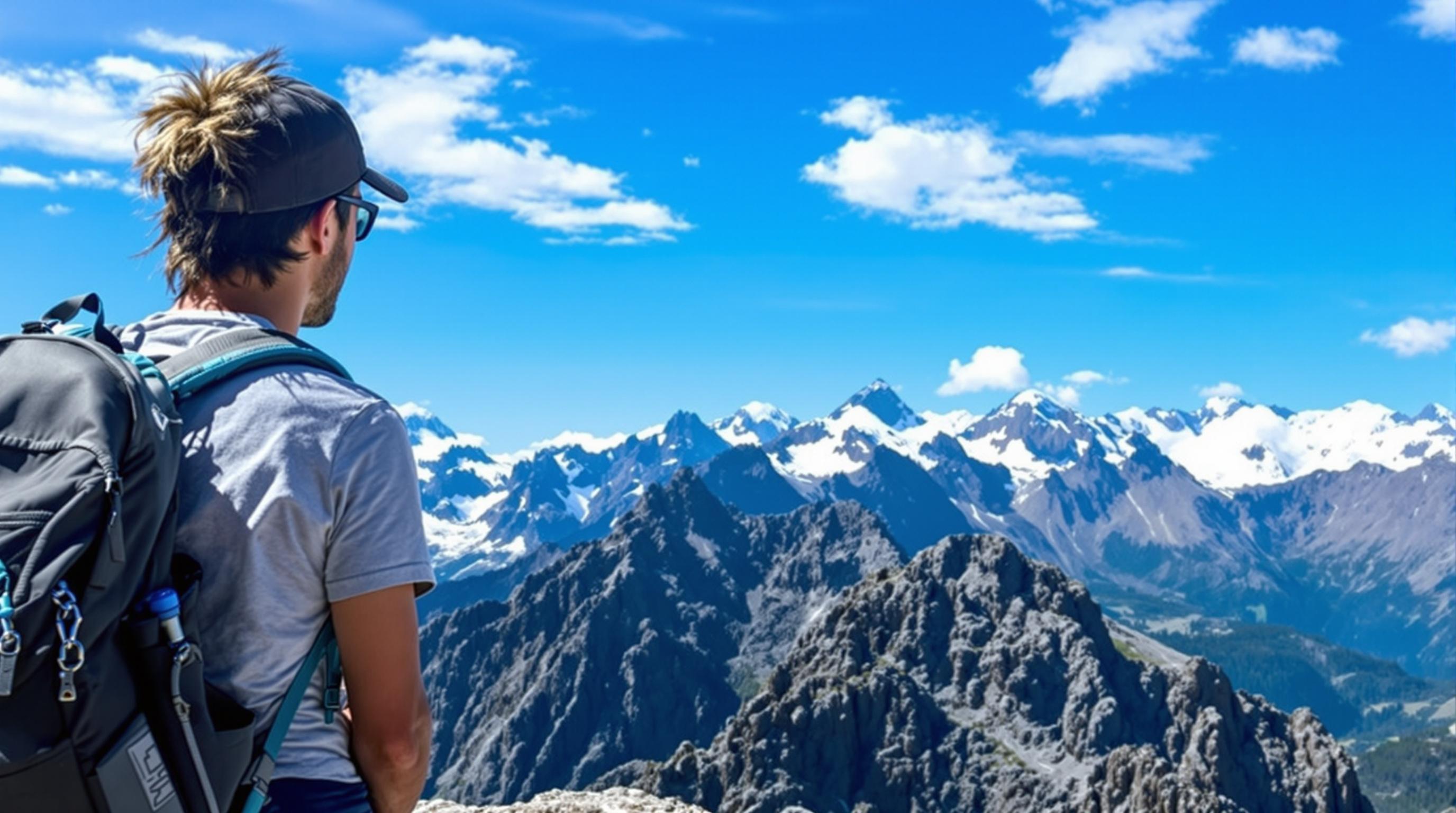
Long treks through nature reveal that the environment can serve as a profound teacher. From the intricate ecosystems of the forest to the vastness of open plains, each element of nature possesses lessons waiting to be uncovered. As naturalist Ralph Waldo Emerson articulated, "Nature always wears the colors of the spirit," suggesting that the external world often reflects internal states.
Backpackers who immerse themselves in this natural classroom gain insights into ecological balance, sustainability, and interconnectedness. Each challenge faced on the trail—be it navigating difficult terrain or coping with inclement weather—offers opportunities for problem-solving and adaptability. These skills are not just useful on the trail; they translate well into daily life.
In addition, the lessons of patience and persistence learned in nature can profoundly impact a backpacker's personal growth. A long hike often requires mindfulness and endurance, mirroring the challenges one faces in life. Embracing these lessons helps travelers cultivate a mindset of growth and resilience beyond their journey.
4. Understanding the Self Through Discomfort
Backpacking frequently involves discomfort, whether from physical exertion, unpredictable weather, or navigating new environments. This discomfort often serves as a mirror, reflecting personal fears and insecurities. When removed from comfort zones, individuals may confront emotions that have been suppressed or ignored.
Engaging with discomfort can foster self-discovery and personal growth. Many travelers find that pushing their physical and mental limits leads to transformative experiences. As they learn to navigate through challenging situations, they develop not just physical endurance but emotional resilience too.
In confronting discomfort head-on, backpackers often discover hidden strengths and new perspectives on their abilities. This understanding can be applied in everyday life, allowing individuals to face challenges with newfound confidence and clarity.
5. The Power of Community
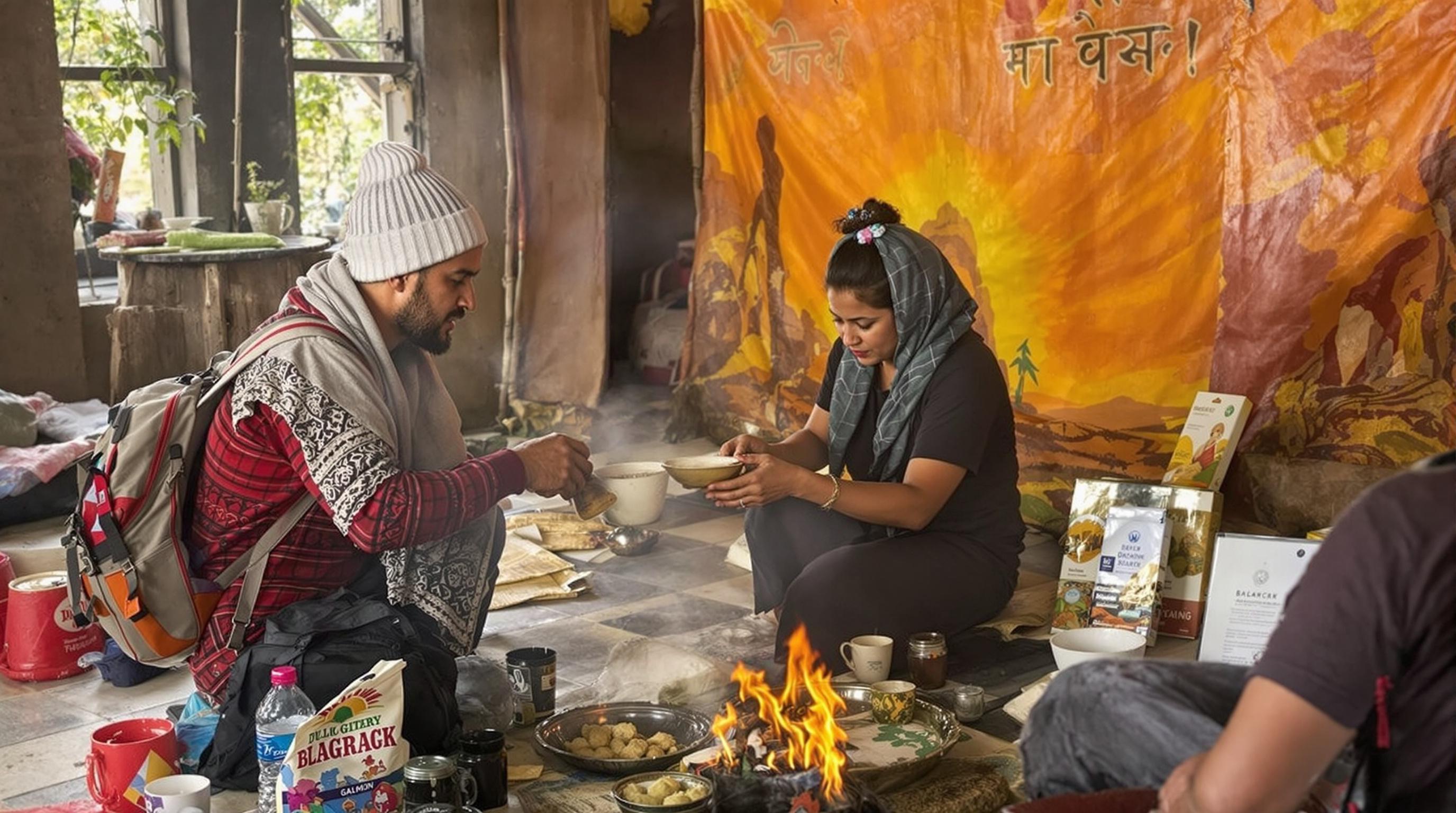
While backpacking is often a solitary pursuit, many find strength and inspiration in community. Whether sharing a campsite, exchanging stories on the trail, or participating in larger group hikes, the connections forged can significantly amplify the transformative experience of backpacking. The shared love for adventure creates bonds that transcend backgrounds and experiences.
Communities of travelers often foster environments of support and encouragement, allowing individuals to express themselves authentically. These interactions can lead to rich discussions on life philosophies, aspirations, and fears, providing a sense of connection that many seek and find lacking in modern society.
Thus, understanding the importance of community in backpacking journeys highlights the balance between solitude and connection. As backpackers return to their daily life, they often carry these friendships and shared experiences with them, enriching their lives well beyond the trails.
6. Mindfulness in Motion
Backpacking inherently encourages a state of mindfulness. The very act of walking through natural landscapes requires a focus on the present moment, making it an ideal practice for cultivating mindfulness. By concentrating on each step and the sensations of the environment, backpackers often find a clarity that eludes them in the hustle of daily life.
This mindfulness practice extends to appreciating the sights, sounds, and smells of nature. Engaging all five senses can transform even a simple hike into a meditative experience. When backpackers take the time to absorb their surroundings, they often report a greater sense of peace and connection to the world around them.
Moreover, this practice of mindfulness can help individuals process their thoughts and emotions more effectively. In these moments of presence, travelers can work through their concerns, ultimately emerging from their journey feeling more grounded and centered.
7. Finding Purpose Through Exploration
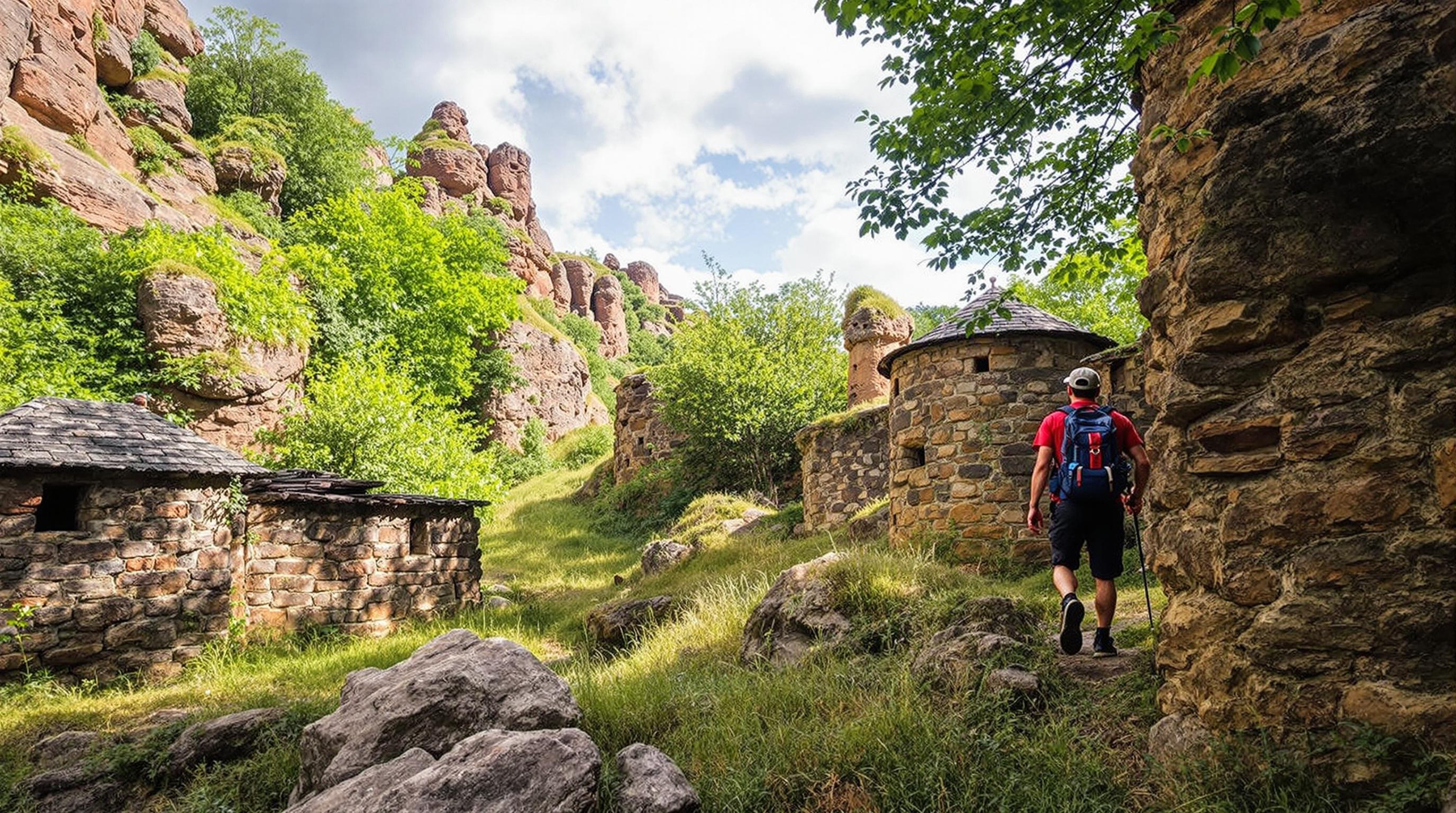
Exploration is a driving force behind many backpacking journeys, often leading to unexpected revelations and insights. As individuals traverse new terrain and encounter diverse cultures, they are encouraged to reflect on their purpose and direction in life. This exploration can catalyze significant personal transformations, transforming mere adventurers into seekers of meaning.
Through discovering new landscapes and communities, backpackers often begin to unearth their passions and interests. The freedom of exploration offers a canvas to envision possibilities that may have previously seemed unattainable. Encountering new perspectives can inspire major life changes or reaffirm existing paths.
Ultimately, the journey of exploration becomes one of both geographic and inner discovery. As backpackers return from their travels, they often carry with them a renewed sense of purpose, clarity on their ambitions, and an eagerness to pursue their dreams.
8. The Art of Letting Go
Backpacking often necessitates letting go of physical and emotional baggage. Whether it’s learning to travel light or releasing preconceived notions of comfort, this journey teaches the art of detachment. Individuals often find that simplifying their lives enhances their experiences on the trail and beyond.
Learning to let go of unnecessary items and distractions can foster a greater appreciation for what truly matters in life. It forces individuals to evaluate their values and priorities, increasing their self-awareness. This practice of minimalism in both the physical and emotional realms can lead to a more fulfilling existence.
As travelers learn to embrace the concept of letting go, they often feel liberated. This newfound clarity allows them to engage more meaningfully with their journey and ultimately carry forward lessons about detachment and appreciation for the present moment.
9. The Interconnectedness of All Things
Backpacking offers a unique lens through which to explore the interconnectedness of life. As individuals navigate ecosystems, they often witness firsthand how all organisms interact and rely on one another. This awareness can profoundly influence their worldview, fostering a deeper understanding of both nature and humanity.
This interdependence extends beyond the natural world; it also applies to human experiences. Through stories shared on the trail, travelers discover how interconnected their life experiences can be, regardless of geographical distance. This sense of belonging contributes to a broader narrative of humanity, reminding backpackers that their struggles and triumphs are shared.
Ultimately, recognizing the interconnectedness of all things nurtures a sense of compassion and empathy. Backpackers often return from their journeys with a renewed commitment to foster positive relationships, not only with nature but also with fellow human beings.
Read More