
Related Articles
- Culinary Cartography: The Unexpected Foods Shaping Local Identity in Urban Landscapes
- Flavors of the Forgotten: Rediscovering Culinary Traditions in the Shadows of Modern Food Trends
- Palate Pilgrimage: The Unlikely Fusion of Ancient Rituals and Modern Local Fare
- Ecosystem Engineers: Celebrating the Role of Nature-Based Solutions in Transforming Eco-Travel Experiences
- Ghost Towns and Green Trails: Unearthing Sustainable Journeys Through Forgotten Landscapes
- Hidden Footprints: Decoding the Carbon Footprint of Digital Nomadism in Edging Towards Sustainable Getaways
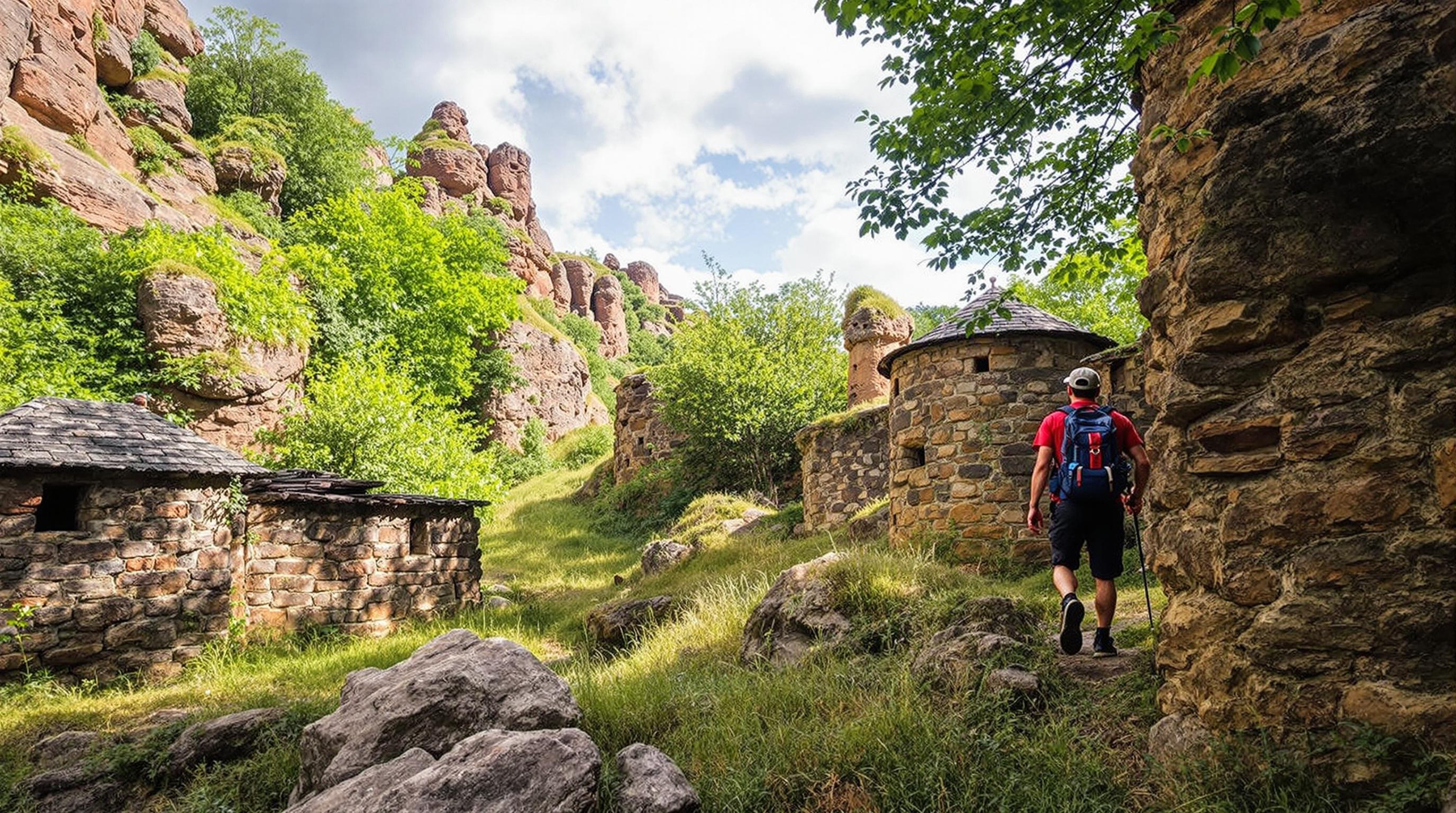
8 Historical Tales from the Trail: Unearthing the Stories of Ancient Travelers on Your Next Backpacking Expedition
8 Historical Tales from the Trail: Unearthing the Stories of Ancient Travelers on Your Next Backpacking Expedition
8 Historical Tales from the Trail: Unearthing the Stories of Ancient Travelers on Your Next Backpacking Expedition
The Silk Road: A Tapestry of Cultures
The Silk Road, a vast network of trade routes that connected the East and West, facilitated the exchange of silk, spices, and ideas between ancient civilizations. Merchants traversed treacherous terrains, navigating deserts and mountains to connect cities like Chang'an and Constantinople. These travelers played a pivotal role in cultural diffusion, bringing with them not only goods but also technology, religion, and art.
Among the many stories etched into the sands of the Silk Road, one of the most fascinating is that of Zhang Qian, a Han Dynasty envoy whose journeys in the 2nd century BCE opened China to the wider world. His explorations inspired trade diplomacy that lasted for centuries, reshaping the course of history and establishing networks that persist even today.
As you embark on your backpacking expedition, consider the challenges faced by these ancient ambassadors of commerce. Much like them, modern travelers navigate their own paths that are steeped in history and rich with stories waiting to be uncovered.
Inca Trails: Echoes of the Ancients
The Inca Trail, renowned for its breathtaking landscapes and archaeological wonders, tells the tale of a sophisticated civilization that thrived in the Andes mountains. Stretching from Cusco to the sacred site of Machu Picchu, this trail showcases the ingenuity of the Incas as their extensive network of paths was designed to facilitate trade and communication across their vast empire.
Travelers today can walk in the footsteps of ancient messengers known as chasquis, who relayed messages and goods throughout the empire at astonishing speeds. The story of the Inca Trail is not just about physical journeys, but about the social and political structures that supported it. Artifacts and ruins along the route bear witness to the rich cultural heritage of a society long gone.
Each step taken on the Inca Trail is a homage to the past, inviting modern-day adventurers to reflect on the intricate web of connections that existed long before our time. There's beauty in participating in this continuity of exploration.
The Camino de Santiago: A Spiritual Sojourn
The Camino de Santiago, or the Way of St. James, is a medieval pilgrimage route leading to Santiago de Compostela in northwest Spain. Pilgrims from diverse backgrounds have walked this path for centuries, driven by faith, adventure, or a combination of both. Each year, thousands of modern pilgrims follow the ancient trails, echoing the footsteps of those who sought spiritual redemption.
Historically, the Camino was a significant cultural exchange route, where travelers shared stories, traditions, and holy relics. The camaraderie among pilgrims, known as 'peregrinos', created a rich tapestry of human experience and connection. Historic towns and vibrant communities along the way showcase the enduring legacy of these ancient travel routes.
As you trek along the Camino, take time to appreciate its historical significance. Embracing its spirit of unity and shared purpose may enhance your journey, allowing you to experience the profound sense of belonging that has transcended centuries.
The Appalachian Trail: Nature's Lessons in Resilience
The Appalachian Trail (AT) runs over 2,190 miles from Georgia to Maine, presenting a unique narrative of rugged endurance and natural beauty. Established as a national scenic trail in the 20th century, it draws inspiration from centuries of indigenous peoples and early European settlers who traversed these mountains for survival and exploration.
One remarkable historical figure associated with the AT is Benton MacKaye, the visionary who originally conceptualized the trail and advocated for its preservation. His proposal in the 1920s sparked a movement that not only celebrated the wilderness but also emphasized the importance of conservation and communal experience in nature.
Walking the AT today allows hikers to connect with the past and reflect on the historical challenges faced by those who forged paths in this vast wilderness. Encountering remnants of early settlements and understanding the landscape's transformation over generations adds depth to the journey.
The Grand Canyon: Natural Wonders and Native Narratives
The breathtaking landscapes of the Grand Canyon provide a canvas for understanding the lives of ancient travelers, particularly the Native American tribes who have inhabited the region for thousands of years. Stories passed down through generations reveal their deep spiritual connection to this majestic environment and the resources it provided.
Tribes like the Havasupai, Hopi, and Navajo have rich oral histories that narrate their creation stories tied closely to the Grand Canyon. These legends reveal the significance of the landscape in shaping cultural identities and traditional practices. Modern hikers have the opportunity to engage with these stories, enriching their understanding of the canyon beyond its natural beauty.
As you explore the Grand Canyon, consider how these stories illustrate the intricate relationship between people and their environment. Respecting and recognizing this history deepens the appreciation of this natural wonder and encourages responsible stewardship for future generations.
The Viking Trail: A Journey Through Time
The Viking Trail, tracing the routes of Norse explorers, exemplifies a unique blend of adventure and discovery. From Scandinavia to the coasts of North America, Viking sailors braved the Atlantic Ocean to explore new lands, leaving behind a legacy of resilience and exploration. The Vikings are celebrated not only as warriors but also as skilled navigators and traders.
One famous voyage is that of Leif Erikson, who is believed to have landed in North America around 1000 AD. His mixture of exploration and settlement reflects the daring spirit of his people, as they ventured far beyond their homelands. Modern travelers walking these historical routes can experience the vastness of nature and the spirit of adventure that permeates Viking tales.
As you walk along the Viking Trail, allow the narratives of those ancient mariners to inspire your journey. Their stories of bravery and discovery remind us of the transformative power of exploration and the connections we form across distances.
The Great Wall: Historical Fortification Meets Cultural Exchange
The Great Wall of China, an iconic symbol of strength and perseverance, stretches over 13,000 miles and carries the weight of centuries of history. Originally constructed for defense against invasions, the Wall became a conduit for cultural exchange, trade, and communication across dynasties.
Travelers walking along the Wall today can immerse themselves in the stories of those who came before them, like the laborers and soldiers who dedicated their lives to constructing this monumental feat. The Wall also served as a pathway for merchants and travelers who brought goods and ideas, breaking down barriers over time.
As you traverse the Great Wall, consider the multitude of narratives embedded in its stones. Each section of the Wall carries a unique story, an invitation to reflect on the themes of resilience, unity, and cultural interaction that it represents.
The Oregon Trail: A Journey of Hope and Hardship
The Oregon Trail represents the spirit of American westward expansion in the 19th century. Pioneers embarked on this challenging journey in search of new opportunities, navigating difficult terrain in covered wagons. The stories of these travelers are steeped in both hope and hardship, reflecting the immense challenges of their undertakings.
One significant figure associated with the Oregon Trail is Ezra Meeker, who chronicled his journey and later worked to preserve the history of the trail. His advocacy led to a resurgence of interest in the stories of the pioneers, highlighting the importance of remembering their struggles and achievements.
As you walk along segments of the Oregon Trail, you can connect with the legacy of those early travelers. Their stories invite modern adventurers to reflect on the transformative nature of travel and the pursuit of dreams, navigating both the beauty and the challenges of the journey.
The Route 66: The Allure of the American Road
Route 66, known as the "Main Street of America," has historical significance as one of the earliest highway systems in the United States. It symbolizes freedom and adventure, offering travelers a glimpse into the cultural evolution of America throughout the 20th century. The stories of those who traveled this route are interwoven with themes of opportunity, innovation, and nostalgia.
In the 1930s, Route 66 became the path for thousands fleeing the Dust Bowl, a testament to resilience amid hardship. The highways became a tapestry of stories, featuring diners, motels, and quirky roadside attractions that captured the essence of American culture. These sites tell the tales of countless dreamers who sought a better life along this iconic route.
As you travel along Route 66, contemplate the histories reflected in its landscapes. Engage with the vibrant culture and stories of resilience that define this storied road, allowing its narrative to inspire your journey.
Read More