Related Articles
- Culinary Cartography: The Unexpected Foods Shaping Local Identity in Urban Landscapes
- Flavors of the Forgotten: Rediscovering Culinary Traditions in the Shadows of Modern Food Trends
- Palate Pilgrimage: The Unlikely Fusion of Ancient Rituals and Modern Local Fare
- Ecosystem Engineers: Celebrating the Role of Nature-Based Solutions in Transforming Eco-Travel Experiences
- Ghost Towns and Green Trails: Unearthing Sustainable Journeys Through Forgotten Landscapes
- Hidden Footprints: Decoding the Carbon Footprint of Digital Nomadism in Edging Towards Sustainable Getaways
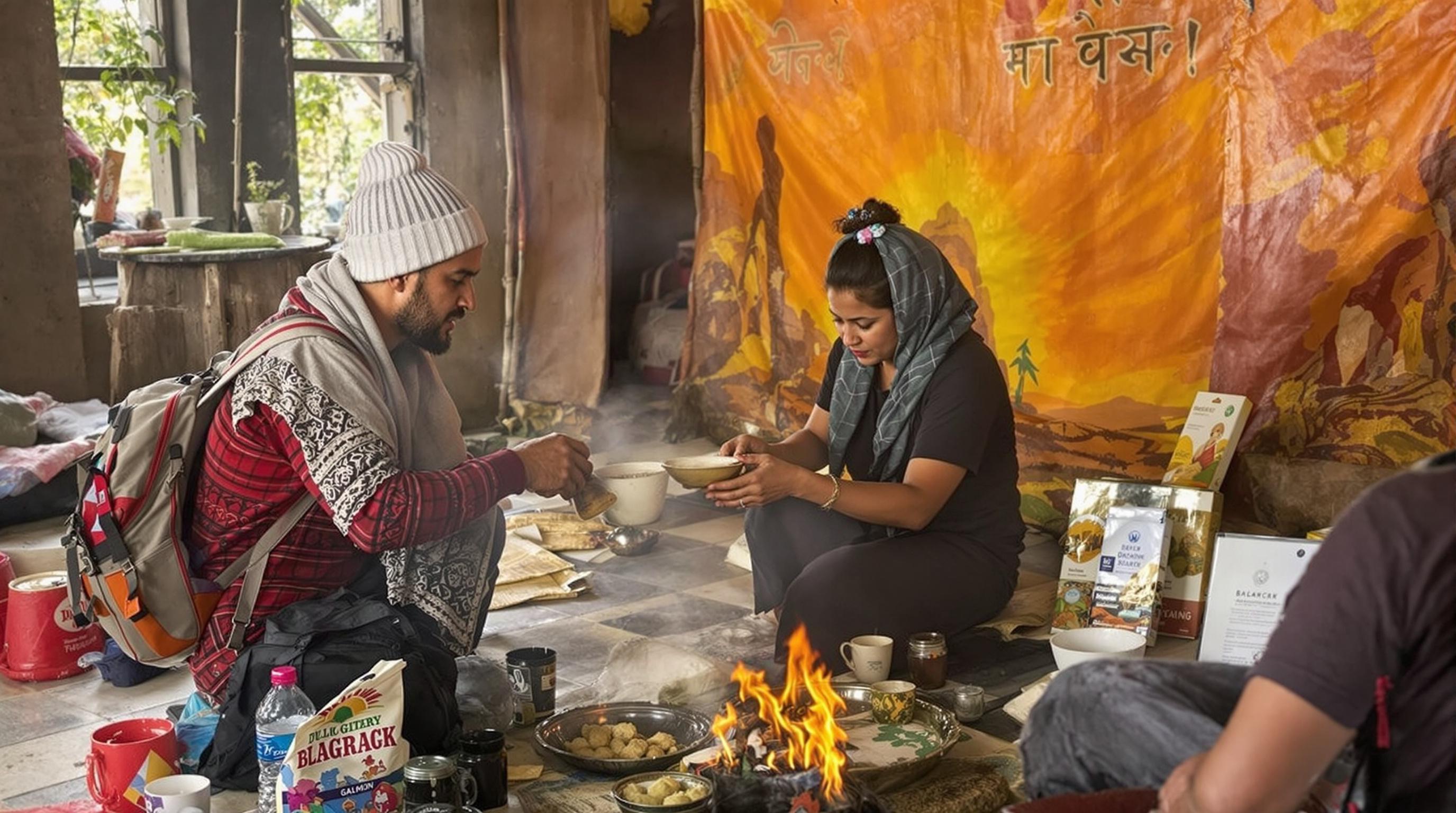
8 Hidden Backpacking Rituals Around the Globe: Embracing Local Customs to Enrich Your Travels and Connect Deeply with Cultures
8 Hidden Backpacking Rituals Around the Globe: Embracing Local Customs to Enrich Your Travels and Connect Deeply with Cultures
8 Hidden Backpacking Rituals Around the Globe
Traveling is not just about the places you visit; it's about the connections and experiences that enrich your journey. By embracing local customs and rituals, you can cultivate deeper relationships and gain unique insights into the culture you are immersed in. Here are eight hidden backpacking rituals that can add depth to your travels, transforming ordinary visits into extraordinary adventures.
This exploration invites you to step beyond traditional sightseeing and engage with the heart and soul of the communities you encounter. Each ritual reflects the essence of the culture from which it springs, often steeped in history and significance. As you travel, consider incorporating these practices into your experiences, allowing you to unlock the treasures of the world in a truly unforgettable way.
Ultimately, these rituals serve as pathways to understanding and gratitude, linking you to the local people and their stories. So, pack your bags and get ready to explore not just the landscapes but also the profound connections that make traveling a magical tapestry of experiences.
1. The Traditional Tea Ceremony in Japan
The Japanese tea ceremony, known as "chanoyu," is a ritualistic preparation and serving of matcha, or powdered green tea. Observers are invited to experience the beauty of simplicity and tranquility. Each gesture is intentional, symbolizing respect for nature and the people present. When backpacking in Japan, participating in a tea ceremony offers a glimpse into a world built on mindfulness.
Amidst the serene gardens of Kyoto, you can partake in this beautiful ritual, where tea is not merely a beverage but an art form. As you observe the meticulous movements of the host and savor the earthy flavor of matcha, you'll find that each cup of tea is a moment of connection and respect. It's an experience tinged with harmony and a call to embrace the present.
By engaging in this ritual, you can learn about the Japanese concept of "wabi-sabi," which focuses on finding beauty in imperfection. It teaches travelers to slow down and appreciate life's fleeting moments, a lesson that resonates long after the last sip.
2. The Sadhana in India
Among the many spiritual practices in India, Sadhana, a daily spiritual discipline, encompasses an individual's personal journey towards self-improvement and enlightenment. It involves meditation, yoga, and mindfulness, often conducted at dawn as the world awakens. Engaging in Sadhana while backpacking in India allows travelers to immerse themselves in the country's deep spiritual heritage.
In cities like Varanasi or Rishikesh, you may find local guides who can introduce you to Sadhana practices that have been preserved for generations. Joining a morning session along the banks of the sacred Ganges can be a transformative experience, as you breathe in the smell of incense and the sounds of chanting fill the air. This ritual not only connects you to the people around you but also to the profound spiritual essence of the land.
By diving into Sadhana, you become part of a much larger narrative that spans centuries, understanding the rhythms of a culture that cherishes introspection and divine connection. As you engage in these practices, you may find that travel becomes a means of personal growth and deeper understanding.
3. The Ritual of Breaking Bread in the Middle East
In Middle Eastern cultures, the act of sharing food is deeply significant. The ritual of breaking bread together highlights hospitality, community, and connection. When backpacking through countries like Lebanon or Turkey, accept invitations to join locals for a meal; these communal gatherings often provide a gateway to rich cultural exchange.
From the fragrant spices of a traditional kebab to the sweetness of baklava, every dish tells a story. As you share a meal with newfound friends, the culinary experience is enhanced by laughter and shared experiences. Observing traditional customs, such as serving coffee after the meal, can deepen your appreciation for the hospitality offered by your hosts.
This ritual of sharing not only fills your belly but also warms your heart, as it builds bonds across language barriers. Each meal becomes a celebration of life, a testament to the connection that can only be forged through shared experiences and open hearts.
4. The Inti Raymi Festival in Peru
As the sun rises over the breathtaking ruins of Sacsayhuamán in Cusco, travelers gather to witness the Inti Raymi Festival, a ritual dedicated to the Sun God. This ancient Incan tradition takes place every June, celebrating the winter solstice and the beginning of the new agricultural year. Participating in this vibrant festival allows backpackers to connect deeply with the Andean culture and its reverence for nature.
During the festival, you’re surrounded by lively parades of locals dressed in traditional clothing, colorful music, and age-old dances that echo the whispers of time. The performing artists invite you to experience millennia of history that resonates not only in the songs but also in their hearts. As the stunning ceremony unfolds, you’ll find yourself transported to a time when the Incan civilization was at its peak.
Joining in the celebrations, which culminate in offerings to Pachamama (Mother Earth), enriches your spirit and offers a sense of gratitude for the land and its people. The Inti Raymi Festival reminds you that travel is not merely about seeing the world's sights but also about understanding and honoring the cultures that call those places home.
5. The Mañana Concept in Spain
In Spain, particularly within Andalusia, the mañana mentality offers travelers a refreshing perspective on time, highlighted by the relaxed approach to daily life. Embracing this concept encourages backpackers to slow down, savor moments, and appreciate spontaneity. It stands as a reminder that not all cultures prioritize punctuality in the same way.
When wandering through the charming streets of Seville or Granada, allow yourself to step into the easygoing rhythm of local life. You might find yourself sipping coffee for hours while engaging in thought-provoking conversation with locals. Instead of rushing through your itinerary, experience the pleasure of lingering over tapas and enjoying sunsets that melt the sky into a gradient of oranges and pinks.
The mañana ethos challenges the often time-driven culture of travel, inviting you to prioritize experiences over schedules. Through this lens, you learn to relish the moments that breathe life into the mundane, revealing the magic in the everyday.
6. The Blessing of the Rain in Africa
African cultures often celebrate life-sustaining rain through rituals, depicting the deep connection between people, land, and nature. When backpacking in regions such as East Africa during the rainy season, you may witness traditional practices such as songs, dances, and ceremonies performed by communities to invoke rainfall and express gratitude for its return.
These rituals embody the essence of unity, as communities gather to perform sacred dances that honor deities and the earth. Travelers participating in or observing these ceremonies will discover the significance of water in sustaining not only crops but also the very fabric of human existence.
Engaging with these rituals fosters a sense of ecological awareness, highlighting the importance of conservation and respect for nature. As you witness the communal joy and relief during a rain dance, you'll understand that such customs are poignant reminders of humanity's reliance on the elements, connecting you with the universal rhythms of life.
7. The Festival of Colors in India
This ancient festival, known as Holi, celebrates the arrival of spring with a vibrant explosion of colors. In March, cities across India come alive as people gather to throw colored powders and water at each other, symbolizing love, prosperity, and the triumph of good over evil. Participating in Holi offers a wonderful way to immerse yourself in the rich tapestry of Indian culture.
Backpackers are welcomed to join in the festivities, embracing the chaos of colors, laughter, and music while forming connections with local participants. Each splash of color becomes a declaration of unity, breaking down barriers, transcending differences, and fostering friendships that last a lifetime.
As you dance in the streets, enveloped in a kaleidoscope of hues, you not only celebrate the joy of life but also come to understand the significance of community and forgiveness in Indian society. Holi is a powerful reminder of the beauty of diversity and the simple pleasure of togetherness.
8. The Balinese Offerings in Indonesia
In Bali, the daily ritual of making "canang sari" offerings is an integral part of Balinese culture, combining art with devotion. Travelers can witness locals crafting intricate woven baskets filled with flowers, fruits, and incense, presented at temples, homes, and even along roadsides. Engaging in this ritual allows you to appreciate the spiritual connection between the people and their vibrant surroundings.
As you observe or participate in this practice, you’ll be enveloped by the fragrant aromas that waft through the air, intermingling with the sounds of traditional gamelan music. The offerings symbolize gratitude to the gods and acknowledge the balance of life, teaching travelers the importance of mindfulness and reverence for the world around them.
By embracing this daily ritual, you not only forge a connection with the local people but also cultivate appreciation for the balance between the material and spiritual realms that defines Balinese life. This experience transforms your journey into a soulful exploration of culture and spirituality, highlighting the magic found in everyday practices.
Read More