Related Articles
- Culinary Cartography: The Unexpected Foods Shaping Local Identity in Urban Landscapes
- Flavors of the Forgotten: Rediscovering Culinary Traditions in the Shadows of Modern Food Trends
- Palate Pilgrimage: The Unlikely Fusion of Ancient Rituals and Modern Local Fare
- Ecosystem Engineers: Celebrating the Role of Nature-Based Solutions in Transforming Eco-Travel Experiences
- Ghost Towns and Green Trails: Unearthing Sustainable Journeys Through Forgotten Landscapes
- Hidden Footprints: Decoding the Carbon Footprint of Digital Nomadism in Edging Towards Sustainable Getaways
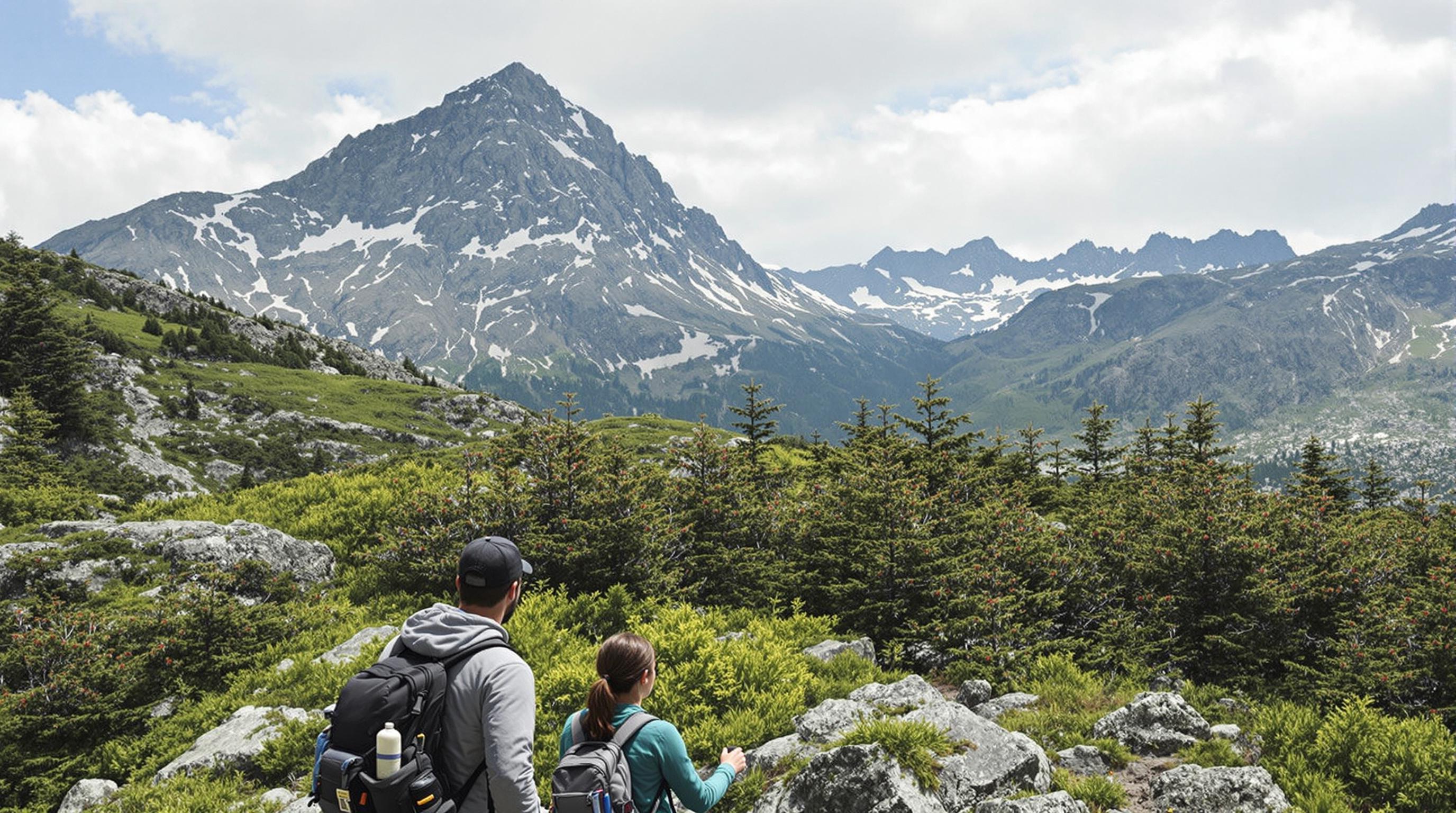
5 Essential Backpacking Survival Strategies: Mastering Wilderness Skills for Unpredictable Conditions and Ensuring Your Safety
5 Essential Backpacking Survival Strategies: Mastering Wilderness Skills for Unpredictable Conditions and Ensuring Your Safety
5 Essential Backpacking Survival Strategies: Mastering Wilderness Skills for Unpredictable Conditions and Ensuring Your Safety
1. Preparation and Planning
Before embarking on a backpacking adventure, thorough preparation is critical. This includes researching the area, understanding the terrain, and checking weather forecasts. Knowledge of local wildlife and potential hazards can also significantly contribute to your safety.
In addition to environmental factors, creating a detailed itinerary is essential. Share your plans with someone you trust, including your expected return date. This ensures that rescue efforts can be initiated promptly if you do not return as expected.
Lastly, packing the right gear is a fundamental aspect of preparation. Ensure you have the ten essentials: navigation tools, water purification systems, fire starters, first aid kits, and shelter options. These items are non-negotiable for safety and comfort in the wilderness.
2. Building Shelter
Creating a shelter can make a significant difference in your survival chances, particularly in inclement weather. Understanding how to erect a temporary shelter using natural materials or a tent can protect you from the elements and maintain body heat.
When selecting a site for your shelter, consider factors such as wind direction, proximity to water, and potential hazards like falling branches. Aim for dry ground and, if possible, position your shelter to shield you from prevailing winds.
Your skills in crafting a shelter can also enhance your overall experience by providing peace of mind. With a safe haven established, you can focus on navigation, foraging, or simply enjoying your adventure.
3. Starting a Fire
Fire is not only a source of warmth but also a means for cooking food and signaling for help. Mastering the techniques of starting a fire with various methods, such as friction or spark, is essential for any backpacker. You should practice these skills before heading out into the wild.
Gather dry kindling, tinder, and fuelwood in advance to facilitate the fire-starting process. The “teepee” or “log cabin” arrangements are effective structures for allowing airflow, which is crucial for sustaining a fire.
Always adhere to local regulations regarding fire use and extinguish your campfire completely when you’re finished. Fire safety is paramount, and understanding how to control flames can prevent wildfires and protect surrounding ecosystems.
4. Water Purification
Freshwater is vital for survival, making the ability to locate and purify water paramount. Identify natural water sources like rivers, streams, or lakes during your travels. However, always assume that the water is unsafe for drinking without proper treatment.
There are various methods to purify water, including boiling, filtration, and chemical treatments. Boiling water for at least one minute (or three minutes at higher elevations) effectively kills pathogens. Filters and chemicals, such as iodine or chlorine, offer portable options for treating water on the go.
Developing the habit of hydration and understanding your daily water needs can prevent dehydration during strenuous activities. Moreover, familiarity with finding and purifying water sources increases your confidence in the wilderness, allowing you to focus on the adventure.
5. Navigation Skills
In unpredictable conditions, having strong navigation skills is essential. Familiarize yourself with the use of maps, compasses, and GPS devices before hitting the trail. Being able to read terrain and understand topography will significantly enhance your orientation abilities.
Practice using a compass in conjunction with a map to create a reliable navigation strategy. Regularly check your bearings and adjust your path as needed. Ensure that your chosen route is appropriate for your skill level and group size, to manage risks effectively.
Remember, technology can fail; therefore, developing a holistic approach to navigation incorporating both digital and traditional skills is prudent. Confidence in your navigation abilities ensures safer experiences, allowing you to fully immerse yourself in the natural environment.
6. Wildlife Awareness
While the wilderness can be a beautiful retreat, it is also home to various wildlife that can pose risks. Understand the animals you may encounter, their behavior, and how to react in potential encounters. Knowledge about local fauna can help you avoid dangerous situations.
Certain wildlife, like bears and snakes, require specific avoidance techniques. For instance, when encountering a bear, it is advised to back away slowly and avoid sudden movements. Carry bear spray if you're in bear country, and store food securely to prevent attracting unwanted guests.
Cultivating an awareness of wildlife not only enhances your safety but also enriches your experience. Observing animals in their natural habitat can be awe-inspiring and underscores the importance of conservation efforts.
7. First Aid Knowledge
Accidents can happen, even in the most idyllic settings, making first aid knowledge indispensable. Understanding basic first aid principles can address minor injuries and stabilize more significant ones until you can access professional medical help.
Begin by packing a well-stocked first aid kit, complete with bandages, antiseptics, and medications tailored to your needs. Familiarize yourself with the contents of your kit and practice using the items effectively.
Additionally, consider taking a first aid or wilderness medicine course before your trip. Such training can empower you with the confidence to handle injuries efficiently, making you a valuable companion in the wilderness.
8. Food Sources in the Wilderness
Foraging for food can enhance your survival skills and enrich the backpacking experience. Understanding edible plants, fruits, and nuts can supplement your supplies, but it requires careful consideration and knowledge to avoid toxic species.
Before heading out, study local flora and familiarize yourself with reliable identification techniques. Always consult reputable field guides to ensure you can distinguish between edible and poisonous plants.
Even when foraging, it is advisable to carry sufficient ready-to-eat food. This not only provides necessary nutrients but also serves as a buffer in case your foraging efforts fall short. Balancing foraged food with stored supplies maximizes your self-sufficiency.
9. Emergency Communication Devices
In today’s technology-driven world, incorporating communication devices into your backpacking gear can enhance your safety. Satellite phones or Personal Locator Beacons (PLBs) provide a reliable means to call for help when you’re out of cellular range.
Learning to use these devices effectively can facilitate seamless communication with emergency services. Understand the protocols for emergency messaging and ensure your devices are charged and operational before heading into the wilderness.
While embracing modern technology, it is essential to maintain wilderness skills that do not rely on electronics. Always have alternative emergency plans in place, as devices can fail, and you should be prepared to navigate challenges independently.
10. Staying Calm and Assessing Situations
In emergencies, your mental state can significantly impact your ability to respond effectively. Cultivating a mindset of calmness and rationality can enhance your decision-making process and improve your survival outcomes.
Regularly assessing your surroundings and evaluating your situation is key. Identifying potential hazards, available resources, and potential escape routes can empower you to make informed choices, especially in unpredictable environments.
Practice mindfulness techniques to help manage stress during challenging moments. Remaining grounded and focused can lead to better judgments and ensure you navigate through the wilderness with poise and confidence.
By mastering these essential backpacking survival strategies, you will not only enhance your skills but cultivate a deeper appreciation for the beauty and challenges of the great outdoors. Readiness, knowledge, and respect for nature will transform your backpacking trips into memorable adventures that honor the spirit of exploration.
Read More