
Related Articles
- Culinary Cartography: The Unexpected Foods Shaping Local Identity in Urban Landscapes
- Flavors of the Forgotten: Rediscovering Culinary Traditions in the Shadows of Modern Food Trends
- Palate Pilgrimage: The Unlikely Fusion of Ancient Rituals and Modern Local Fare
- Ecosystem Engineers: Celebrating the Role of Nature-Based Solutions in Transforming Eco-Travel Experiences
- Ghost Towns and Green Trails: Unearthing Sustainable Journeys Through Forgotten Landscapes
- Hidden Footprints: Decoding the Carbon Footprint of Digital Nomadism in Edging Towards Sustainable Getaways
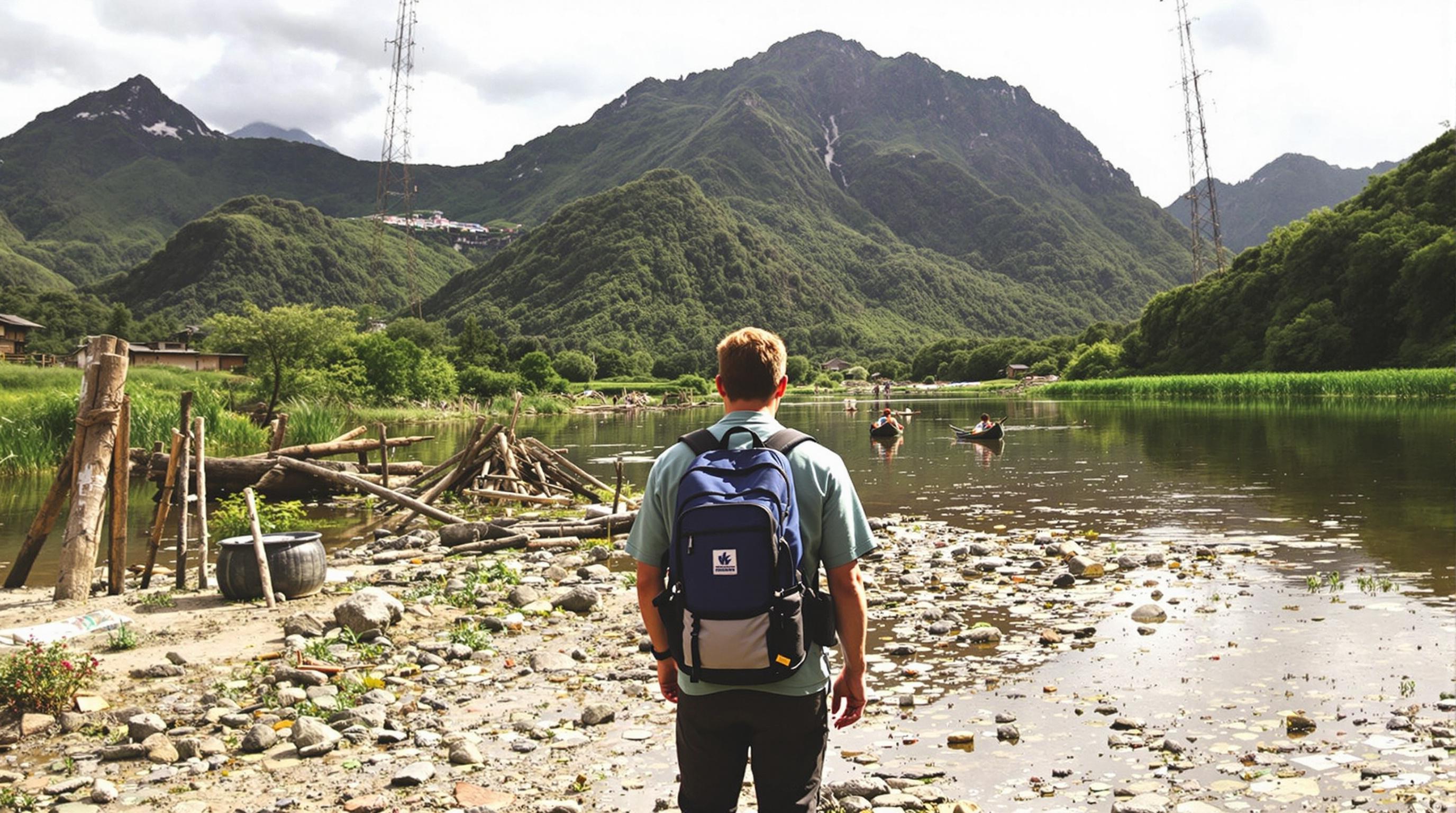
10 Uncharted Travel Techniques: Harnessing Local Wisdom and Hidden Resources for Transformative Adventures
10 Uncharted Travel Techniques: Harnessing Local Wisdom and Hidden Resources for Transformative Adventures
10 Uncharted Travel Techniques: Harnessing Local Wisdom and Hidden Resources for Transformative Adventures
1. Connect with Local Herbalists
Every culture has its unique relationship with nature, particularly in its use of plants for health and wellness. Engaging with local herbalists can provide invaluable insights into traditional medicinal practices and natural remedies. These knowledgeable locals can share healing herbs, remedies, and the significance of these plants within their culture.
Moreover, participating in herb walks and workshops can deepen your understanding of the landscape and its offerings. As you learn about these plants, you also connect more intimately with the environment and the people who inhabit it. This experience can shift your perspective on wellness and challenge conventional Western medicine.
Research conducted by the American Botanical Council highlights the importance of preserving local herbal knowledge, as it can have transformative effects on both personal and community health when integrated into daily practices.
2. Attend Local Festivals
Festivals often epitomize the spirit of a place, showcasing its culture, food, music, and art. Attending local festivals can present opportunities to engage with communities in a way that standard tourist activities often miss. By immersing yourself in these vibrant celebrations, you gain authentic experiences that offer a deeper understanding of local life.
Furthermore, festivals often embody age-old traditions intertwined with the locals’ identities. These celebrations can serve as learning platforms, offering workshops, performances, and culinary experiences that are rooted in local customs. Such encounters foster an appreciation for diversity and cultivate connections with the community.
The National Endowment for the Arts notes the significance of cultural festivals in preserving heritage and promoting community engagement, making this a transformative aspect of travel.
3. Seek Community-Based Tourism
Community-based tourism is an approach that emphasizes direct contact between travelers and local communities. By seeking out community-led initiatives, you not only participate in unique experiences but also contribute positively to the local economy. This type of tourism is grounded in respect and collaboration with residents.
Through homestays or guided tours led by local hosts, you gain insights that typical tourist activities cannot provide. Engaging from a local perspective fosters social ties and encourages sustainable practices that honor the environment and the community's way of life. The impact of your visit could directly support local projects dedicated to preservation and social welfare.
The World Tourism Organization recognizes community-based tourism as a tool that enhances mutual understanding and promotes local culture while offering travelers enriching experiences that lead to personal growth.
4. Practice Cultural Exchange
Travel should be a two-way street. Engaging in cultural exchange allows for mutual learning and understanding. This could involve sharing your home traditions, cooking a meal, or participating in cultural practices that interest you. Such interactions can bridge gaps and foster meaningful connections.
Creating spaces for dialogue not only enriches your travel experience but also allows you to leave behind a piece of your own culture. Participating in initiatives that promote cultural exchange strengthens relationships and helps in dispelling stereotypes associated with different cultures.
A study focuses on the positive effects of intercultural competency, emphasizing how cultural exchanges can lead to transformative travel experiences that foster empathy and understanding across diverse communities.
5. Use Local Transport
Traveling by local transport can radically change your understanding of a place. Instead of hopping on tourist buses, consider navigating the area by using local trains, buses, or bicycles. This technique not only offers an authentic taste of daily life but also encourages interactions with the locals.
Moreover, utilizing local transport often reveals hidden gems that aren’t mentioned in travel itineraries. You'll find charming cafes, unique shops, and scenic routes that you might miss when you travel solely in tourist bubbles. As you navigate the area, you can cultivate a sense of independence and adventure.
The Institute for Transportation and Development Policy notes that embracing local transport contributes to sustainable travel, minimizing environmental impact while enriching the travel experience.
6. Participate in Voluntourism
Voluntourism combines travel with volunteering, allowing travelers to contribute to social, economic, or environmental projects while exploring new destinations. It’s a chance to give back to the communities you engage with while simultaneously gaining a profound understanding of their challenges and successes.
By participating, you can become a part of the community, working alongside residents in meaningful projects. This hands-on experience can foster a sense of purpose and fulfillment that transcends typical travel experiences. The relationships built and knowledge gained often lead to personal transformation.
Research from "The Journal of Sustainable Tourism" indicates that voluntourism can have significant benefits for both travelers and host communities, highlighting the importance of ethical engagement in tourism practices.
7. Learn Traditional Crafts
Enrich your travels by learning traditional crafts from local artisans. Whether it's pottery, weaving, or painting, engaging in these artistic practices connects you with the locality’s heritage and skills that have often been passed down through generations. This hands-on experience not only cultivates appreciation for art but also the stories behind each craft.
Participating in craft workshops can lead to deeper relationships with artisans. As you learn techniques, you gain insights into their lives, traditions, and cultural values, expanding your worldview. Additionally, supporting local artisans directly contributes to the preservation of these crafts.
The “Craft Revival” initiative emphasizes the role of crafts in cultural identity, making it a vital aspect of community resilience and personal enrichment for travelers.
8. Rely on Local Guides
While guidebooks are helpful, relying on local guides offers an unparalleled depth of knowledge and insight. Local guides are often passionate about their communities and can reveal lesser-known stories, landmarks, and attractions that paint a fuller picture of the region. Their expertise often transcends typical attractions and leads to a memorable, personalized experience.
Moreover, choices in local guides can enrich your understanding of cultural nuances and encourage ethical travel practices. Engaging with locals promotes sustainable tourism by ensuring that a portion of your funds remains in the community you visit.
The International Guide Alliance highlights that trained local guides increase traveler satisfaction and promote responsible stewardship of cultural resources.
9. Embrace Mindful Eating
Food is an essential aspect of culture and serves as a gateway into the heart of a community. Embracing local cuisine mindfully not only supports local economies but also provides insight into the region’s agricultural practices and history. As you savor meals, focus on the flavors, stories, and traditions behind the dishes.
Participating in cooking classes or food tours can offer immersive experiences that showcase the significance of local ingredients and methods. Moreover, mindful eating encourages a connection to your food, fostering gratitude for the culture it represents and enhancing your overall travel experience.
The Journal of Culinary Sciences showcases research on the role of food in cultural identity, emphasizing how mindful eating strengthens the ties between travelers and the host community.
10. Document Your Journey
Documenting your travels through journaling, photography, or blogging can deepen your experience, helping you to reflect on your learning and growth. Capturing moments and insights can enhance mindfulness and appreciation for your surroundings. This practice can also foster a sense of responsibility to share your experiences and insights with others.
Over time, these documented experiences can reveal patterns in your personal development and transform the way you view the world. By sharing these narratives, you contribute to a broader conversation surrounding travel, personal growth, and community engagement.
According to “Travel and Leisure,” documenting experiences creates lasting memories and binds the traveler to their journeys, making it a vital aspect of transformative adventures.
Read More