
Related Articles
- Culinary Cartography: The Unexpected Foods Shaping Local Identity in Urban Landscapes
- Flavors of the Forgotten: Rediscovering Culinary Traditions in the Shadows of Modern Food Trends
- Palate Pilgrimage: The Unlikely Fusion of Ancient Rituals and Modern Local Fare
- Ecosystem Engineers: Celebrating the Role of Nature-Based Solutions in Transforming Eco-Travel Experiences
- Ghost Towns and Green Trails: Unearthing Sustainable Journeys Through Forgotten Landscapes
- Hidden Footprints: Decoding the Carbon Footprint of Digital Nomadism in Edging Towards Sustainable Getaways
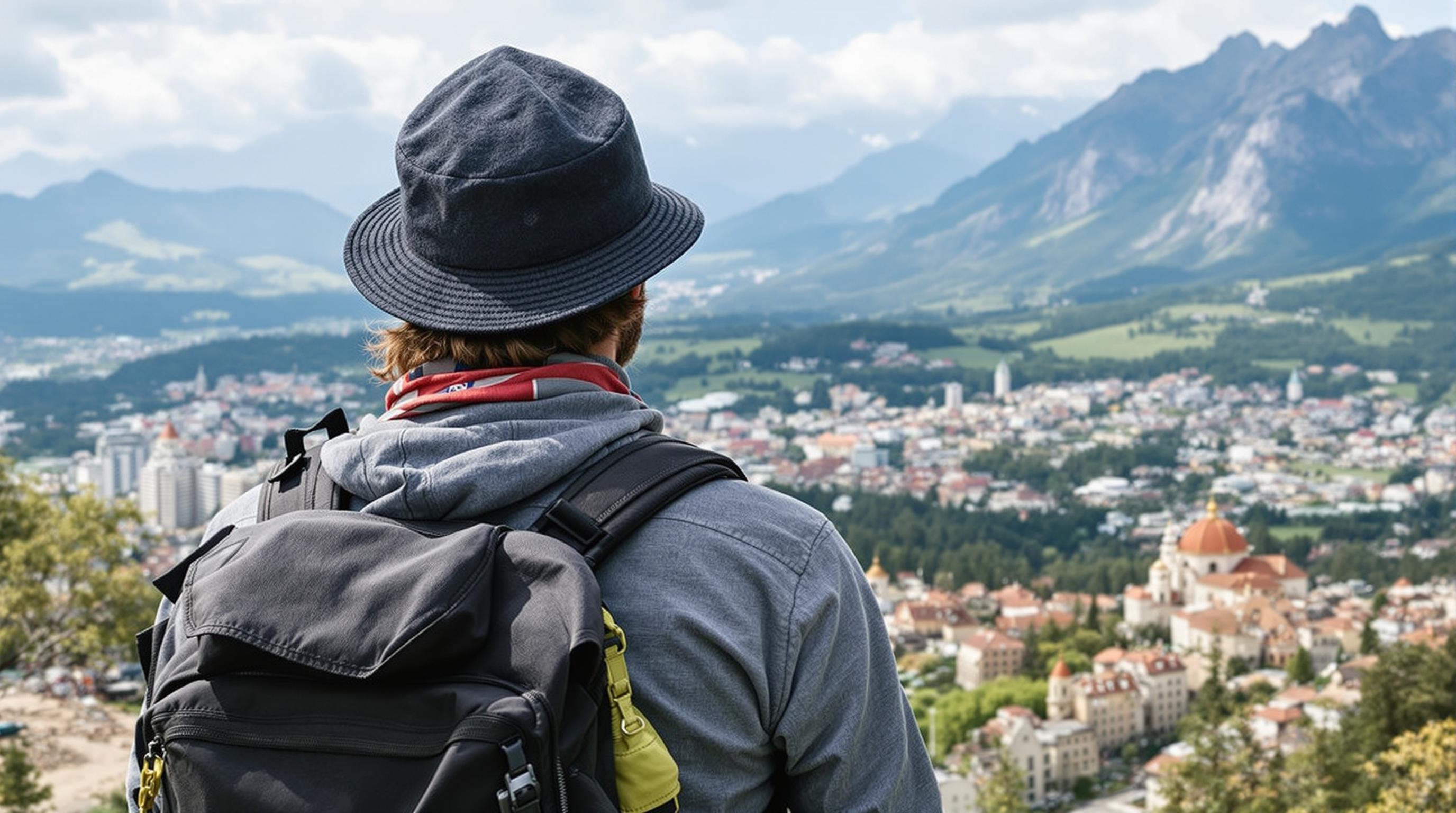
10 Overlooked Travel Safety Tips That Could Save Your Life on Your Next Adventure
10 Overlooked Travel Safety Tips That Could Save Your Life on Your Next Adventure
10 Overlooked Travel Safety Tips That Could Save Your Life on Your Next Adventure
1. Research Local Health Care Facilities
Before embarking on any journey, it is crucial to familiarize yourself with the local health care facilities at your destination. Knowing where the nearest hospital or clinic is located can make a significant difference in an emergency. Websites like the World Health Organization provide extensive information on medical services available in different countries.
Beyond just location, understanding the quality of care and emergency procedures in the area can give you peace of mind. Research any specific health concerns tied to the region, such as diseases or prevalent conditions that might require hospitalization.
Additionally, ensure you have proper health insurance that covers services abroad. The International Association for Medical Assistance to Travelers (IAMAT) provides resources to help travelers navigate insurance needs.
2. Share Your Itinerary
In this digital age, sharing your travel itinerary with someone trustworthy can be a simple yet effective safety precaution. Let family or friends know your plans, including details about your accommodations and daily activities. This creates a safety net in case something goes wrong.
Utilize mobile apps that allow location sharing with selected contacts. However, please remember to keep your smartphone secure, as it can be a target for thieves. Always use strong passwords and avoid sharing sensitive information over public Wi-Fi.
Regular check-ins with your loved ones can further enhance safety, making sure that someone is aware of your whereabouts during your travel adventures.
3. Be Wary of Public Wi-Fi
While convenient, public Wi-Fi networks can be a significant risk for travelers. Cybercriminals often use these unsecured networks to steal personal information, so it is vital to approach them with caution. Avoid accessing sensitive data, such as bank accounts or credit card information, while connected to public networks.
Consider using a Virtual Private Network (VPN) to encrypt your online activities while using public Wi-Fi. A reliable VPN can add a layer of security, protecting your personal information from prying eyes.
Finally, look for networks that require a password or are provided by reputable institutions, as these tend to be safer than open networks at cafes or airports.
4. Keep Copies of Important Documents
In the event of loss or theft, having copies of important documents can be invaluable. This should include your passport, travel insurance, and identification. Make both physical copies and digital versions that you can store safely in a cloud service.
Some travelers choose to carry these documents with them, while others may prefer leaving them securely locked in their hotel rooms. Whatever your approach, guarantee that the original documents are always accessible yet protected from potential loss.
Additionally, it can be useful to jot down phone numbers for embassies and local authorities, ensuring you have access to crucial contacts should any issues arise.
5. Trust Your Instincts
Travel situations are often unpredictable, and one of the best tools at your disposal is your intuition. If something doesn’t feel right, whether it’s an unfamiliar alley or a seemingly overly friendly stranger, trust your gut feeling; it could be a lifesaver.
Practicing situational awareness is essential. Be attuned to your environment and the people around you. Pay attention to body language and any signs that may indicate discomfort or danger.
Many seasoned travelers emphasize the importance of confidence in decision-making. If a situation feels off, don’t hesitate to remove yourself from it. Your safety should always take precedence.
6. Keep Contact Information Handy
When traveling, it's wise to have essential contacts at your fingertips, such as local emergency services and your country's embassy. Writing these numbers down and keeping them in your wallet or phone can provide critical guidance if you face an emergency.
It's not just about emergency numbers; consider also local contacts, like friends or acquaintances. Many destinations have specific numbers for tourists ring-fenced, designed to assist travelers in emergencies—having these handy can reduce stress if trouble arises.
Additionally, familiarize yourself with the local customs and laws. Knowing these can prevent misunderstandings and help ensure that your trip is smooth and uneventful.
7. Avoid Flashing Valuables
Displaying valuable items, such as expensive jewelry or the latest tech gadgets, can attract unwanted attention from thieves. An essential rule of thumb is to blend in with the local surroundings and dress modestly to both respect cultural sensitivities and avoid becoming a target.
Investing in travel accessories like anti-theft bags or money belts can help keep your valuables secure. These items are designed to deter pickpockets while allowing you to travel with peace of mind.
Be mindful of where you store your valuables, and avoid keeping everything in one place. Distributing money and cards across various compartments can provide an extra layer of security in case of theft.
8. Use Reliable Transportation
Research and select reputable transportation options to navigate your destination. While it may be tempting to ride with the first driver that approaches you, understanding your options can prevent potential dangers.
Utilize rideshare apps, as they often track your trip and provide safety features that old-school taxis might not. If you opt for public transportation, familiarize yourself with the route and schedule in advance to avoid confusion.
Before stepping into any vehicle, no matter how convenient it appears, ensure that it has proper identification and is registered to prevent falling victim to scams.
9. Stay Aware of Environmental Hazards
Every travel destination comes with its unique set of environmental hazards, from natural disasters to wildlife dangers. Research the potential risks particular to your destination, whether they be earthquakes, hurricanes, or dangerous flora and fauna.
Additionally, be wary of local wildlife, especially in natural parks or rural areas, where animal encounters can lead to dangerous situations. Understanding local wildlife behaviors and respecting their habitats is crucial for both safety and conservation.
Moreover, being prepared for weather conditions can make a significant difference; invest in weather-appropriate gear to stay dry, warm, or cool as needed, thereby avoiding risks associated with extreme weather.
10. Stay Informed About Local News
Keeping abreast of local news can be vital to your safety while traveling. Emerging situations, protests, or natural weather events could put you at risk. Utilize news apps or follow local news outlets via social media to stay updated.
Consider downloading travel alert apps offered by government agencies, that notify you of any potential emergencies or changes in safety statuses in your destination.
Finally, consider connecting with local expat communities or online travel forums. They can offer real-time advice and insights that sightseeing guides might overlook, providing a richer and safer contextual understanding of your visited locales.
Read More