
Related Articles
- Culinary Cartography: The Unexpected Foods Shaping Local Identity in Urban Landscapes
- Flavors of the Forgotten: Rediscovering Culinary Traditions in the Shadows of Modern Food Trends
- Palate Pilgrimage: The Unlikely Fusion of Ancient Rituals and Modern Local Fare
- Ecosystem Engineers: Celebrating the Role of Nature-Based Solutions in Transforming Eco-Travel Experiences
- Ghost Towns and Green Trails: Unearthing Sustainable Journeys Through Forgotten Landscapes
- Hidden Footprints: Decoding the Carbon Footprint of Digital Nomadism in Edging Towards Sustainable Getaways
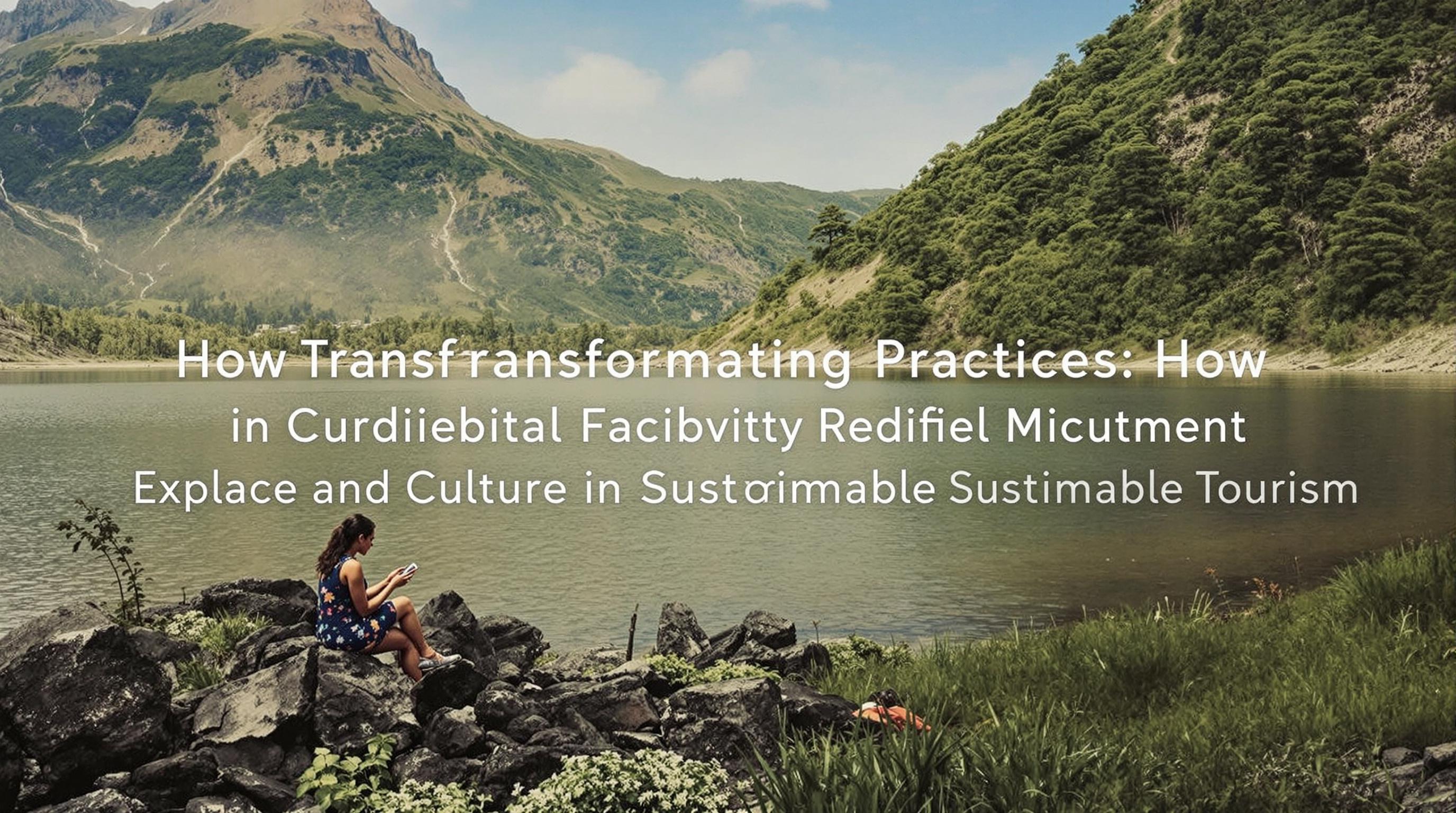
10 Transformative Practices: How Mindful Travel Can Redefine Your Impact on Planet and Culture in Sustainable Tourism
10 Transformative Practices: How Mindful Travel Can Redefine Your Impact on Planet and Culture in Sustainable Tourism
10 Transformative Practices: How Mindful Travel Can Redefine Your Impact on Planet and Culture in Sustainable Tourism
1. Understand Local Cultures
Mindful travel begins with an appreciation of local cultures. Engaging with the histories, traditions, and customs of a destination enriches travel experiences significantly. This understanding builds mutual respect between travelers and residents, fostering genuine connections rather than superficial interactions.
As travelers invest time in learning about local practices, they become more than mere visitors; they transform into informed advocates for the culture. This practice highlights the importance of representation and the power dynamics often at play in tourist-heavy locales.
By actively listening and participating in local customs, travelers can help preserve cultural heritage, promoting sustainability over exploitative tourism practices. This creates a harmonious symbiosis between visitors and hosts, ultimately benefiting both parties.
2. Choose Eco-Friendly Accommodations
Selecting eco-friendly accommodations plays a critical role in reducing a traveler's carbon footprint. Hotels and lodges that implement sustainable practices—like solar energy, water conservation, and community engagement—encourage mindful tourism and set industry examples.
Travelers can research accommodations that prioritize sustainability over luxury, allowing them to support businesses that align with their values. Platforms such as Ecotourism Australia and Green Key provide invaluable resources for finding such establishments.
By opting for eco-friendly choices, travelers send a clear message to the industry: sustainability matters. This demand influences larger chains to adopt better practices, leading to a collective benefit for the planet.
3. Reduce Single-Use Plastics
A significant contributor to environmental degradation is the rampant use of single-use plastics in tourism. Mindful travelers can combat this through conscious choices, such as carrying reusable bags, bottles, and utensils. These small changes can lead to substantial reductions in waste.
Moreover, when travelers decline items like straws or plastic bags, they encourage local businesses to explore more sustainable options. This collective effort promotes awareness within communities about the necessity of reducing plastic dependency.
Adopting practices that mitigate plastic waste cultivates a culture of sustainability among travelers and hosts alike, inspiring lasting change that extends beyond individual trips.
4. Support Local Economies
Mindful travel is also about economic contribution. Supporting local businesses—such as farmers, artisans, and tour operators—captures the essence of sustainable tourism. By choosing local over corporate during your travels, you stimulate the economy in a way that enriches the community.
Engaging with local markets, dining in family-run restaurants, and purchasing handmade goods ensures that tourist revenue circulates within the community, enhancing cultural heritage and economic prosperity. The emphasis on local spending fosters an authentic experience and nurtures relationships.
When travelers consciously support local economies, they become part of a larger social structure that honors collaboration over competition, significantly redefining their impact on the places they visit.
5. Engage in Volunteer Opportunities
Volunteering while traveling adds depth to the experience, allowing tourists to make tangible contributions to local communities. Whether helping in schools, conservation projects, or urban gardening, volunteering instills a sense of responsibility towards the host environment.
These experiences amplify awareness among travelers concerning the social issues and environmental challenges faced by local populations. Engaging directly nurtures empathy and understanding, essential components in fostering genuine connections.
Travelers often return home with newfound perspectives, prepared to advocate for sustainable practices and social change, making a ripple effect that expands their impact well beyond their journey.
6. Minimize Travel Footprint
Minimizing travel footprints involves consciously evaluating methods of transportation. Opting for trains, buses, or cycling instead of flying is an effective approach to lower carbon emissions while allowing richer engagement with landscapes and communities en route.
When itineraries include slower travel, tourists can absorb the nuances of environments and cultures more profoundly. This immersive experience often leads to unexpected discoveries and connections, underscoring the beauty of the journey over the destination.
By embracing slower travel, individuals advocate for sustainable transport options while counteracting the pressures of mass tourism. This approach encourages mindful planning and prompts deeper reflections on the travel experience.
7. Practice Conscious Photography
Photography can hold incredible power in capturing and sharing experiences; however, it necessitates mindfulness. Practicing conscious photography means respecting the subjects, especially in vulnerable communities. Always seeking permission and engaging subjects can enhance and deepen relationships.
This practice reassures communities that their stories are told with care and respect, avoiding the pitfalls of representation that can often sanitize or exploit. It defers to local narratives and honors the dignity of individuals.
Travelers who practice conscious photography not only enrich their own experience but also encourage a more responsible and respectful approach to documenting culture, fostering awareness around representation in travel narratives.
8. Connect with Nature
Exploring natural environments is a powerful reminder of interconnectedness with the planet. Mindful travelers seek out opportunities to connect with nature responsibly, advocating for conservation, while experiencing the beauty of the natural world.
Participating in guided eco-tours, wildlife sanctuaries, or volunteering for conservation efforts enhances awareness about ecological preservation. This immersion allows travelers to understand the importance of protecting natural resources for future generations.
By prioritizing nature-centered experiences, travelers contribute to the philosophy of environmental stewardship, cultivating a collective consciousness regarding safeguarding our planet’s diverse ecosystems.
9. Leave No Trace
The Leave No Trace principle embodies a commitment to preserving the integrity of natural spaces. Mindful travelers adopt practices that minimize their environmental impact—such as staying on marked trails, disposing of waste properly, and respecting wildlife.
By embracing Leave No Trace, travelers not only protect ecosystems but also inspire others to follow suit. This ripple effect fosters a culture of environmental responsibility, cultivating future generations of mindful travelers.
This practice ensures that the beauty of natural spaces continues to thrive, reinforcing the idea that tourism can coexist with preservation. It’s a powerful testament to the potential of collective responsibility in safeguarding our cherished landscapes.
10. Reflect on Experiences
Lastly, taking time to reflect on travel experiences embeds insights, fostering personal growth and awareness. Journaling, discussing, or sharing experiences amplifies the lessons learned and helps solidify commitment to sustainable practices.
Reflection encourages travelers to consider their roles in perpetuating systems of tourism that may harm cultures or environments. By analyzing choices and actions, individuals can guide each future journey towards mindfulness and responsibility.
In this way, reflection transforms travel into a catalyst for lifelong learning, shaping a deeper understanding of the world’s complexities. This evolution of consciousness enhances the impact travelers have on the planet and its diverse cultures.
Read More