Related Articles
- Culinary Cartography: The Unexpected Foods Shaping Local Identity in Urban Landscapes
- Flavors of the Forgotten: Rediscovering Culinary Traditions in the Shadows of Modern Food Trends
- Palate Pilgrimage: The Unlikely Fusion of Ancient Rituals and Modern Local Fare
- Ecosystem Engineers: Celebrating the Role of Nature-Based Solutions in Transforming Eco-Travel Experiences
- Ghost Towns and Green Trails: Unearthing Sustainable Journeys Through Forgotten Landscapes
- Hidden Footprints: Decoding the Carbon Footprint of Digital Nomadism in Edging Towards Sustainable Getaways
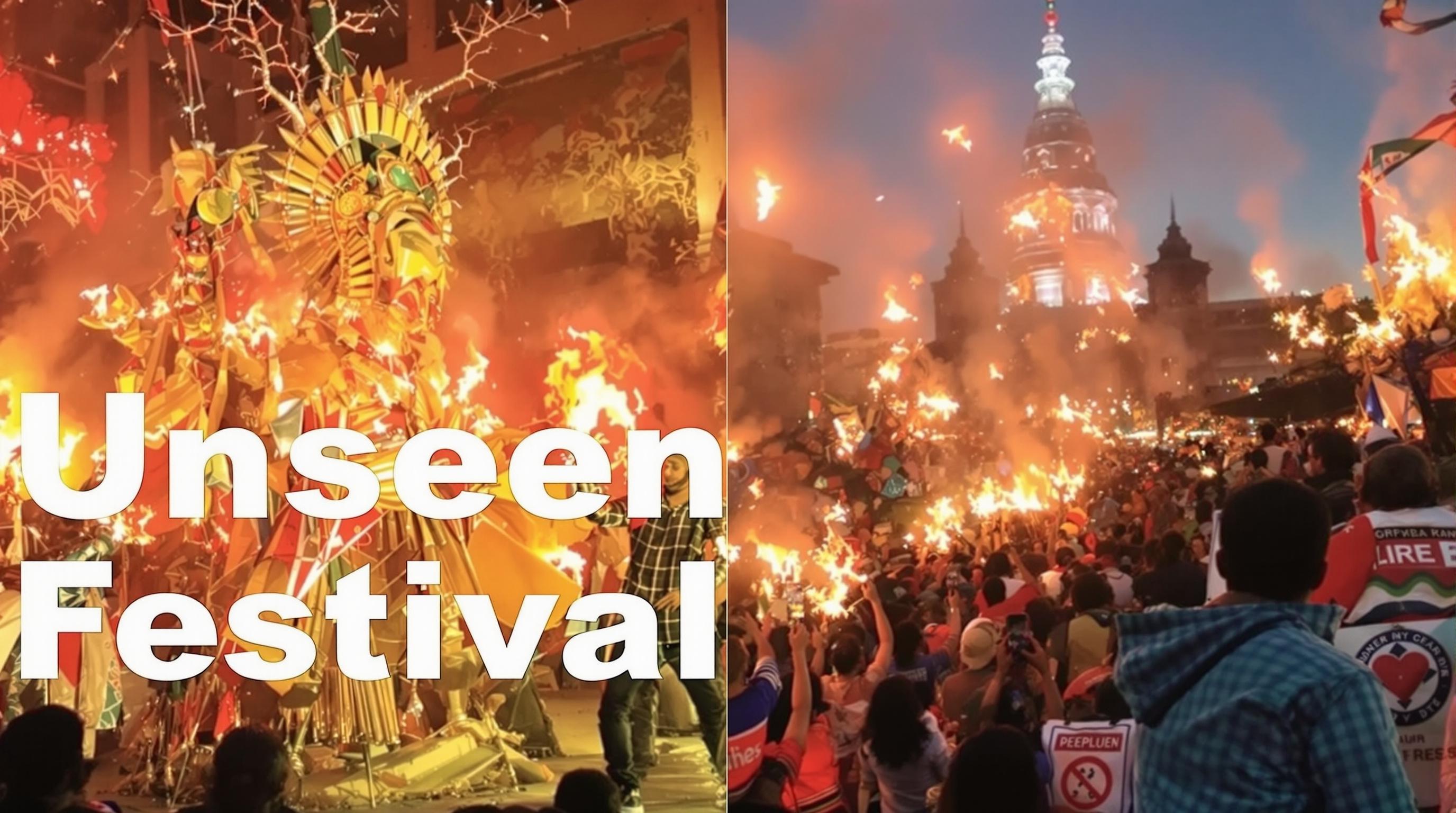
9 Unseen Festivals: Discovering the Rare Cultural Celebrations That Illuminate the Richness of Global Traditions
9 Unseen Festivals: Discovering the Rare Cultural Celebrations That Illuminate the Richness of Global Traditions
9 Unseen Festivals: Discovering the Rare Cultural Celebrations That Illuminate the Richness of Global Traditions
1. The Tunarama Festival, Australia
Each year, the small coastal town of Port Lincoln, Australia, celebrates its unique Tunarama Festival, a nod to the region's rich tuna fishing history. This festival, which typically occurs in January, features various events that showcase the community's love for seafood, especially its prized tuna catch. From tuna tossing competitions to street parades, the festival offers a glimpse into local culture, cuisine, and camaraderie.
One of the highlights is the iconic Tuna Toss, where participants hurl frozen tuna as far as they can. This quirky event draws crowds from all over, creating a festive atmosphere filled with laughter and friendly competition. In addition to fishing competitions, visitors can enjoy live music, food stalls, and art exhibitions that reflect the lives of the local residents.
The Tunarama Festival not only celebrates Port Lincoln’s seafood heritage but also contributes significantly to its economy. With tourism spiking during the event, it showcases the vibrant spirit of this Australian town and underscores the significance of local traditions.
2. Nauryz Meyrami, Central Asia
Nauryz Meyrami is a celebration of the spring equinox observed in several Central Asian countries, including Kazakhstan, Kyrgyzstan, and Uzbekistan. It symbolizes renewal and the coming of spring, marking the end of winter. Traditionally celebrated on March 21, the festival features family gatherings, communal meals, and various cultural performances that highlight the region’s rich heritage.
During Nauryz, families prepare special dishes, often incorporating traditional ingredients like sumac and lamb. It is a time for sharing food, stories, and reconnecting with loved ones. The festival also includes various activities such as horseback racing, tug-of-war, and traditional music performances, all aimed at fostering community spirit and cultural pride.
Governmental institutions also participate, promoting national unity and cultural heritage. Nauryz Meyrami is more than just a festival; it represents a cultural revival and offers insights into the historical and social values of the Central Asian people.
3. Harbin Ice and Snow Festival, China
The Harbin Ice and Snow Festival is a stunning celebration held in Harbin, China, attracting visitors with its colossal ice sculptures and breathtaking displays. Starting in early January and lasting until late February, the festival features ice-carving contests, snow sculpture exhibitions, and light shows that transform the city into a winter wonderland. This remarkable event has become one of the most anticipated winter festivals globally.
Typically, the festival’s centerpiece is the Ice Sculpture Art Expo, where artists from different countries showcase their talents. These massive sculptures, crafted from blocks of ice taken from the nearby Songhua River, can reach astonishing heights and are illuminated at night, creating a magical atmosphere. Activities such as ice skating, sledding, and even ice swimming are part of the festivities, providing fun for people of all ages.
The Harbin Ice and Snow Festival also promotes tourism in the region, showcasing unique local culture and paving the way for economic growth. It stands as a testament to human creativity and ingenuity in turning nature’s challenges into an extraordinary celebration.
4. Seollal, South Korea
Seollal is the Korean New Year celebration, marking the first day of the lunar calendar. This important festival, filled with traditions and customs, usually falls between late January and mid-February. Families gather to honor their ancestors through a ritual called Charye, showcasing their respect and appreciation for familial lineage. The event is often filled with joyful reunions, traditional meals, and cultural activities.
During Seollal, traditional foods such as Tteokguk (rice cake soup) are enjoyed to symbolize the gaining of a year in age and wisdom. Games like Yutnori, a traditional board game, are played, creating a festive atmosphere. Children receive New Year's money, or Seollal don, symbolizing good fortune for the year ahead.
The richness of Seollal lies in its focus on familial bonding and cultural education. It serves as a reminder of the importance of ancestry and the celebration of heritage, creating memories that strengthen family ties and cultural identity.
5. La Tomatina, Spain
La Tomatina, held annually in Buñol, Spain, is one of the world’s most peculiar and uproarious festivals, celebrated on the last Wednesday of August. Thousands of participants flock to the town to engage in a gigantic tomato fight, where they hurl ripe tomatoes at one another, creating a lively mess that captivates locals and tourists alike. This vibrant event has its roots in a celebratory local party that spiraled into organized chaos in the 1940s.
While the origins of La Tomatina are somewhat murky, what remains clear is the sheer joy it brings to participants. The festival kicks off with a "palo jabón," a greasy pole that competitors try to climb to retrieve a ham. Once attained, the tomato fight begins, turning the streets into a red-splattered scene of laughter and connection. It's a chance for people from all walks of life to leave behind their inhibitions and engage in pure, uninhibited fun.
While some may wonder about the sustainability aspect, the festival has paved the way for local tourism and has proven to be an excellent opportunity for the town of Buñol to showcase its culture. La Tomatina beautifully illustrates how a playful festival can foster unity and joy, regardless of background.
6. Fes Festival of World Sacred Music, Morocco
The Fes Festival of World Sacred Music is an enchanting cultural event held annually in Fes, Morocco. Founded in 1994, the festival has become a prominent gathering for artists and musicians of diverse backgrounds to celebrate spirituality through music. Taking place in June, the festival aims to promote dialogue, peace, and respect through the universal language of music.
The festival spans several days, featuring performances from artists across the globe, including traditional Moroccan music, Sufi chants, and international sacred music. The grand venues, such as the historic medina and palaces, provide a stunning backdrop, immersing participants in a historical ambiance that enhances the spiritual experience.
Beyond just music, the festival serves as a platform for cultural exchange, inviting artists, thinkers, and audiences to engage in discussions about spirituality, culture, and social consciousness. The Fes Festival showcases Morocco’s rich heritage while emphasizing the power of artistic expression to transcend borders.
7. Semana Santa, Guatemala
Semana Santa, or Holy Week, in Guatemala is one of the most vibrant and culturally rich religious festivals in Latin America. Celebrated in the city of Antigua, it coincides with the week leading up to Easter. The festival is known for its artistic processions, colorful alfombras (carpets), and deep-rooted traditions that reflect a fusion of indigenous and Catholic practices.
Each day of the week features grand processions, where elaborately dressed participants carry religious icons through the streets, accompanied by traditional music. The streets of Antigua transform into a canvas, adorned with intricate alfombras made of colored sawdust, flowers, and fruits, evoking a sense of awe. This meticulous artistry showcases the community’s devotion and cultural pride.
Semana Santa not only serves as a spiritual journey but also highlights the importance of heritage and community in preserving traditions. It attracts visitors from around the world who seek to witness this extraordinary fusion of faith, art, and cultural expression.
8. Diwali, India
Known as the Festival of Lights, Diwali is one of the most significant Hindu festivals celebrated not just in India but around the world. Taking place in October or November, Diwali symbolizes the triumph of light over darkness and good over evil. The festivities span five days, with families decorating their homes with diyas (oil lamps) and intricate rangoli designs, showcasing a vibrant display of culture and spirituality.
The festival's highlight is the night of Diwali when families gather to perform prayers for prosperity, followed by feasting on delicious sweets and exchanging gifts. Fireworks light up the sky, symbolizing the joyous atmosphere. Communities come together to celebrate this auspicious occasion, emphasizing the values of unity and inclusion.
Diwali continues to evolve as it is embraced by non-Hindus and cultures around the globe, showcasing its universal message of hope and light. The festival also significantly impacts local economies, boosting sales in crafts, sweets, and decorative items, underlining its role as both a spiritual and cultural celebration.
9. Inti Raymi, Peru
Inti Raymi, or the Festival of the Sun, is an ancient Incan celebration held annually in Cusco, Peru, during the winter solstice to honor the sun god, Inti. This vibrant festival occurs on June 24 and reflects the rich Indigenous heritage of Peru. A blend of music, dance, and colorful costumes, Inti Raymi has evolved into a cultural spectacle that draws thousands of visitors from around the world.
The festival begins with a reenactment of historical rituals performed by Inca priests, similar to the celebrations that took place centuries ago. Participants engage in dances and music, clad in traditional Incan attire, as the processions wind through the streets of Cusco, eventually culminating at the Sacsayhuamán archaeological site. The community fiercely embraces its heritage, showcasing their pride and connection to their ancestry.
Though it highlights pre-Columbian traditions, Inti Raymi has also grown in significance as a platform for cultural revival and tourism. Visitors experience a profound sense of connection to the land, people, and their ancient customs, enriching the global appreciation of indigenous practices.
These nine unseen festivals offer a fascinating glimpse into the diversity and richness of global traditions. Each event celebrates unique cultural expressions, resilience, and community bonds, reminding us of the beauty found in diversity across the globe.
Read More