Related Articles
- Culinary Cartography: The Unexpected Foods Shaping Local Identity in Urban Landscapes
- Flavors of the Forgotten: Rediscovering Culinary Traditions in the Shadows of Modern Food Trends
- Palate Pilgrimage: The Unlikely Fusion of Ancient Rituals and Modern Local Fare
- Ecosystem Engineers: Celebrating the Role of Nature-Based Solutions in Transforming Eco-Travel Experiences
- Ghost Towns and Green Trails: Unearthing Sustainable Journeys Through Forgotten Landscapes
- Hidden Footprints: Decoding the Carbon Footprint of Digital Nomadism in Edging Towards Sustainable Getaways
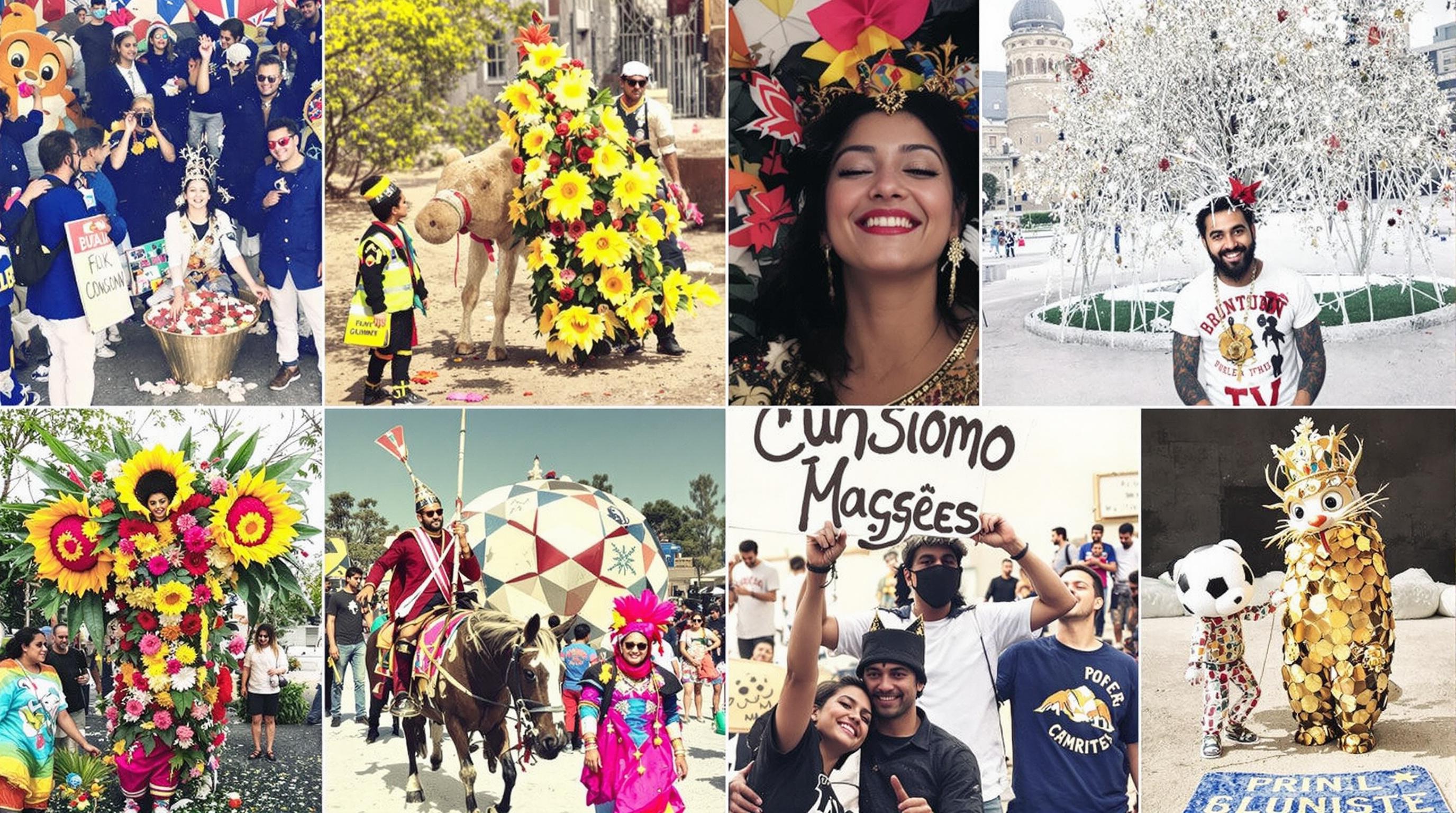
9 Uncommon Festivities: Discovering the Unique Celebrations that Reflect Diverse Cultural Narratives Around the World
9 Uncommon Festivities: Discovering the Unique Celebrations that Reflect Diverse Cultural Narratives Around the World
9 Uncommon Festivities: Discovering the Unique Celebrations that Reflect Diverse Cultural Narratives Around the World
1. La Tomatina, Spain
La Tomatina is an iconic event held in the town of Buñol, Spain, every last Wednesday of August. This unique festival began in 1945 during a local parade, where participants started throwing tomatoes at each other. Over the years, this playful and messy tradition gained popularity beyond the Spanish borders, drawing thousands of tourists each year.
Participants engage in a friendly battle using overripe tomatoes, which are provided by the town itself. The streets are transformed into a sea of red as laughter and chaos ensue. While the event is all about fun, it also reflects deeper cultural narratives regarding community and celebration of life's whims, echoing the sentiment of coming together in joy.
La Tomatina has evolved into a symbol of camaraderie, and it serves as a reminder that sometimes, the sheer joy of engagement can transcend cultural barriers. The festival has gained recognition and sparked interest in the importance of local traditions in the age of globalization.
2. Holi, India
Holi, known as the Festival of Colors, is celebrated predominantly in India, marking the arrival of spring and the triumph of good over evil. Observed in March, this vibrant festival invites people of all backgrounds to throw colored powders and water at each other, creating a picturesque canvas of colors that symbolizes joy and harmony.
Stemming from ancient Hindu mythology, Holi is not only about the colors but also about community bonding, as it encourages forgiveness and the strengthening of ties. Families come together, share meals, and reconnect with one another during this time, showcasing the importance of community in Indian culture.
Furthermore, Holi has gained international recognition and is celebrated in various countries, reflecting its universal themes of love, acceptance, and rebirth. It is a testament to how cultural narratives can transcend geographical borders, resonating with diverse communities worldwide.
3. Songkran, Thailand
Songkran marks the Thai New Year and is celebrated from April 13 to 15. This festival is best known for its lively water fights, where people take to the streets armed with water guns, buckets, and hoses. The ceremonial aspect involves splashing water as a symbol of purification, washing away sins and misfortunes from the past year.
Rooted in Buddhist traditions, Songkran is a time for families to come together, pay respects to their elders, and visit temples. The act of pouring water over Buddha statues is symbolic of seeking blessings and good fortune for the year ahead, ensuring that the festival is meaningful beyond its playful nature.
Over the years, Songkran has attracted tourists eager to participate in the water festivities, leading to a blend of traditional practices with modern entertainment. It highlights Thailand's rich cultural history and serves as a reminder of the importance of family, celebration, and the renewal of life.
4. Day of the Dead, Mexico
El Día de los Muertos, or the Day of the Dead, is a deeply revered Mexican holiday that takes place on November 1 and 2. Unlike typical notions of death, this celebration honors departed loved ones with vibrant ofrendas (altars) adorned with photographs, mementos, and favorite foods of the deceased. It reflects a unique blend of indigenous traditions and Catholicism.
The festival is characterized by colorful parades, intricately decorated skulls, and the joyous atmosphere that accompanies the celebration of life after death. Families come together to remember those who have passed, sharing stories and keeping their memories alive, thereby reinforcing the importance of familial bonds within Mexican culture.
As the Day of the Dead grows in global recognition, it also serves as a powerful example of how different cultures interpret and celebrate life, death, and the connections that endure beyond the grave. Its recognition by UNESCO as an Intangible Cultural Heritage of Humanity emphasizes its significance on a global scale.
5. Inti Raymi, Peru
Inti Raymi, or the Festival of the Sun, is a traditional Incan festival celebrating the winter solstice and the reawakening of the sun. It takes place in Cusco, Peru, on June 24th and is one of the most significant celebrations in Incan culture. The festival intricately combines rituals, performances, and offerings to the sun god, Inti.
The event features a grand procession, traditional music, and dramatic reenactments of Inca history, drawing thousands of visitors from around the world. Inti Raymi showcases the rich cultural heritage of the Andes, demonstrating the profound respect for nature and the cosmos that is central to indigenous beliefs.
As modern Peru continues to embrace its history, Inti Raymi has become a symbol of cultural pride and identity, inviting reflection on the enduring legacy of indigenous peoples. It serves as a vibrant reminder of how festivity can enrich cultural narratives and preserve historical traditions.
6. Sapporo Snow Festival, Japan
The Sapporo Snow Festival takes place every February in the city of Sapporo, attracting over two million visitors to admire majestic ice and snow sculptures. Originating in 1950, this unique celebration showcases intricate artwork created by local artists and features international competitions, making it a platform for creativity and cultural exchange.
The festival highlights not only the beauty of snow but also the resilience of its participants, illustrating how communities can come together to transform an often harsh winter landscape into a whimsical wonderland. Alongside the sculptures, traditional performances, food stalls, and winter sports create a festive atmosphere that radiates warmth despite the cold.
In the face of climate change, the Sapporo Snow Festival serves as a poignant reminder of nature’s ephemeral beauty and the importance of sustainable practices. The event cultivates awareness regarding environmental issues while celebrating community spirit in the heart of winter.
7. Harbin International Ice and Snow Sculpture Festival, China
Harbin, the capital city of Heilongjiang province in China, hosts the Harbin International Ice and Snow Sculpture Festival, one of the largest ice festivals in the world. Initiated in 1963 and revived in 1985, this dazzling event features massive intricate ice sculptures, illuminated by colorful lights, that create a stunning visual spectacle.
The festival begins in January, showcasing the artistic talents of ice sculptors from around the globe. Visitors can explore ice castles, slides, and tunnels, providing a unique glimpse into the creativity inspired by nature’s frozen elements. It symbolizes innovation, resilience against winter, and the beauty of artistic expression.
The Harbin Ice Festival not only attracts millions of tourists but also highlights the cultural significance of winter festivities in northern regions of China. It encapsulates the spirit of collaboration and celebration, encouraging cultural exchange through art and creativity.
8. Ouidah Voodoo Festival, Benin
The Ouidah Voodoo Festival is an annual celebration in Ouidah, Benin, that showcases the richness and diversity of Vodun culture. Traditionally held in January, the festival attracts thousands of participants, both locals and tourists, who come to experience mesmerizing rituals, dance, and music that pay homage to the Vodun spirits.
The festival features vibrant parades, rituals performed by priests and priestesses, and cultural demonstrations. It offers a glimpse into the historical significance of Vodun, which has deep roots in West African society. This celebration promotes awareness of the Vodun religion, countering misconceptions often associated with it.
Furthermore, the Ouidah Voodoo Festival fosters cross-cultural dialogue, allowing participants to learn about the intricate narratives that define Vodun. As the festival gains recognition on the global stage, it emphasizes the importance of preserving indigenous cultures in a rapidly changing world.
9. Up Helly Aa, Scotland
Up Helly Aa is a fire festival held annually in Shetland, Scotland, on the last Tuesday of January. The event celebrates Viking heritage and features a procession of men dressed as Vikings, known as "guizers," who parade through the streets carrying torches before culminating in the burning of a Viking longship.
The festival is deeply rooted in Shetland's history, highlighting the influence of Viking culture. It allows participants to explore their ancestral ties while engaging in communal festivities that include music, dancing, and storytelling. Up Helly Aa brings the community together, creating a sense of pride in shared heritage.
Up Helly Aa also showcases how local traditions can evolve while maintaining their historical significance. As interest in Viking history rises, the festival stands as a unique testament to the intersection of history, culture, and celebration, encouraging the retention of narratives that shape community identity.
Read More