Related Articles
- Culinary Cartography: The Unexpected Foods Shaping Local Identity in Urban Landscapes
- Flavors of the Forgotten: Rediscovering Culinary Traditions in the Shadows of Modern Food Trends
- Palate Pilgrimage: The Unlikely Fusion of Ancient Rituals and Modern Local Fare
- Ecosystem Engineers: Celebrating the Role of Nature-Based Solutions in Transforming Eco-Travel Experiences
- Ghost Towns and Green Trails: Unearthing Sustainable Journeys Through Forgotten Landscapes
- Hidden Footprints: Decoding the Carbon Footprint of Digital Nomadism in Edging Towards Sustainable Getaways
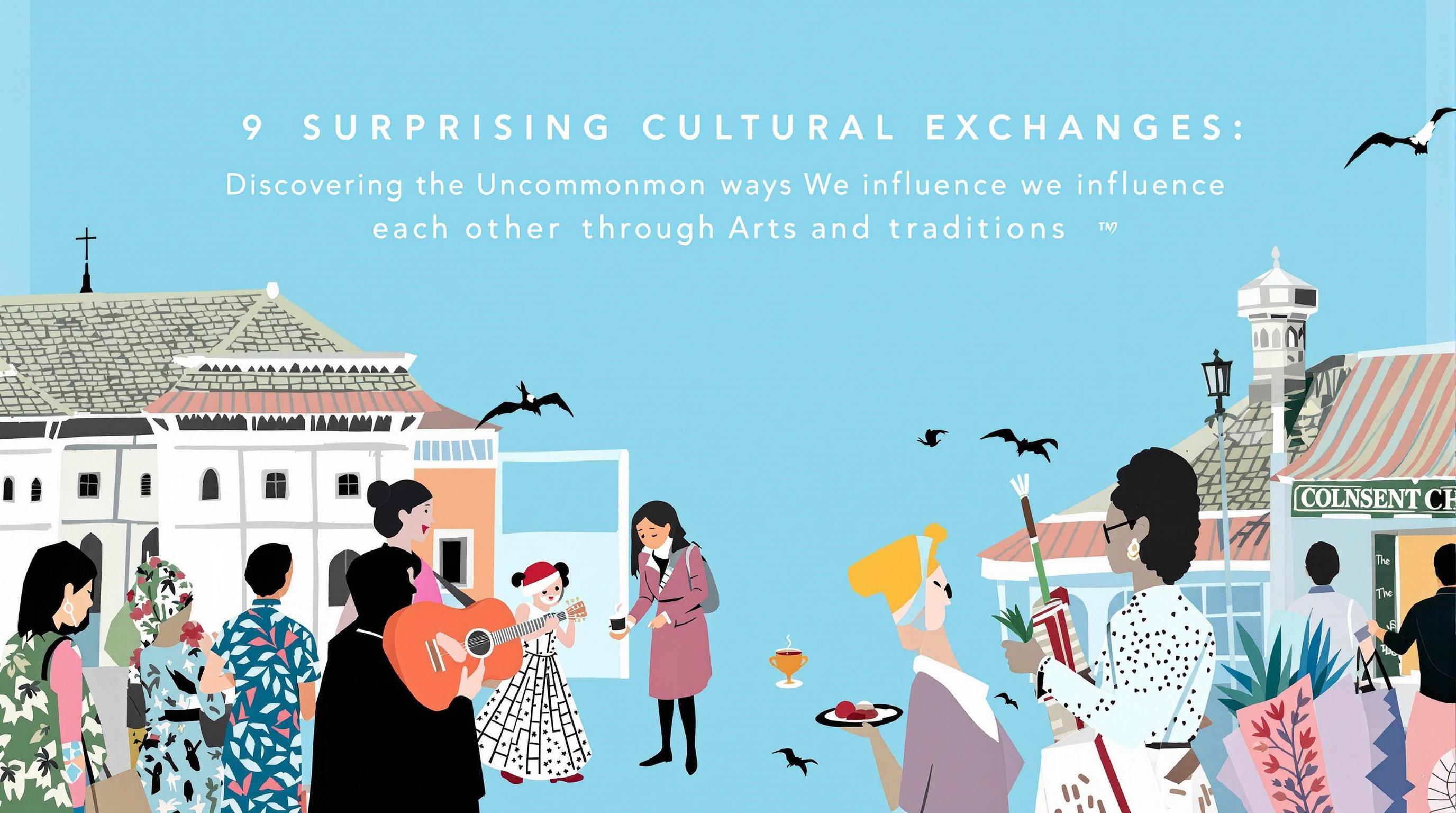
9 Surprising Cultural Exchanges: Discovering the Uncommon Ways We Influence Each Other Through Arts and Traditions
9 Surprising Cultural Exchanges: Discovering the Uncommon Ways We Influence Each Other Through Arts and Traditions
9 Surprising Cultural Exchanges: Discovering the Uncommon Ways We Influence Each Other Through Arts and Traditions
1. The Influence of Origami on Western Art
Origami, the Japanese art of paper folding, has transcended its traditional boundaries to inspire Western artists and designers. Artists like Robert J. Lang have taken origami’s intricate folds and applied them to a range of creative disciplines, including fashion and architecture. The clever interplay of precision and imagination resonates deeply within the contemporary art scene, fostering a dialogue between East and West.
Moreover, the principles of origami have influenced fields such as mathematics and engineering. By employing origami techniques, scientists and engineers are developing compact, deployable structures for space exploration, underscoring the practical applications of cultural art forms beyond their origins.
As the world becomes more interconnected, this cultural exchange enriches both traditions. It encourages a spirit of innovation that reflects a broader, collective creativity, illustrating how a simple art form can inspire profound transformations across cultures.
2. The Rhythms of Afro-Brazilian Dance
Afro-Brazilian dance, with its roots deeply embedded in African traditions, showcases a vibrant blend of cultural heritages. Candomblé and Capoeira are not merely forms of expression; they serve as living narratives interwoven with historical significance. As these dances traveled from Africa to Brazil, they evolved, incorporating local influences and responding to social contexts.
This rich tapestry of movement has influenced global dance scenes, prompting the incorporation of Afro-Brazilian styles into contemporary performances worldwide. Dance troupes from diverse backgrounds have begun to explore Afro-Brazilian rhythms, proving that dance can transcend barriers and become a universal language.
Thus, the exchange of kinetic storytelling continues to thrive, allowing participants to engage in a cultural dialogue that fosters understanding and appreciation across borders.
3. The Global Legacy of Culinary Fusion
Food is perhaps one of the most intimate forms of cultural exchange. Culinary fusion—the blending of different cooking styles and ingredients—illustrates how cultural influences can create entirely new gastronomic experiences. For instance, dishes such as sushi burritos exemplify the delightful surprises that arise when culinary traditions collide.
Restaurants worldwide now experiment with ingredients and techniques previously considered unconventional for their cuisine, revealing a newfound openness to cultural experimentation. This culinary diversity not only reflects globalization's impact but also the growing desire for authenticity and exploration in dining experiences.
Consequently, through food, we share stories of our ancestors, our travels, and our dreams, fostering a deeper emotional bond across diverse cultures, as we savor each bite of this rich exchange.
4. The Revival of Folk Music Traditions
Folk music has seen a resurgence in popularity across the globe, often blending elements from various cultures. This revival is indicative of an ongoing cultural exchange, where traditional melodies are reinterpreted by contemporary artists. Bands like the Transatlantic Sessions bring together musicians from different backgrounds, creating a sound that honors heritage while remaining accessible to modern audiences.
Through collaborations and cross-cultural performances, folk music serves not only as entertainment but also as a bridge connecting disparate communities. These artists reveal the beauty of cultural stories that transcend time and geography, inviting listeners to engage with traditions they may not have encountered.
The renewed interest in folk music exemplifies how artistry can unify diverse voices, nurturing a shared cultural identity amidst the often chaotic backdrop of modern life.
5. Cinema's Role in Cultural Exchange
Films have the power to transport viewers into unfamiliar worlds, fostering empathy and understanding through shared narratives. The global popularity of foreign films—whether it's a heartwarming Japanese anime or a thrilling South Korean drama—demonstrates cinema's profound capability for cultural exchange. Movies such as “Parasite” have sparked conversations around social issues that resonate universally.
Moreover, filmmakers frequently draw upon traditions and storytelling techniques from various cultures, enhancing the complexity and depth of their narratives. As Hollywood continues to diversify its storytelling pool, audiences are exposed to an array of perspectives, further blurring cultural boundaries.
Ultimately, cinema serves as a catalyst for dialogue, revealing the interconnected nature of the human experience and inspiring both filmmakers and viewers to explore the richness of our global community.
6. The Transformation of Traditional Textiles
Textile arts hold timeless significance across cultures, and recent trends have witnessed a fusion of traditional techniques with modern aesthetics. Craftspeople from indigenous communities are collaborating with contemporary designers, resulting in innovative collections that celebrate their heritage while appealing to a global market.
This partnership not only preserves traditional weaving and dyeing methods but also elevates the stories behind the textiles. Each piece of clothing or fabric carries cultural significance, merging past and present in wearable art that speaks to both the individual's identity and the broader conversations about sustainability.
This cultural exchange fosters a renewed appreciation for craftsmanship in an age of fast fashion, encouraging consumers to invest in pieces that honor the stories of the artisans who create them.
7. The Language of Visual Arts
Visual arts provide a unique lens through which we can explore cultural exchanges. The synthesis of various styles, such as the incorporation of traditional African motifs into contemporary Western art, challenges preconceived notions of cultural ownership. Artists like Kehinde Wiley highlight this dialogue by reimagining classic portraiture through the lens of modern identity.
Exhibitions across the globe now frequently feature works that draw from multiple artistic traditions, creating spaces for visceral conversations about culture, race, and history. Such exchanges invite audiences to reconsider the narratives shaped by art and broaden their understanding of the cultures from which these artistic expressions arise.
These intersections create an enriching environment that fosters creativity while reminding us of our shared human experience, reflected beautifully on the canvas.
8. The Impact of Fashion Collaborations
Collaborations between designers from different cultural backgrounds have led to groundbreaking work that reflects a tapestry of influences. Fashion houses often embrace cultural motifs, fabrics, and techniques from various communities, showcasing the beauty of diversity on the runway. The success of designers like Stella Jean, who incorporates Italian and Haitian backgrounds into her collections, illustrates this effect.
Such partnerships are not without scrutiny, however. Conversations around cultural appropriation and appreciation continue to challenge the fashion industry. Designers are prompted to engage with cultural partners and tell authentic stories while creating pieces that resonate universally.
Ultimately, the fashion world’s evolving dialogue demonstrates an increasing awareness of cultural responsibility, allowing fashion to function as both aesthetic expression and respectful homage.
9. The Power of Collaborative Literary Works
Literature has long been a vehicle for cultural expression, and the rise of collaborative writing projects reflects today's interconnectedness. Authors from diverse backgrounds are joining forces, weaving narratives that reflect a plurality of voices and experiences, such as in the anthology “The Good Immigrant.”
These literary exchanges shine a light on social issues, personal stories, and cultural heritage in ways that resonate with a broad audience. They challenge readers to empathize and understand perspectives that differ from their own, promoting a richer, multifaceted understanding of the human condition.
By sharing their unique stories and styles, these authors contribute to an ongoing dialogue that redefines the literary landscape, urging us to embrace the beauty that arises from our shared differences.
Read More