Related Articles
- Culinary Cartography: The Unexpected Foods Shaping Local Identity in Urban Landscapes
- Flavors of the Forgotten: Rediscovering Culinary Traditions in the Shadows of Modern Food Trends
- Palate Pilgrimage: The Unlikely Fusion of Ancient Rituals and Modern Local Fare
- Ecosystem Engineers: Celebrating the Role of Nature-Based Solutions in Transforming Eco-Travel Experiences
- Ghost Towns and Green Trails: Unearthing Sustainable Journeys Through Forgotten Landscapes
- Hidden Footprints: Decoding the Carbon Footprint of Digital Nomadism in Edging Towards Sustainable Getaways
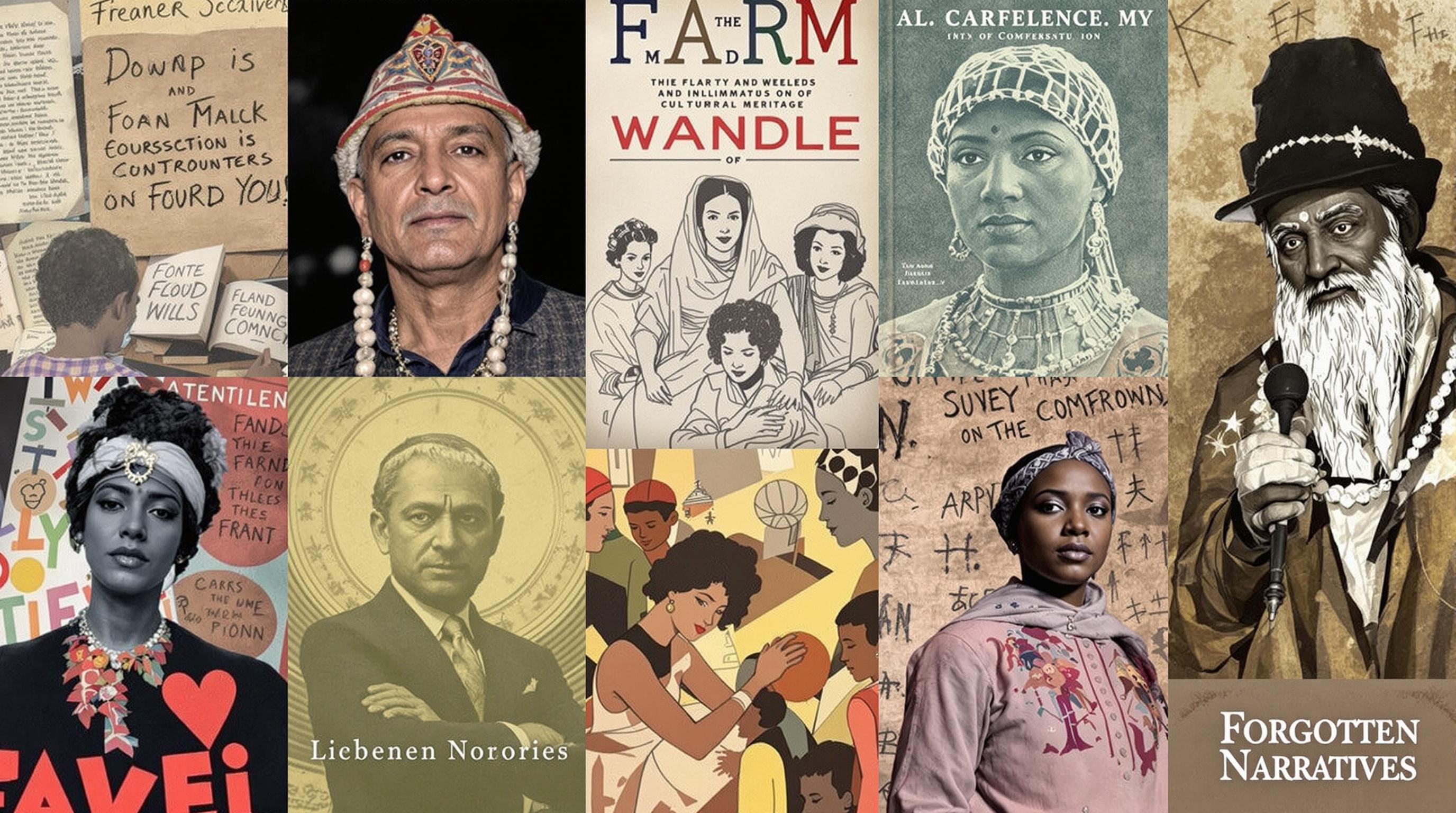
7 Forgotten Narratives: Revealing the Overlooked Stories That Illuminate Our Shared Cultural Heritage Through Untold Voices
7 Forgotten Narratives: Revealing the Overlooked Stories That Illuminate Our Shared Cultural Heritage Through Untold Voices
7 Forgotten Narratives: Revealing the Overlooked Stories That Illuminate Our Shared Cultural Heritage Through Untold Voices
Introduction
Throughout history, myriad voices have shaped our cultural heritage, yet many compelling narratives have faded into obscurity. These forgotten stories often embody rich cultural traditions and unique perspectives that have influenced societies, communities, and individual lives. By unearthing these narratives, we can gain a deeper understanding of our collective human experience.
This article explores seven overlooked stories that highlight the importance of inclusion and representation within cultural heritage. By shedding light on these untold voices, we aim to illuminate their significance, encouraging a broader appreciation of the diverse tapestry of human history.
Through various forms of storytelling, these narratives can inspire reflection about the values, struggles, and contributions of marginalized groups. Recognizing these voices not only revitalizes history but also encourages present and future generations to appreciate the richness found in our diverse cultural legacies.
The Bantu Migration
The Bantu Migration, spanning several centuries, was a complex movement of people across Sub-Saharan Africa. As Bantu-speaking tribes spread from West to East and Southern Africa, their cultural practices, languages, and agricultural techniques profoundly influenced the regions they encountered. Despite its significance, this migration and its impact on African cultures are often overlooked in mainstream historical narratives.
As the Bantu people migrated, they interacted with various indigenous groups, leading to the exchange of languages and customs. The result was a rich amalgamation of traditions that shaped modern African societies. Incorporating these voices and their stories into broader historical frameworks can help dismantle stereotypes and foster greater understanding of Africa's diverse cultures.
Furthermore, studying the Bantu Migration provides valuable insights into concepts of identity, belonging, and adaptation in the face of change. Such narratives challenge Eurocentric perspectives on cultural development, highlighting the importance of acknowledging indigenous contributions to global history.
The Ainu of Japan
The Ainu, an indigenous people of Japan, have a rich cultural heritage that has been largely marginalized throughout history. Predominantly residing in Hokkaido, the Ainu maintain distinct language, traditions, and spiritual beliefs that differ significantly from those of the mainstream Japanese population. Recognition of their narrative has been sparse, contributing to a lack of understanding about their cultural uniqueness.
The Ainu people have faced substantial challenges to their identity, including forced assimilation and discrimination. Their history is a testament to resilience as they strive to reclaim their cultural practices and assert their rights. As the Japanese government begins to recognize the Ainu as an indigenous group, it opens avenues for more inclusive representation of their narratives within national history.
Highlighting the Ainu’s traditional practices, such as their deep connection with the natural world, can serve to educate others about indigenous wisdom and ecological stewardship. These narratives illuminate the importance of preserving such cultures for future generations, fostering cross-cultural dialogue and appreciation.
The Lenape Nation
The Lenape people, native to the Northeastern United States, possess a rich oral history and a profound connection to the land that has often been overlooked in American narratives. Their stories, encompassing creation myths, experiences of displacement, and resilience, provide critical context to the early history of America. Understanding these narratives is crucial to acknowledging the true impact of colonization.
Despite facing significant challenges following European settlement, including loss of land and cultural upheaval, the Lenape Nation continues to thrive. Their efforts to revitalize their culture and language demonstrate a commitment to preserving their heritage for future generations. Stories of resilience against adversity can inspire others in their struggles against marginalization.
Incorporating Lenape narratives into educational curricula can foster a greater understanding of the complexities surrounding Native American history. By recognizing the value of the Lenape experience, we can pave the way for meaningful dialogue and reconciliation between Indigenous peoples and wider society.
Women of the Suffragette Movement
While the suffragette movement is often attributed to prominent figures like Susan B. Anthony and Emmeline Pankhurst, countless other women played vital roles in advocating for women's rights. These unseen heroines organized grassroots campaigns, wrote influential literature, and mobilized communities to demand suffrage. Recognizing their contributions is essential in understanding the full scope of the movement.
Many of these women, drawn from diverse ethnic and socioeconomic backgrounds, faced unique challenges that shaped their activism. By amplifying their stories, we confront issues of intersectionality within the fight for equality, offering a more inclusive portrayal of the suffragette movement. This discourse encourages a re-examination of women's roles in activism today.
Inclusion of varied experiences within the suffragette narrative not only honors the collective struggle for women's rights but also reminds us of the continued fight for equity that resonates in discussions surrounding women's issues globally. Empowering these voices can further ignite contemporary movements for social justice.
The Forgotten Queer Artists of the Harlem Renaissance
The Harlem Renaissance was a flowering of African American culture, but the contributions of queer artists during this period are often overlooked. Figures like Langston Hughes and Zora Neale Hurston embraced their sexual identities, yet the historical documentation of their lives has frequently shied away from these complexities. Recognizing the intersection of race and sexuality enriches our understanding of this cultural renaissance.
These queer artists faced dual discrimination, navigating both a racially biased society and the challenges of their sexual orientations. Their works conveyed a yearning for freedom that transcended mere artistic expression, connecting deeply with themes of love, identity, and self-acceptance. By highlighting these narratives, we broaden the scope of the Harlem Renaissance and illuminate the influence of LGBTQ+ identities within this pivotal cultural movement.
Revisiting the narratives of queer artists from this era encourages a more inclusive celebration of creativity and cultural development, fostering appreciation for the diverse contributions to the arts. Understanding their struggles can also inspire current and future generations to continue advocating for representation and equality in the arts.
The Impact of Asian American Soldiers in WWII
Asian American soldiers played crucial roles during World War II, yet their contributions are frequently overshadowed by dominant historical narratives focusing on more mainstream narratives. The bravery and sacrifices made by men such as the 442nd Regimental Combat Team—a unit composed primarily of Japanese Americans—demonstrate the complexities of loyalty and identity amidst a climate of discrimination.
The paradox of serving a country that simultaneously marginalized their families is a profound theme in the stories of these soldiers. Their narratives encapsulate broader discussions on patriotism, sacrifice, and the struggle against prejudice. By recognizing their contributions, we challenge historical erasure and embrace a fuller understanding of the diverse experiences of those who served in armed conflict.
Celebrating the legacy of Asian American veterans can also inspire new dialogues about citizenship and identity. These stories underscore the importance of recognizing the multifaceted nature of patriotism, highlighting the significant roles that individuals from various backgrounds played in shaping military history.
The Contributions of Indigenous Australians
The narratives of Indigenous Australians are integral to understanding Australia’s history, yet they have often been marginalized or misrepresented. With a history stretching back over 60,000 years, Indigenous Australians possess a complex understanding of the land and its ecosystems, which contrasts sharply with Western epistemologies. Recognizing these stories sheds light on sustainable practices and worldviews that have much to teach contemporary society.
Through oral traditions, Indigenous Australians impart stories that encapsulate deep spiritual connections with the land, offering perspectives that highlight the repercussions of colonization and environmental degradation. Acknowledging these narratives is essential to addressing contemporary issues of land rights and environmental stewardship.
By amplifying Indigenous voices, we promote genuine understanding and respect for their unique cultural heritage. This not only honors their struggles but invites broader conversations about reconciliation and the role of traditional knowledge in addressing today’s environmental challenges.
Conclusion
As we explore these seven forgotten narratives, it becomes clear that the tapestry of our cultural heritage is enriched by the diversity of voices that have often been sidelined. Recognizing and honoring these stories fosters an inclusive understanding of our collective history, allowing us to learn from the past while moving toward a more equitable future.
Bridging the gap between academic discussions and the general public is essential. By highlighting these untold voices, we inspire meaningful dialogue and urge institutions to revisit historical narratives with an emphasis on inclusion and representation.
Ultimately, the journey to uncover forgotten narratives is a call to action. It reminds us that every culture, every person, contributes to the shared human experience. Let us celebrate these stories, so they inspire future generations to value and respect the rich diversity of our world.
Read More