Related Articles
- Culinary Cartography: The Unexpected Foods Shaping Local Identity in Urban Landscapes
- Flavors of the Forgotten: Rediscovering Culinary Traditions in the Shadows of Modern Food Trends
- Palate Pilgrimage: The Unlikely Fusion of Ancient Rituals and Modern Local Fare
- Ecosystem Engineers: Celebrating the Role of Nature-Based Solutions in Transforming Eco-Travel Experiences
- Ghost Towns and Green Trails: Unearthing Sustainable Journeys Through Forgotten Landscapes
- Hidden Footprints: Decoding the Carbon Footprint of Digital Nomadism in Edging Towards Sustainable Getaways
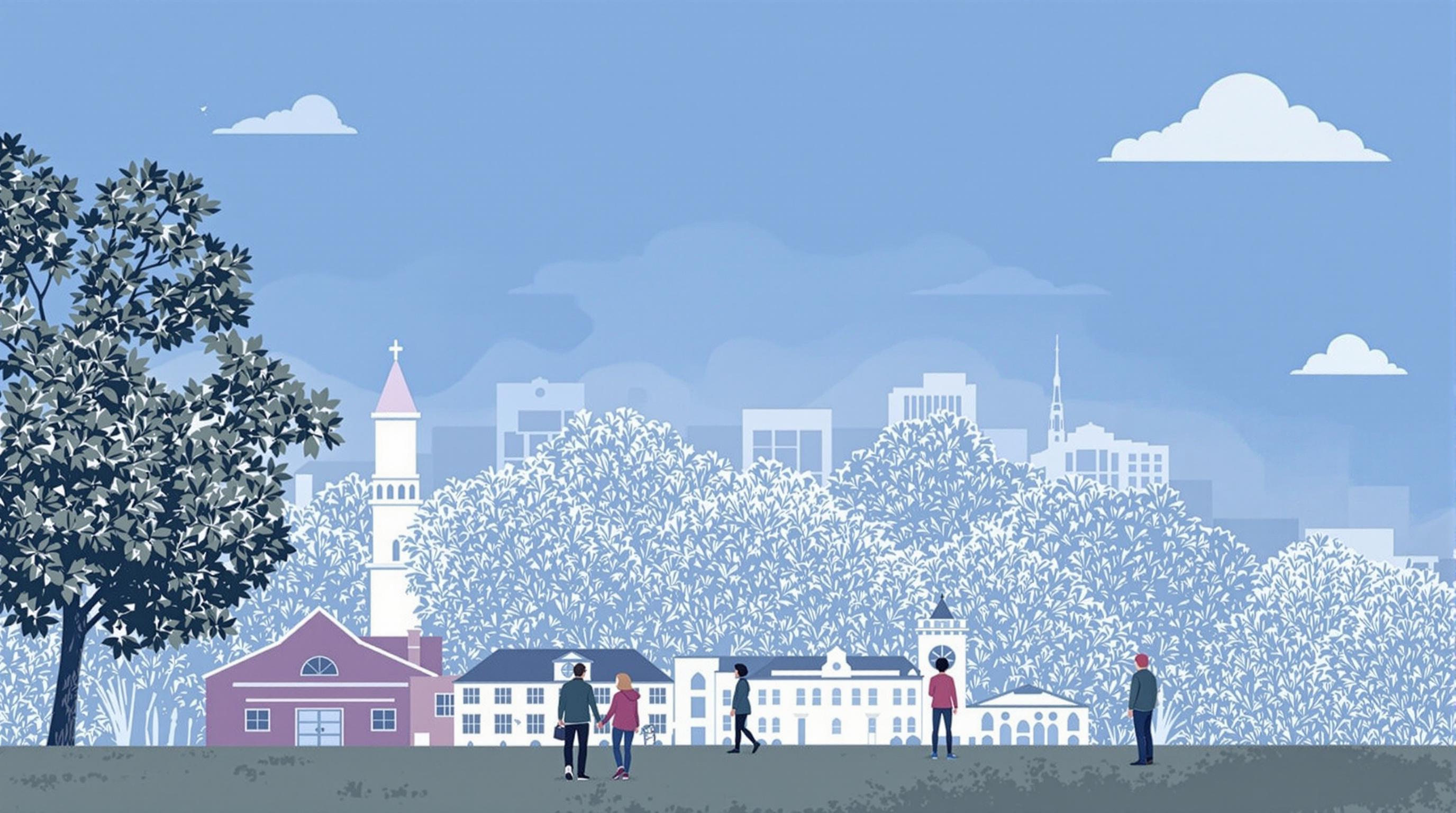
11 Uncharted Cultural Landscapes: Exploring the Overlooked Experiences That Redefine Our Understanding of Community and Belonging
11 Uncharted Cultural Landscapes: Exploring the Overlooked Experiences That Redefine Our Understanding of Community and Belonging
11 Uncharted Cultural Landscapes: Exploring the Overlooked Experiences That Redefine Our Understanding of Community and Belonging
1. The Role of Urban Green Spaces
Urban green spaces such as parks and community gardens are vital yet often overlooked elements of city life. They foster connections among diverse populations and promote mental well-being. According to the study by Kuo et al. (1998), access to green spaces can reduce stress and enhance social interactions, providing an oasis amid urban bustle.
These areas serve not just as recreational spots, but also as cultural melting pots where different communities can engage, share ideas, and celebrate their heritage. In recent years, initiatives to create inclusive green spaces have emerged, recognizing the need for environments that reflect the demographics of surrounding neighborhoods.
By integrating cultural elements into urban design, cities have the opportunity to cultivate places where belonging feels authentic. Engaging with community members about their cultural preferences can enhance the social fabric and promote solidarity, offering a deeper understanding of community dynamics.
2. The Forgotten Voices of Rural Communities
Rural areas often present a vastly different landscape of community compared to urban settings. These communities frequently go unheard in national conversations about diversity and inclusion. Their unique cultural identities shaped by agriculture, crafts, and local histories provide a rich, yet underrepresented source of belonging.
The preservation of stories, traditions, and practices, such as local festivals or artisanal crafts, highlights the significance of these overlooked experiences. According to a report from the National Rural Assembly, empowering rural voices can reshape policy discussions and enhance community cohesion by recognizing the value of individual histories.
As conversations around social belonging evolve, it’s crucial to include rural narratives that showcase their complex identities. Fostering connections between rural and urban communities can create a mutual understanding that enriches the cultural landscape for all.
3. Digital Communities in the Age of Social Media
With the rapid evolution of technology, digital communities have changed the way people connect. Online platforms enable interactions that transcend geographical boundaries, but they also raise questions about authenticity and belonging. Digital spaces offer marginalized voices a platform, creating new cultural landscapes.
The Pew Research Center indicates that online communities can provide support structures for individuals who may feel isolated in their physical environments. These platforms cultivate belonging through shared interests, ideologies, and experiences, regardless of location.
Understanding the dynamics of digital communities is essential in the contemporary exploration of belonging. While these formats offer connection, the challenge lies in ensuring that they enhance rather than replace interpersonal relationships, maintaining the significance of human connection.
4. Intergenerational Connections
Exploring community often uncovers the rich layer of intergenerational relationships wherein wisdom and traditions are passed down through generations. Such connections foster a sense of belonging and identity. In many cultures, elders serve as custodians of history, imparting their experiences and teachings to younger generations.
A study led by the American Psychological Association highlights the positive impacts of intergenerational programming on community bonding. Activities that connect youth with seniors have proven to enhance social responsibility and emotional well-being across all age brackets.
Recognizing and nurturing these relationships can redefine community experiences, empowering individuals through shared narratives. Programs focusing on intergenerational learning can help bridge gaps, enhancing understanding and fostering an enriched cultural landscape.
5. Celebrating the Arts as Community Catalysts
The arts often serve as a powerful medium for cultural expression and community engagement. Local artists have the capacity to articulate shared experiences and address societal issues through their work. The incorporation of arts into community frameworks can enhance belonging and cultural identity.
Organizations like the National Endowment for the Arts have shown that art initiatives can significantly improve community cohesion and quality of life by encouraging participation and collaboration among residents. Activities like street art projects or community theater not only beautify the space but also create collective memories.
By celebrating and investing in local arts, communities can harness the creativity that fosters dialogue, inclusion, and a sense of belonging. Arts initiatives can unlock hidden narratives, empowering individuals to connect in meaningful ways.
6. Language as a Cultural Connector
Language plays a vital role in shaping community identity and belonging. For many, it is the primary means of cultural expression, allowing individuals to connect with their heritage and with one another. Yet, in our increasingly globalized world, many languages and dialects are at risk of disappearing.
Research indicates that preserving linguistic diversity can significantly impact communities, fostering pride and shared identity. According to the United Nations Educational, Scientific and Cultural Organization (UNESCO), multilingual communities often exhibit higher levels of social cohesion and cultural richness.
Promoting language courses, storytelling events, and other linguistically-focused initiatives supports cultural retention and nurtures belonging. Emphasizing the value of diverse languages can create deeper human connections, uniting individuals across different backgrounds.
7. The Impact of Local Food Traditions
Food is a powerful cultural marker and a key element in defining community identity. Local food traditions reflect the values, history, and essence of a community. They provide opportunities for storytelling and connection during communal meals, emphasizing the importance of shared rituals.
The resurgence of farm-to-table initiatives and community-supported agriculture (CSA) programs highlights the significance of food in fostering community ties. According to the Journal of Rural Studies, such movements encourage individuals to engage with their local food systems, enhancing their sense of belonging.
By prioritizing local cuisine and culinary traditions, communities can strengthen their identity. Food becomes a medium through which stories are shared—nourishing not just the body, but also the bonds that connect individuals within the cultural landscape.
8. Community Resilience in Crisis
In times of crisis, communities often showcase remarkable resilience. Overcoming shared adversities fosters unity and a heightened sense of belonging that redefines their collective identity. Experiences such as natural disasters or public health crises reveal the strength in community bonds.
Research from the American Psychological Association emphasizes the role of community support in building resilience during challenging times. Initiatives that promote collaboration among community members drastically enhance coping mechanisms and foster deeper connections.
Recognizing the power of collective resilience can lead to more meaningful approaches to community development. By valuing these crisis-driven narratives, communities can emerge stronger, redefining their cultural landscape and sense of belonging.
9. Exploring Indigeneity and Cultural Heritage
Indigenous communities hold a profound connection to their land, and their experiences provide invaluable insights into community and belonging. The preservation and revitalization of Indigenous cultures foster a deeper understanding of identity that transcends modern societal constructs.
According to the World Indigenous Nations Higher Education Consortium, engaging with Indigenous knowledge systems can enrich collective understanding of community dynamics. Emphasizing cultural heritage through storytelling, ceremonies, and traditional practices cultivates connections that bear significance for future generations.
Incorporating Indigenous perspectives can redefine community narratives, opening doors to a broader understanding of what belonging means. Collaborative efforts toward recognition and respect for Indigenous cultures enhance the rich tapestry of our shared humanity.
10. The Intersection of Technology and Community Building
As technology evolves, it creates newfound opportunities for community building. Virtual reality, social media, and mobile apps have transformed the way people connect, allowing for both local and global interactions. These technological shifts shape our experiences of belonging in increasingly complex ways.
Platforms that promote live-streamed events and virtual gatherings allow individuals to engage irrespective of location, bridging gaps between communities. A report from the World Economic Forum highlights technology’s role in fostering a sense of community during physical distancing, revealing the potential for digital interaction.
By embracing innovative technology, communities can break traditional barriers and provide inclusive spaces that redefine belonging. Understanding how technology can complement physical interactions is essential for shaping future cultural landscapes.
Conclusion
Exploring uncharted cultural landscapes offers a nuanced perspective on community and belonging. By recognizing and valuing the overlooked experiences, we can redefine our understanding of human connections and foster inclusive environments that empower individuals and celebrate diversity.
Each of these landscapes holds the potential for enriching social dynamics and enhancing our collective identity. From redefining public spaces to nurturing intergenerational relationships, the journey is ongoing—a dialogue that can lead to renewed connections and shared dreams.
As we navigate these diverse expressions of community, it is imperative to engage in active listening and co-creation. Together, we can build cultural landscapes that not only embrace belonging but also inspire future generations.
Read More