Related Articles
- Culinary Cartography: The Unexpected Foods Shaping Local Identity in Urban Landscapes
- Flavors of the Forgotten: Rediscovering Culinary Traditions in the Shadows of Modern Food Trends
- Palate Pilgrimage: The Unlikely Fusion of Ancient Rituals and Modern Local Fare
- Ecosystem Engineers: Celebrating the Role of Nature-Based Solutions in Transforming Eco-Travel Experiences
- Ghost Towns and Green Trails: Unearthing Sustainable Journeys Through Forgotten Landscapes
- Hidden Footprints: Decoding the Carbon Footprint of Digital Nomadism in Edging Towards Sustainable Getaways
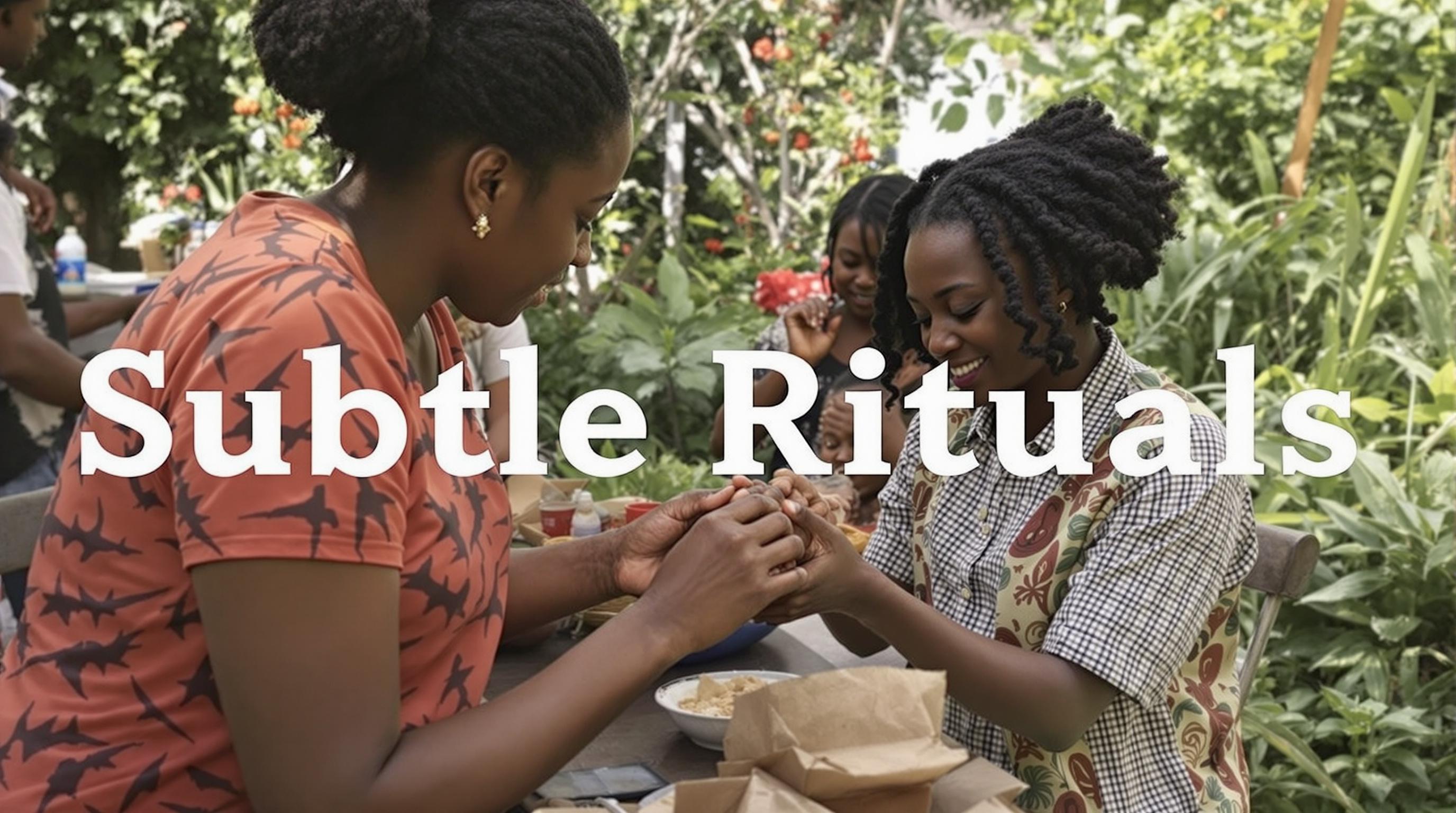
10 Subtle Rituals: Unearthing the Quiet Practices That Forge Deep Connections in Diverse Cultural Communities
10 Subtle Rituals: Unearthing the Quiet Practices That Forge Deep Connections in Diverse Cultural Communities
10 Subtle Rituals: Unearthing the Quiet Practices That Forge Deep Connections in Diverse Cultural Communities
1. The Morning Coffee Ritual
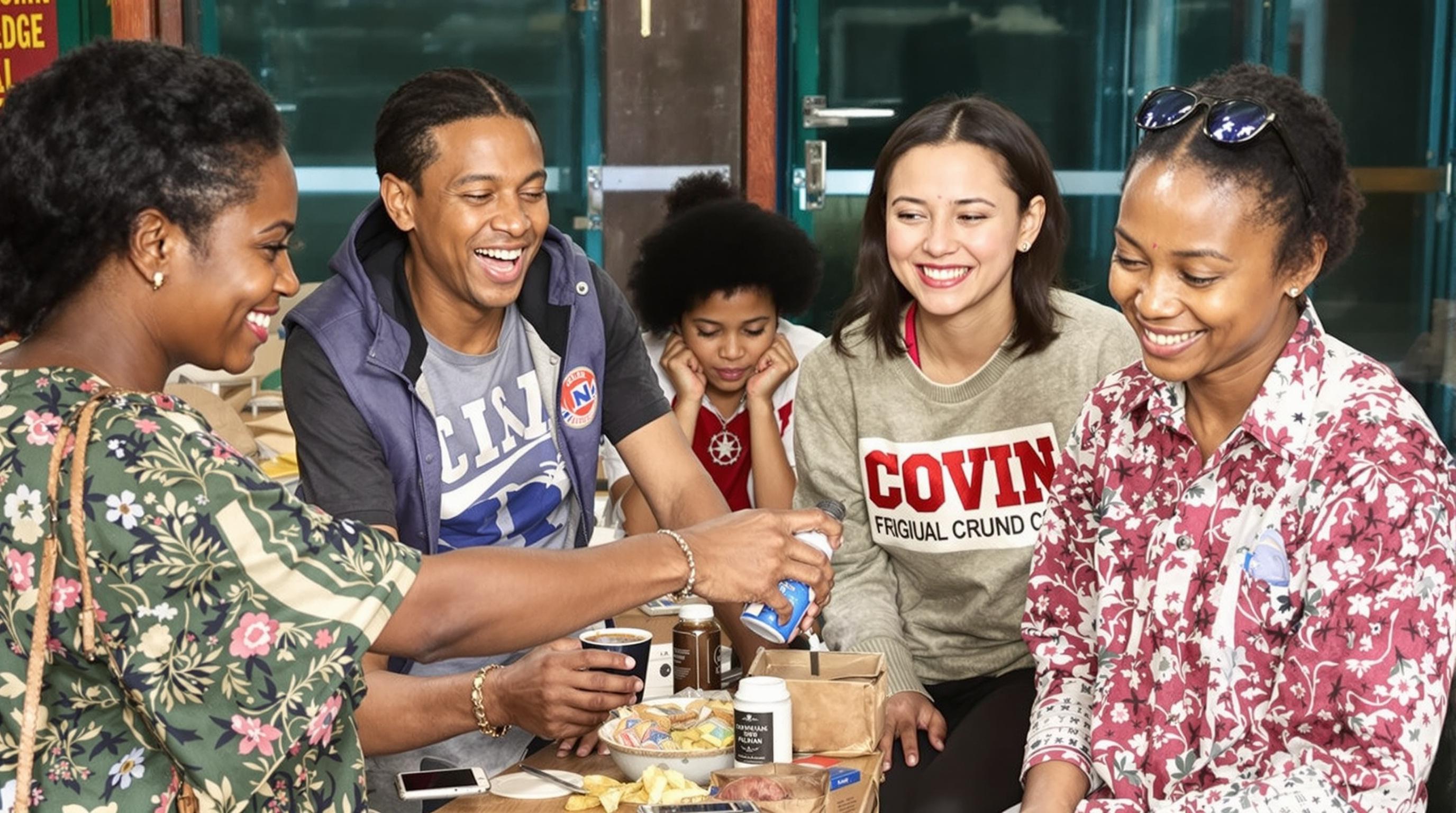
Across many Latin American cultures, particularly in Colombia and Brazil, the morning ritual of brewing and sharing coffee plays a significant role in community bonding. This daily practice transforms what might be a mundane activity into a sacred moment of connection. Families often gather around the coffee pot, exchanging stories and laughter before starting their day.
The coffee ritual not only serves as a unifying force but also fosters cultural identity. It provides an opportunity to share regional variations in preparation and consumption, allowing individuals to recount personal memories associated with their coffee habits. As coffee fills the air with its rich aroma, it reinforces communal ties.
This subtle yet profound ritual exemplifies how shared practices can build intimate connections within a community, creating a sense of belonging as individuals come together over something as simple as a cup of coffee.
2. The Evening Meal
The act of sharing an evening meal transcends cultural boundaries, serving as a pivotal moment for connection. In many cultures, this ritual is laden with symbolism and tradition, often marked by the types of dishes served, the way they are prepared, and the stories shared around the table. Family members and friends gather to reconnect at the end of the day, reinforcing relationships through culinary heritage.
In Mediterranean communities, for example, communal dining is not just about sustenance but about nurturing relationships. The food is often prepared collectively, emphasizing the importance of collaboration and shared efforts. The act of breaking bread together symbolizes unity and is a platform for storytelling and exchange.
In addition to nurturing familial kinship, these shared meals create space for cultural preservation. Through recipes passed down from generation to generation, participants reinforce their identity and continue the legacy of their culinary traditions.
3. Storytelling Gatherings
Storytelling is a quintessential element in many cultures, often seen as a vital way of preserving history and values. In Native American communities, for example, oral storytelling sessions serve as rituals where wisdom and teachings are passed down through generations. Gatherings around the fire invite listeners to engage deeply with their heritage.
These storytelling rituals create a platform for younger members to learn about their roots, fostering a sense of identity. They encourage active participation, allowing listeners not only to hear stories but also to share their own. This communal approach enhances bonds as stories reflect shared experiences and cultural values.
The act of storytelling becomes a sacred ritual, embodying the essence of a community's struggles, triumphs, and hopes. It allows participants to forge connections not just with each other but with their shared ancestral narratives, reinforcing their cultural ties.
4. Rituals of Gratitude
In various cultures worldwide, rituals centered around gratitude serve as important practices for acknowledging the interconnectedness of life. In Japan, the idea of "Itadakimasu" is a common practice before meals, expressing gratitude to those who contributed to the meal's preparation, including nature itself. This simple yet profound utterance reminds individuals of their place within a larger ecosystem.
In other cultures, similar rituals manifest during communal farming events or harvest festivals, where gratitude is expressed through song, dance, and storytelling. These moments reinforce community bonds and remind participants of their shared reliance on one another and their environment.
Engaging in gratitude rituals cultivates a sense of belonging and appreciation, allowing individuals to forge deeper connections with each other and the world around them. These practices nurture empathy and foster an environment of care within diverse communities.
5. Pilgrimages
Pilgrimages often serve as transformative experiences that reinforce faith and community connections. In many religious traditions, such as the Hajj in Islam or the Camino de Santiago in Christianity, individuals embark on journeys that foster a sense of unity among participants. As they walk together towards a common destination, bonds deepen through shared physical and spiritual experiences.
The act of pilgrimage is not solely about the destination but importantly about the journey itself. Participants encounter cultural landmarks, share stories, and experience communal hospitality, allowing connections to flourish. These subtle yet impactful interactions create lifelong friendships grounded in shared purpose.
Pilgrimages often serve as opportunities for reflection and renewal, both personally and communally. Through rituals of devotion, participants reaffirm their beliefs while simultaneously reinforcing their ties to each other and the broader community.
6. Seasonal Festivals
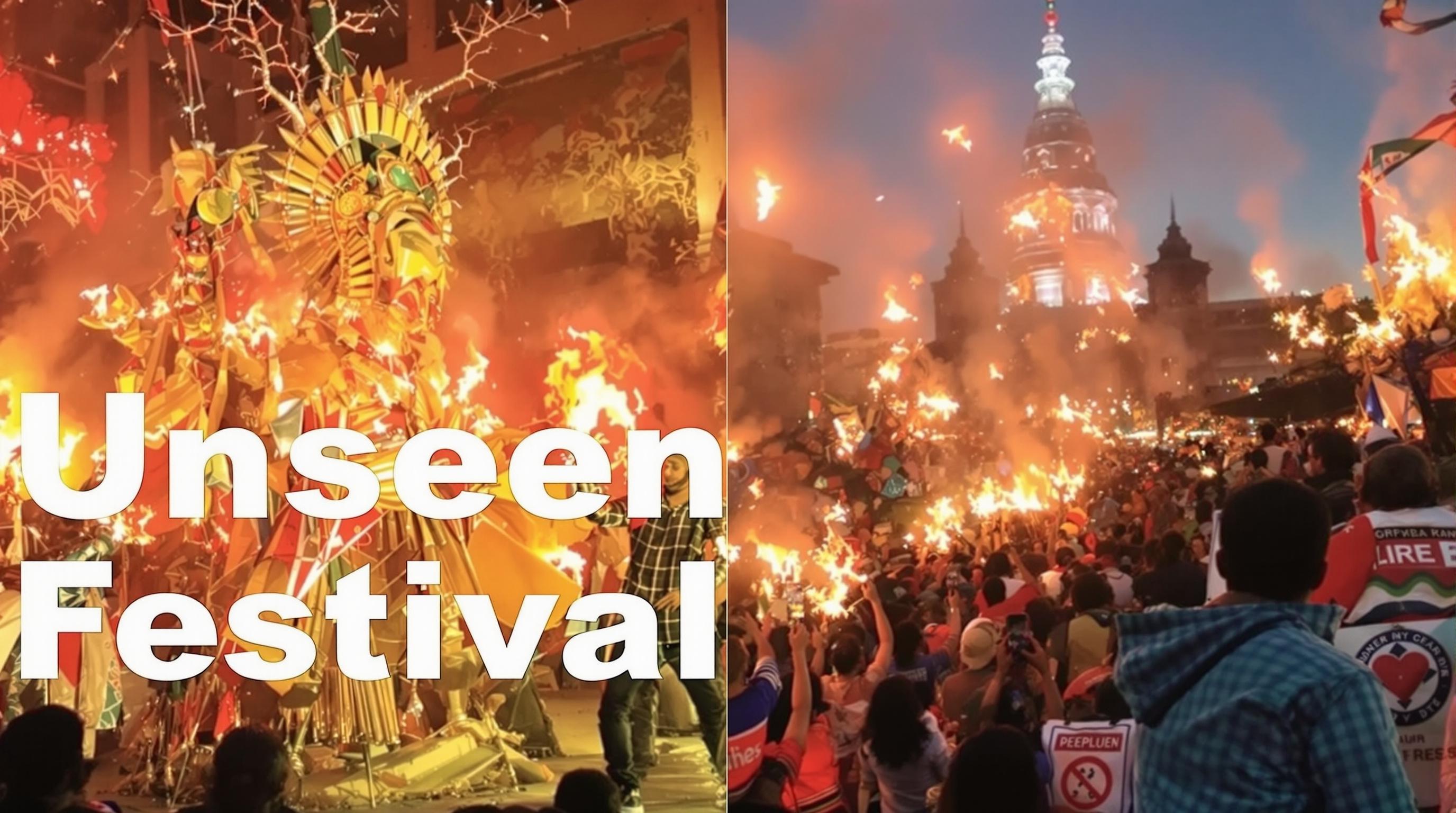
Seasonal festivals offer communities a chance to come together and celebrate their cultural heritage, reinforcing social bonds. During events like Día de los Muertos in Mexico or the summer solstice celebrations in various Indigenous cultures, communities unite to honor life and death, nature, and ancestral wisdom. These gatherings transform public spaces into vibrant hubs of shared traditions.
These festivals often include unique rituals, such as creating altars, preparing traditional foods, and engaging in dances or music. By participating, individuals not only celebrate their culture but also strengthen their connections to one another through shared joy and remembrance.
Ultimately, seasonal festivals become collective memories, allowing communities to recount stories and traditions that define them. These nurturing events solidify cultural identities, fostering a sense of unity and important social ties.
7. Artisanal Workshops
Craftsmanship has long served as a means of forging connections within communities. In many cultures, artisanal workshops act as spaces for knowledge transfer, where the elderly pass down their skills to younger generations. In traditional weaving workshops in Peru, for instance, the process of creating beautiful textiles goes beyond mere artistry; it's a communal activity filled with stories and laughter.
During these workshops, participants engage in both learning and sharing, as artisans often recount the history and significance behind their techniques. This creates a bond as knowledge is exchanged between generations, reinforcing ties and instilling a sense of pride within the community.
Engaging in hands-on rituals such as these nurtures connection through creativity and cooperation. As participants craft together, they solidify their relationships while upholding and preserving cultural expressions.
8. Healing Circles
In many Indigenous cultures, healing circles serve as a vital ritual for emotional and spiritual connection. These gatherings offer participants a safe space to share personal experiences, struggles, and healing journeys. This communal practice emphasizes the importance of collective well-being and support, allowing individuals to feel seen and heard within the group.
Healing circles often follow traditional protocols, such as passing a talking piece, where only the individual holding it is allowed to speak. This respectful practice fosters active listening and validation, creating an atmosphere of trust and empathy among participants.
Through the act of sharing stories in a supportive environment, healing circles forge deep connections that transcend mere social interactions. Participants emphasize their interconnectedness and reaffirm the importance of community in facilitating healing.
9. Nature Retreats
Retreats to nature provide a respite from daily life, enabling communities to deepen their connections through shared experiences in the great outdoors. Many cultures celebrate seasonal migrations or communal gatherings in nature to reconnect with the Earth and each other. Whether it’s gathering food from the land or camping together, these practices instill a sense of belonging in a shared space.
Nature retreats often incorporate rituals such as communal meals under the stars, storytelling evenings by the fire, or collaborative projects aimed at environmental stewardship. These activities promote cooperation and gratitude, reinforcing social bonds between participants.
Immersed in nature, individuals find joy in companionship and a renewed appreciation for their surroundings. Nature retreats become cherished experiences that solidify connections and deepen ties to both community and land.
10. Birth and Naming Ceremonies
Rituals surrounding birth and naming ceremonies mark significant moments of transition within a community. In many cultures, these events symbolize welcome and commitment, uniting family and friends in a celebration of new life. For example, in African cultures, naming ceremonies often include rituals that call upon ancestors, ensuring that children are embraced by their heritage.
These ceremonies allow communities to come together in acknowledging the arrival of a new member. They often include music, dance, and shared meals, creating an atmosphere of joy and unity. Families participate actively, reinforcing their connections with each other while also establishing ties for the newborn.
Moreover, these rituals emphasize the importance of community in nurturing children, signifying that the entire community plays a role in their growth and development. Celebrating birth and naming fosters a sense of interconnectedness that stands the test of time.
Read More