Related Articles
- Culinary Cartography: The Unexpected Foods Shaping Local Identity in Urban Landscapes
- Flavors of the Forgotten: Rediscovering Culinary Traditions in the Shadows of Modern Food Trends
- Palate Pilgrimage: The Unlikely Fusion of Ancient Rituals and Modern Local Fare
- Ecosystem Engineers: Celebrating the Role of Nature-Based Solutions in Transforming Eco-Travel Experiences
- Ghost Towns and Green Trails: Unearthing Sustainable Journeys Through Forgotten Landscapes
- Hidden Footprints: Decoding the Carbon Footprint of Digital Nomadism in Edging Towards Sustainable Getaways
Unveiling the Rural Nomad: How Digital Workspaces Are Shaping Offbeat Trails and Backpacking Communities
Unveiling the Rural Nomad: How Digital Workspaces Are Shaping Offbeat Trails and Backpacking Communities
As remote work continues to rise, an increasing number of adventurers are finding ways to blend their professional lives with the allure of offbeat trails and communities. This article explores how digital workspaces are transforming the rural nomad lifestyle, fostering vibrant backpacking communities, and reshaping our understanding of work-life balance.
Chapter 1: The Rise of the Digital Nomad
It’s no secret that traditional office spaces are becoming relics of the past. According to a 2022 report by Buffer, 97% of remote workers prefer to work remotely at least part-time. With advancements in technology, our laptops have become our jungle gyms, allowing us to work from pretty much anywhere, even the last leg of a 14-hour hike.
Trailblazing New Paths
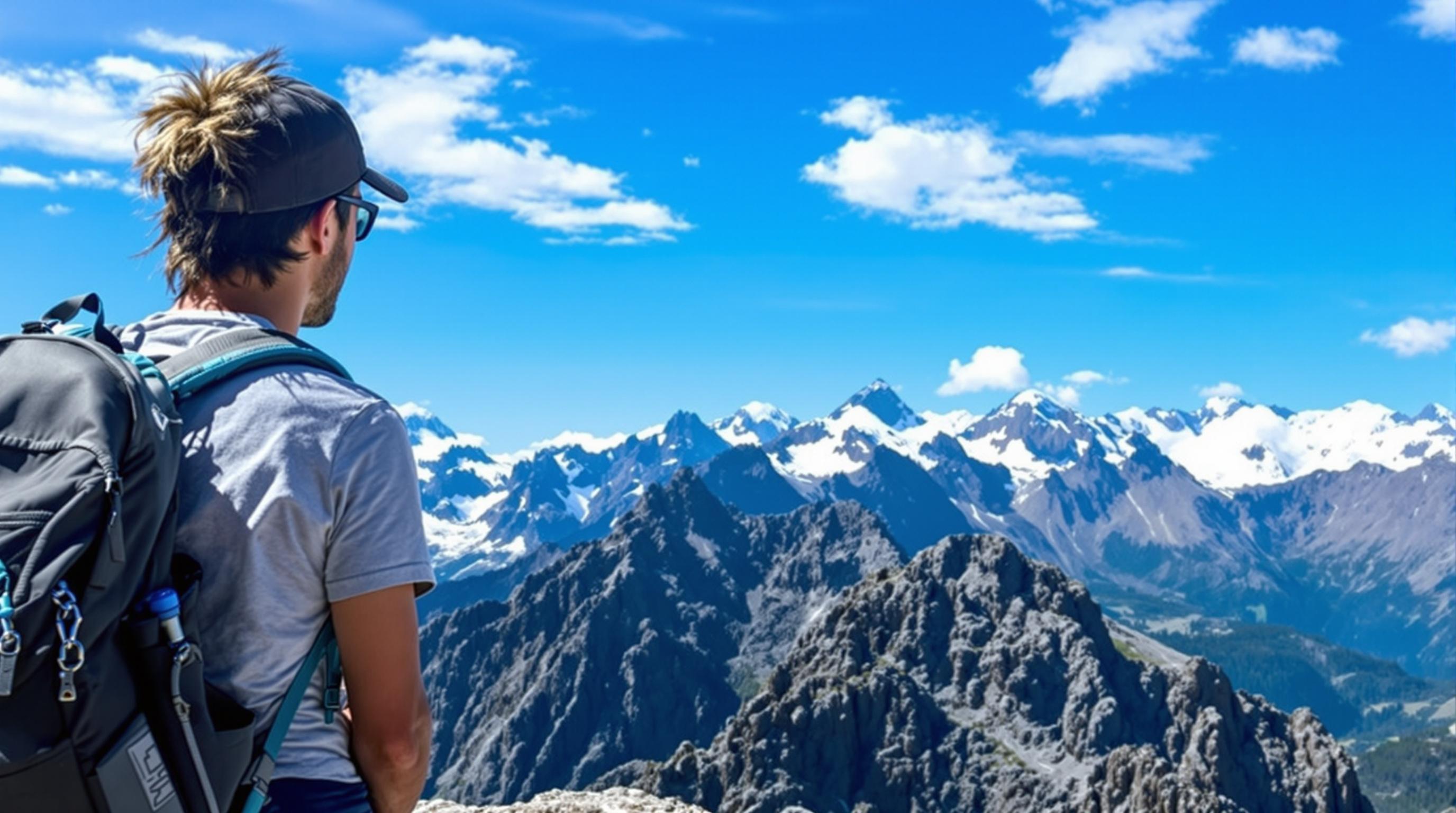
Enter the backpacking community—the adventurous souls with their eye on the horizon and their laptops in their backpacks. Imagine roaming the dusty trails of Patagonia or the lush green hills of Tuscany while simultaneously attending Zoom meetings. This bohemian lifestyle is gaining traction, and numerous boutique hostels and communities are tailored specifically for these warriors of the workspace who refuse to settle.
Case Study: The Rise of Co-Working Spaces
For instance, consider "Selina," a network of co-working and co-living spaces that has seen meteoric growth over the past few years. As of 2023, Selina reported a 75% increase in users since 2020, with many coming from the millennial and Gen Z populations looking to merge productivity with wanderlust. Their concept resonates well with backpackers who seek not just a place to crash but a productive space enclosed in a community framework.
Chapter 2: Breaking Down Community Barriers
The 21st century has ushered in an era where connectivity goes beyond digital pixels. Rural towns are beginning to welcome these nomadic workers with open arms, understanding the economic potential they bring—spending in local cafés, shops, and markets. A 2023 survey conducted by the Rural Nomad Network revealed that the influx of digital workers has increased local economies by up to 50% in small towns that have adopted flexible working facilities.
But how do these communities adapt? It’s less about changing the game and more about accepting the new players. Local governments are now recognizing the value in creating infrastructure that supports decentralized workplaces—like free Wi-Fi zones in public spaces, co-working hubs set in scenic locations, and even social initiatives promoting local events for networking.
Fun Fact: Buried in the Data
In a counter-intuitive twist, a study by the Harvard Business Review found that rural workers often demonstrate higher productivity than their urban counterparts. In fact, remote workers reported a 15% uptick in overall work output when operating outside urban environments. With fewer distractions and increased connection to nature, are we finally saying goodbye to the burnout culture of the old office days?
Chapter 3: Personal Stories, Collective Dreams
Let’s take a moment to step away from statistics and explore the human side of this phenomenon. Meet Jess, a 28-year-old digital marketer who decided to ditch the city grind for a year to roam the quaint villages of Japan. Jess documented her travels on YouTube, sharing how she found a local co-working space nestled between cherry blossom trees—an idyllic setting for brainstorming sessions. Her journey attracted over 300,000 followers, inspiring others to curate their own paths.
Stories like Jess's paint a vivid picture of what life can be for today’s rural nomads. It’s not merely about work; it’s about community. Backpackers are swapping office chit-chat for interactions with local artisans, tasting freshly brewed coffee while discussing the intricacies of local culture in cozy cafés. They’re building a bridge between digital commerce and traditional livelihoods, ultimately enriching both worlds.
Giving Back to the Community
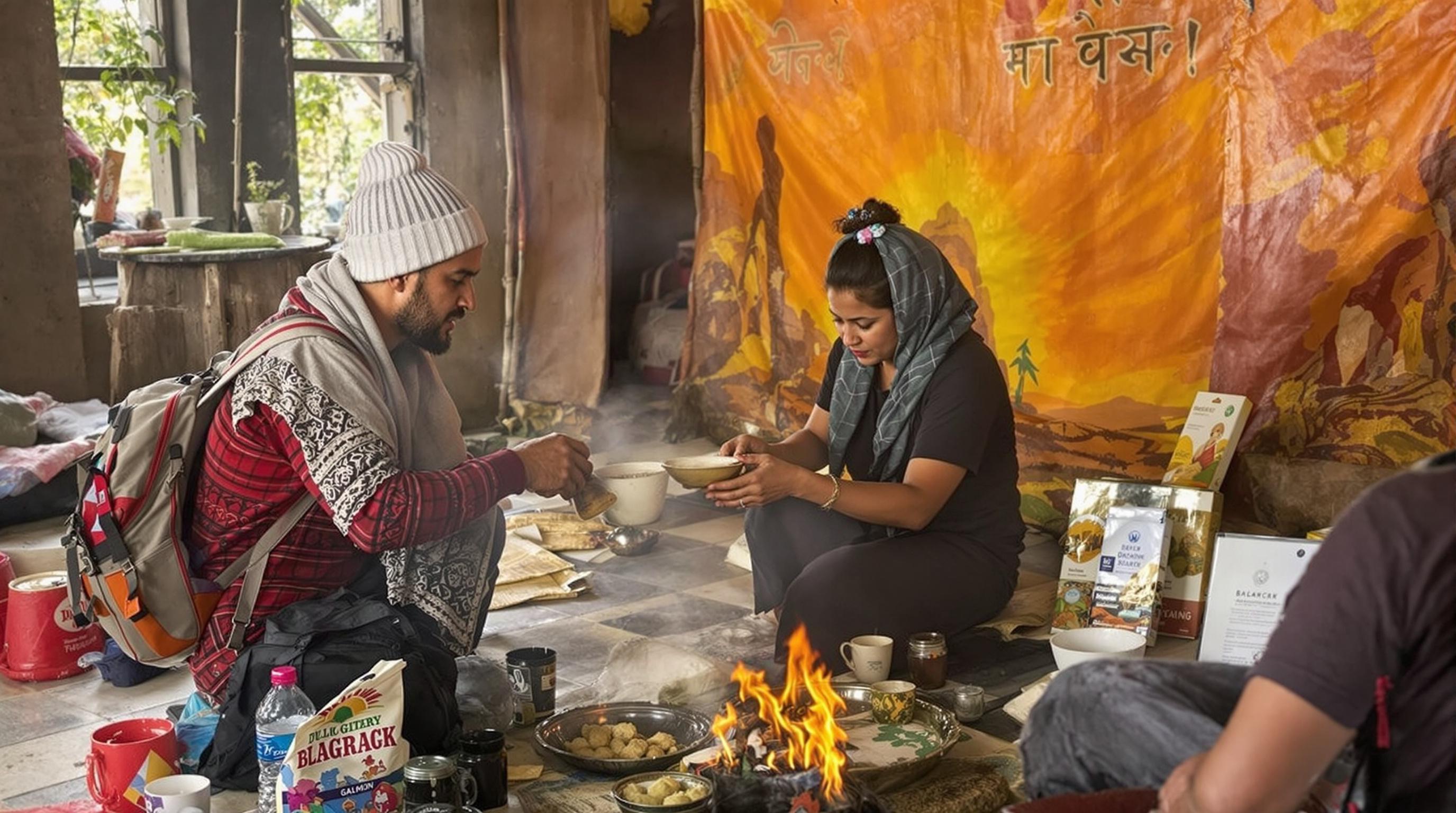
Many digital nomads are also choosing to give back. They volunteer at local NGOs or contribute their specialized skills to help local businesses grow online. A traveler in Nepal mentioned, “I taught a local restaurant to optimize their social media. In return, I got the best local meals I’ve ever tasted!” There’s a collaborative spirit blossoming akin to the communal barns of yesteryears—just with Wi-Fi instead of hay bales!
Chapter 4: The Elements of a Modern Backpacking Experience
As enticing as the concept may be, logistical headaches often accompany the nomadic lifestyle. Finding stable Wi-Fi, recharging devices, and dealing with time zone differences can feel overwhelming. However, organizations specializing in curating such experiences are stepping in to smoothen the process. Travel companies now offer packages that intertwine traditional travel with modern workspaces, following up with premium accommodations ideal for both work and rest.
The Perfect Blend of Work and Play
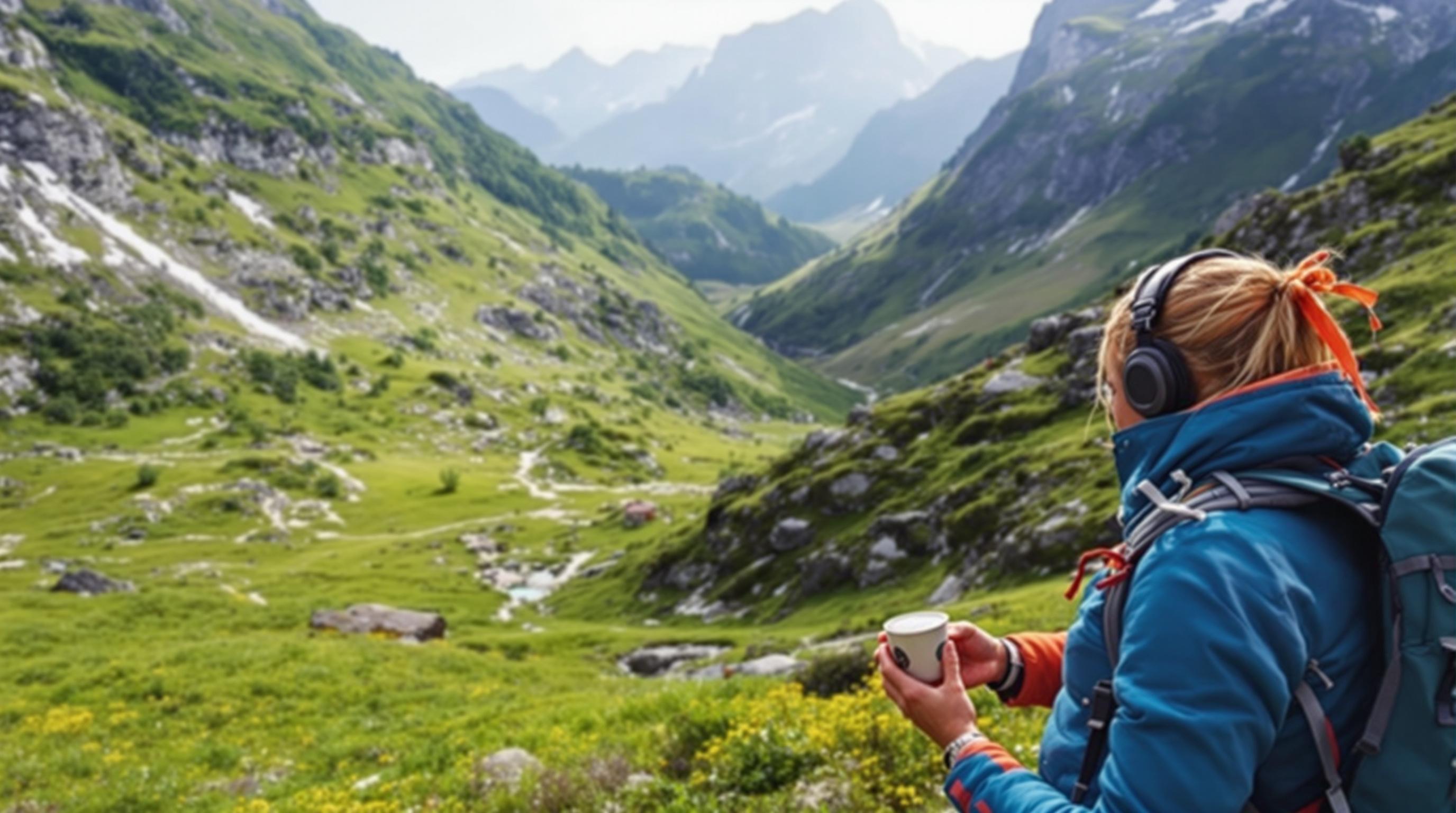
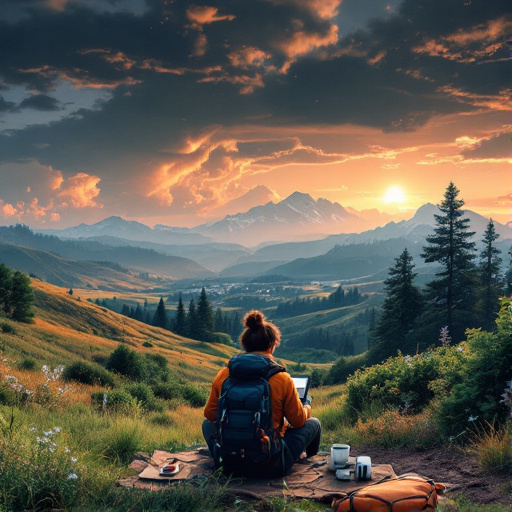
Imagine starting your day at a mountain cabin with your laptop perched on your lap, buoyed by the aroma of freshly brewed coffee. With the backdrop of snow-capped mountains and a to-do list demanding your attention, you achieve a balance that feels surreal. This “workcation” concept has turned into a booming travel niche. A 2023 report found that 42% of millennials intend to book a workcation in the next year alone, merging remote work with travel experiences.
Chapter 5: The Challenges Ahead
Of course, the lifestyle isn’t without its challenges. The digital nomad community faces significant issues such as time zones, inconsistent Wi-Fi, and sometimes a feeling of disconnection from one’s roots. A 2022 survey indicated that over 60% of digital nomads struggle with the feeling of isolation when traveling alone.
Finding the Balance
Experts suggest that part of the solution lies in finding the right balance—planning work days and social times effectively to minimize loneliness. Highlighting the importance of networking, many websites and apps have emerged offering “Nomad Meetups,” where digital workers converge for local events, hikes, or even coffee breaks. This “tribal” learning combined with shared adventures serves to bridge the gap between virtual collaborations and real-world experiences.
Chapter 6: Conclusion - A Path Forward
As we continue traversing this digital frontier, the merging of work and adventure seems both liberating and daunting. What we know for sure is that the rural nomad phenomenon will only become more significant as communities adapt and assist in shaping this evolving narrative. With more blendable lifestyles on the horizon, who knows—maybe the future will see constituents of modern-day office spaces overlooking stunning vistas of mountains and forests, where cubicles are replaced by campfires.
This journey towards a new kind of connection between work, community, and the spirit of adventure is just beginning. The pen is in your hand; it’s time to write your own unique story in the book of modern nomadism.
Read More