Related Articles
- Culinary Cartography: The Unexpected Foods Shaping Local Identity in Urban Landscapes
- Flavors of the Forgotten: Rediscovering Culinary Traditions in the Shadows of Modern Food Trends
- Palate Pilgrimage: The Unlikely Fusion of Ancient Rituals and Modern Local Fare
- Ecosystem Engineers: Celebrating the Role of Nature-Based Solutions in Transforming Eco-Travel Experiences
- Ghost Towns and Green Trails: Unearthing Sustainable Journeys Through Forgotten Landscapes
- Hidden Footprints: Decoding the Carbon Footprint of Digital Nomadism in Edging Towards Sustainable Getaways
The Unseen Benefits of Vagabonding: How Unstructured Travel Enhances Mental Health and Creativity
The Unseen Benefits of Vagabonding: How Unstructured Travel Enhances Mental Health and Creativity
Unstructured travel, often referred to as vagabonding, can remarkably enhance mental health and ignite creativity in ways that structured trips rarely can. This article delves into the unseen benefits of embracing a vagabond lifestyle, ranging from improved well-being to heightened imaginative prowess, supported by real-life examples and scientific insights.
The Freedom of Unstructured Travel
Imagine stepping into a world where your schedule is dictated by whimsy rather than a rigid itinerary. Vagabonding liberates you from the constraints of crowded tourist spots and pre-planned meals, allowing you to wander freely and engage with local cultures on a personal level. According to a study published in the Journal of Travel Research, travelers who embrace spontaneity experience higher levels of satisfaction with their trips. This is primarily because they immerse themselves deeply in the environments they explore, fostering a sense of belonging and connection, thereby benefiting their mental health.
Spontaneity Fosters Creativity
Have you ever found that the best ideas come when you least expect them? That's because unstructured travel paves the way for creative thinking. When your mind is free from routine, it becomes more receptive to new ideas. A study by the University of Utah found that individuals who engage in activities that release them from their everyday constraints—like vagabonding—experience a significant boost in creative problem-solving skills. This is because your brain taps into the 'default mode network,' a brain state activated during daydreaming, which is essential for innovation.
Real-Life Examples: The Journey of Inspiration
Consider the case of Sarah, a graphic designer from California, who decided to take an indefinite sabbatical and roam across Southeast Asia. Without any particular agenda, she found herself volunteering at local art studios, participating in cultural festivals, and meeting fellow artists. Over the course of six months, her work underwent a dramatic transformation; she embraced vibrant colors and abstract forms, which she credits to the diverse influences she encountered. “I would never have accessed this part of my creativity if I had been tied to a strict itinerary,” Sarah reflected.
The Mental Health Benefits
Let's put on our 'scientist hats' for a moment. You might be surprised to learn that in a survey conducted by the Mental Health Foundation, nearly 70% of respondents reported feeling less stressed after taking a vacation. While traditionally structured vacations provide respite, unstructured travel allows for a kind of decompression that goes deeper. Think of vagabonding as a profound mental cleanse—by removing the noise of modern life, your mind can better process emotions and anxieties.
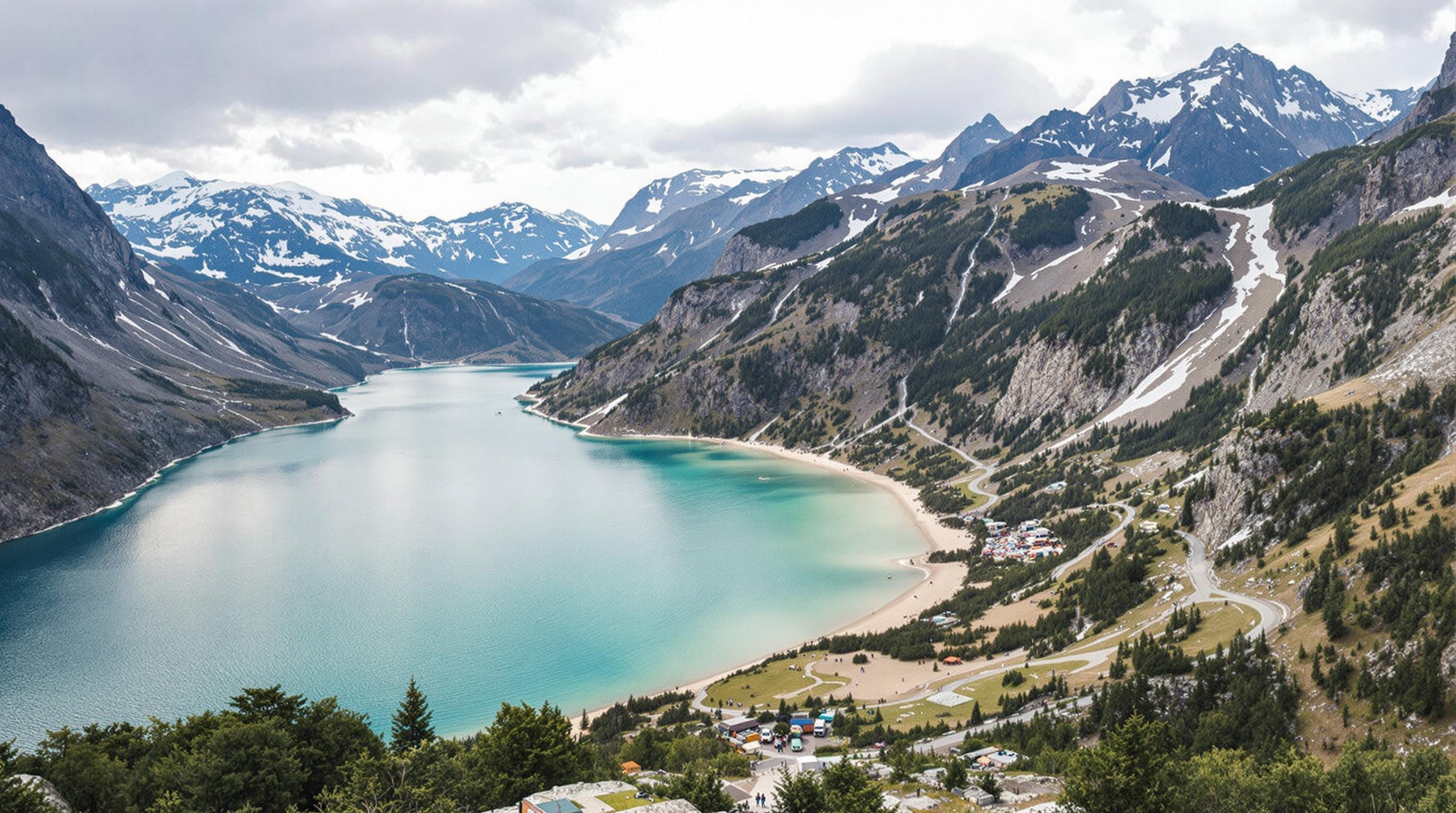
Moreover, the influence of nature cannot be overlooked. A study published in the Journal of Environmental Psychology indicates that spending time in nature significantly reduces stress levels and enhances mood. Imagine hiking through the lush rainforests of Costa Rica or walking along deserted beaches in Thailand, with the sun kissing your skin and the sound of waves lapping at the shore. These experiences are not just fleeting moments of joy; they contribute to a long-term sense of peace and well-being.
The Social Connection Factor
One unexpected aspect of vagabonding is the social connections that develop during unstructured travel. When you allow spontaneity to guide you, you are more likely to engage with locals and fellow travelers. This creates meaningful interactions that foster community and friendship. In fact, a 2019 study published in the journal Social Science & Medicine found that people who travel socially report a greater sense of belonging and self-worth, thereby enhancing their overall mental health.
Take Joe, a 27-year-old journalist who took a year off to travel through Europe with no destination in mind. He often stayed with locals he met on his journey or through Couchsurfing. Joe reported that these interactions not only enriched his experiences but also led to lifelong friendships and collaborations that bolstered his career. As he puts it, “I started my travel as a solo adventurer and ended it with a network of people who inspire me every day.”
Vagabonding and Mindfulness
Have you ever noticed how being somewhere new makes you more present? Vagabonding inherently encourages mindfulness—the practice of being fully engaged and aware in the moment. Studies show that mindfulness can alleviate symptoms of anxiety and depression. By engaging fully with your surroundings—whether through tasting street food in Bangkok or admiring the intricate architecture of Vienna—you cultivate a deeper appreciation for the world, promoting psychological well-being.
The Statistics Speak Volumes
To validate the connection between travel and mental health, a Harvard study concluded that individuals who travel regularly tend to have lower levels of anxiety and depression. This underscores the importance of incorporating travel into your routine for longevity and improved quality of life. If you're a parent, consider how much you could enrich your child’s life by allowing them to experience the spontaneity of vagabonding. Trust me—it'll give them stories that textbooks just can't compete with!
Practical Tips for Embracing Vagabonding
No one wants to jump into vagabonding without some guidance. Start small—select a weekend to explore a nearby city with no pre-planned itinerary. Pack light, stay curious, and embrace flexibility. Make space for serendipity, whether that’s stumbling upon a hidden café or chatting with a local artist.
Also, consider joining online vagabonding communities on platforms like Facebook or Reddit where seasoned wanderers share tips and personal stories. The wisdom of people who have embraced unstructured travel can be invaluable for your journey.
The Risk of Over-Scheduling
Let’s face it: travel can sometimes become another task on your to-do list. According to a report from the Travel Industry Association of America, over 50% of travelers feel anxiety due to meticulous planning and scheduling. Vagabonding pulls you out of that pressure cooker, allowing you to dive into experiences that you might have otherwise missed.
Why Age Doesn’t Matter
Whether you're 16 or 70, vagabonding has something to offer. For the young traveler, it becomes a rite of passage—a way to learn about life, oneself, and the world in an authentic manner. For older individuals, it’s an opportunity to break free from routine, rediscover passions, and connect with young minds. Remember, the only limit is your own desire to explore.
Coping with Challenges
However, vagabonding isn’t all sunshine and rainbows. Challenges—like language barriers or unexpected situations—can arise and may feel daunting. Nonetheless, overcoming these obstacles cultivates resilience. According to a report by the American Psychological Association, resilience is critical to mental health and can be developed through real-life challenges. Traveling unrestrictively forces you to think on your feet, enhancing your coping skills.
Conclusion: Go Explore!
So, whether you are a student yearning for adventure during your gap year or someone in their 60s ready to rediscover life’s magic, unstructured travel is invaluable. The unseen benefits of vagabonding, from better mental health to boosted creativity, are profound and far-reaching. So, gather your courage, pack your bags, and let spontaneity guide you on adventures that can change your life forever!
Read More