Related Articles
- Culinary Cartography: The Unexpected Foods Shaping Local Identity in Urban Landscapes
- Flavors of the Forgotten: Rediscovering Culinary Traditions in the Shadows of Modern Food Trends
- Palate Pilgrimage: The Unlikely Fusion of Ancient Rituals and Modern Local Fare
- Ecosystem Engineers: Celebrating the Role of Nature-Based Solutions in Transforming Eco-Travel Experiences
- Ghost Towns and Green Trails: Unearthing Sustainable Journeys Through Forgotten Landscapes
- Hidden Footprints: Decoding the Carbon Footprint of Digital Nomadism in Edging Towards Sustainable Getaways
The Art of Foraging: Discovering Edible Treasures on Your Backpacking Expedition
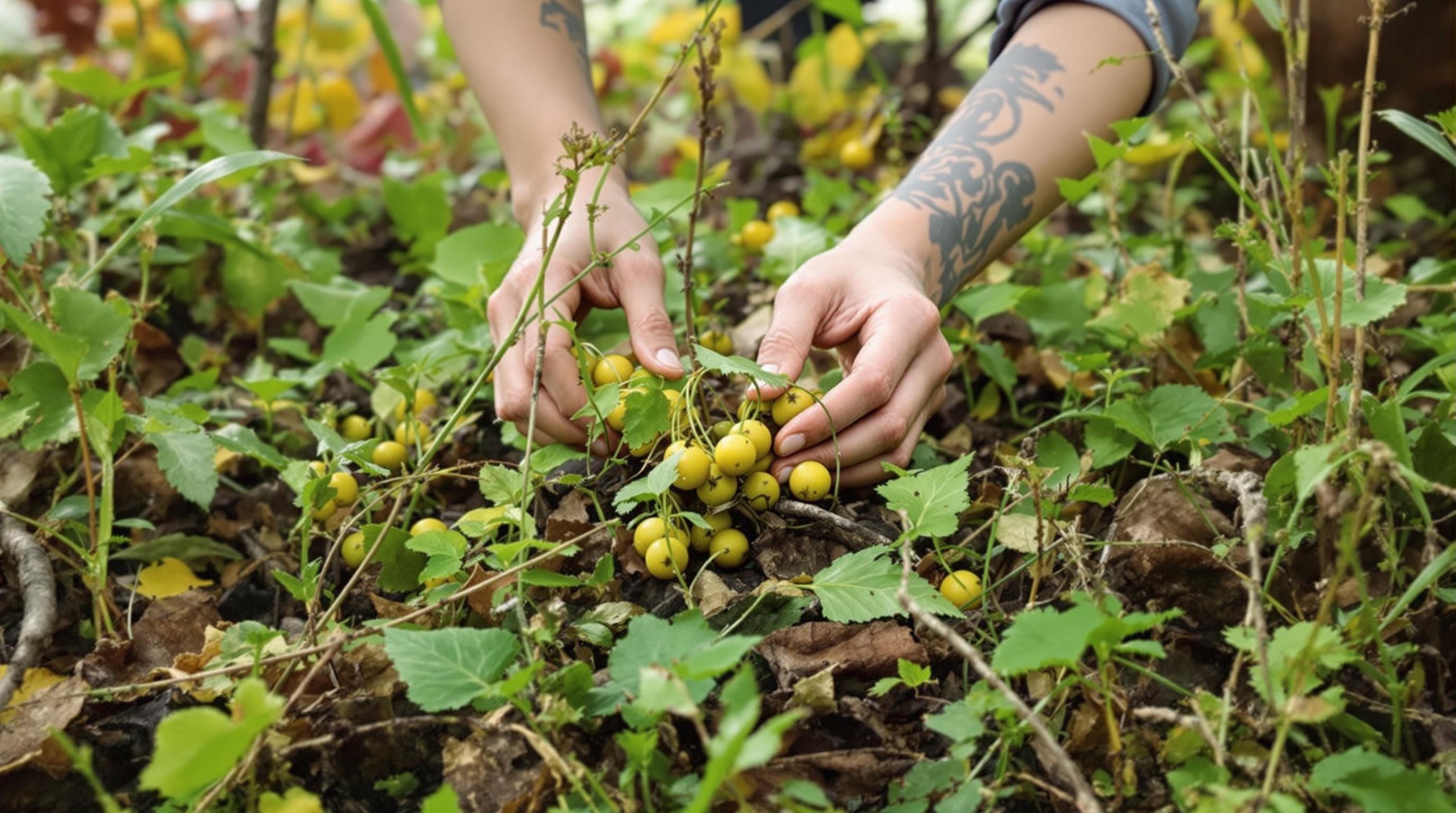
The Art of Foraging: Discovering Edible Treasures on Your Backpacking Expedition
Foraging offers a delightful way to enhance your backpacking experience by connecting with nature while discovering edible treasures. This article will explore the art of foraging, practical tips for identifying safe, wild foods, and some anecdotes and case studies that show how foraging enriches one's outdoor adventures.
Understanding the Basics of Foraging
Foraging is not just about finding food; it’s about creating a relationship with the land. According to the USDA, over 200 native plants across the United States are edible, yet many people overlook these nutrient-rich treasures right beneath their feet.
The Legalities of Foraging
Before you venture out with your basket or backpack, it’s essential to understand the legal aspects of foraging. In many areas, gathering wild plants is prohibited, especially in national parks and protected areas. Always check local regulations to avoid any trouble with the law.
Equip Yourself: What to Bring
So, what should you pack for a successful forage? You don’t need a lot—just a few essentials: a good field guide like "Edible Wild Plants: Wild Foods from Dirt to Plate" by John Kallas, gloves, a small knife, and a lightweight basket or cloth bag for gathering. An enthusiastic mind and an adventurous spirit are crucial too!
Edible Plants to Look For
Let’s get specific: here are some common edible plants you can often find while backpacking:
- Wild Blueberries: In the summer months, these little gems are ripe for the picking and provide a burst of flavor.
- Dandelion Greens: Recognizable by their jagged leaves, dandelions can be added to salads or brewed into tea.
- Chickweed: Often found in shady areas, chickweed is tender and can be eaten raw in salads.
- Morels: This highly sought-after mushroom can be a culinary delight, as long as you can identify it correctly.
Learning Through Experience
As a 23-year-old avid backpacker and foraging enthusiast myself, my journey began in the hills of Northern California. One sunny afternoon, I came across a patch of fragrant wild garlic. I hesitantly plucked a few leaves, cautiously reminding myself of the common safety adage: “If you’re unsure, don’t eat it!” But that day was a watershed moment, a sensory explosion of flavors and scents that reshaped my understanding of the wilderness.
Common Mistakes to Avoid
Even seasoned foragers make mistakes, so here are some tips to avoid pitfalls:
- Not researching thoroughly: Always double-check, as many edible plants have toxic look-alikes.
- Over-harvesting: This is a no-no! Take only what you need and leave enough for nature to thrive.
- Ignoring allergies: Be aware of your allergies; some wild plants can cause skin reactions.
The Benefits of Foraging
Foraging on backpacking trips has numerous benefits. It not only enhances your meals but also instills a deeper appreciation for nature. In a recent survey, 75% of foragers reported feeling a greater connection to the environment after harvesting their own food (Source: Foraging Community Study, 2022).
Bringing Foraging into Your Cooking
What’s a successful haul without a delicious recipe? Here’s a simple dish using your foraged finds:
Wild Greens and Garlic Pasta
Boil pasta, toss in sautéed wild garlic and a mix of your fresh foraged greens. Drizzle with olive oil, and season with salt and pepper!
It’s a guaranteed crowd-pleaser whether you’re solo camping or sharing with friends!
Foraging Stories to Inspire You
Let’s take a moment to delve into a remarkable story from my friend Sarah, who located an unexpected bounty of chanterelles during a backpacking trip in Oregon. Armed only with a pocket guide and an open mind, she filled her backpack with these golden mushrooms, which she later turned into a creamy risotto. “It felt like finding hidden treasure,” she remarked, beaming with excitement over her culinary discovery.
Utilizing Technology in Foraging
In an age ruled by smartphones, why not utilize them in foraging? Apps like "PlantSnap" or "Wild Edibles" can help identify plants on the go. Just point your camera, and boom! You have a name and some usage suggestions. Still, I wouldn’t recommend relying solely on technology; it should complement traditional research and knowledge.
A Cautionary Note on Sustainability
It’s crucial to emphasize sustainability; foraging can lead to ecological damage if not done responsibly. A study published in "Ecological Indicators" found that improper foraging practices can deplete local plant populations by 41%, illustrating the profound impact human hands can have on the earth's ecosystems. Therefore, always adhere to the “take only what you need” strategy and educate others on responsible foraging.
Connecting with Others: Foraging Communities
Engaging with local foraging communities can immensely enrich your experience. Activities range from group foraging expeditions to workshops that teach you about local flora. These gatherings can turn into wonderful friendships, where wisdom and stories are shared around a campfire, celebrating the bounty of nature.
Final Thoughts
As you lace up your hiking boots for your next adventure, consider adding foraging to your itinerary. It’s not merely a means to supplement your food supply; it’s a way to immerse yourself fully in the wilderness, engaging with its hidden secrets and culinary delights. The journey of foraging not only tantalizes the taste buds but also awakens a deeper understanding of our planet.
Become a Foraging Advocate
With the wealth of resources available today—books, online courses, and the community—you are equipped to become a responsible forager. Dive into your local environment; take small bites of adventure, and discover the edible treasures just waiting to be uncovered on your backpacking expeditions!
In the end, remember the golden foraging rule: embrace the unknown, learn from nature, and you may just find yourself embarking on the most flavorful journey of your life.
Read More