Related Articles
- Culinary Cartography: The Unexpected Foods Shaping Local Identity in Urban Landscapes
- Flavors of the Forgotten: Rediscovering Culinary Traditions in the Shadows of Modern Food Trends
- Palate Pilgrimage: The Unlikely Fusion of Ancient Rituals and Modern Local Fare
- Ecosystem Engineers: Celebrating the Role of Nature-Based Solutions in Transforming Eco-Travel Experiences
- Ghost Towns and Green Trails: Unearthing Sustainable Journeys Through Forgotten Landscapes
- Hidden Footprints: Decoding the Carbon Footprint of Digital Nomadism in Edging Towards Sustainable Getaways
Navigating Ancestral Paths: The Rise of Cultural Pilgrimages Among Modern Adventurers
Navigating Ancestral Paths: The Rise of Cultural Pilgrimages Among Modern Adventurers
Cultural pilgrimages are emerging as a profound way for modern adventurers to connect with their roots, sparking a resurgence of ancient traditions. This article explores various facets of this trend, including its historical significance, the motivations behind it, and its impact on personal and collective identities.
Understanding Cultural Pilgrimages
At its core, a cultural pilgrimage is more than just a physical journey; it encompasses spiritual quests that connect individuals with their heritage and identity. As the late philosopher Aldous Huxley once phrased it, “Experience is not what happens to a man; it is what a man does with what happens to him.” Today, people are harnessing their experiences, turning them into journeys that explore their familial and cultural history.
The Historical Context
The tradition of pilgrimage dates back centuries. In many cultures, religious pilgrimages have served to strengthen communal bonds and foster a deep sense of belonging. The Camino de Santiago in Spain, for example, has attracted millions since the medieval ages, representing not just a religious venture but also a cultural journey tied closely to identity and self-discovery.
Interestingly, a study conducted by the Pew Research Center in 2021 noted that 51% of Americans expressed a desire to understand their ancestry, reflecting an increasing trend toward exploring personal roots. Such statistics indicate that our modern world is yearning for tradition amidst rapid globalization.
The Motivations Behind Taking the Leap
So what spurs someone to navigate the paths of their ancestors? For many, it is a quest for identity. In our fast-paced contemporary lives, marked by technology and shifting societal norms, individuals are frequently searching for a sense of belonging. Engaging in a cultural pilgrimage can deepen their understanding of familial ties, cultural values, and historical narratives.
Case Study: The Irish Diaspora
Take the Irish diaspora, for instance. Many Irish-Americans make the pilgrimage back to Ireland to trace their roots and reconnect with their heritage. A 2022 survey indicated that nearly 70% of them reported feeling a renewed sense of pride after their visits, highlighting the emotional significance many attach to these journeys. Such quests often lead to a deeper relationship with family members still residing in Ireland, establishing bonds that transcend geographical divides.
A Personal Anecdote
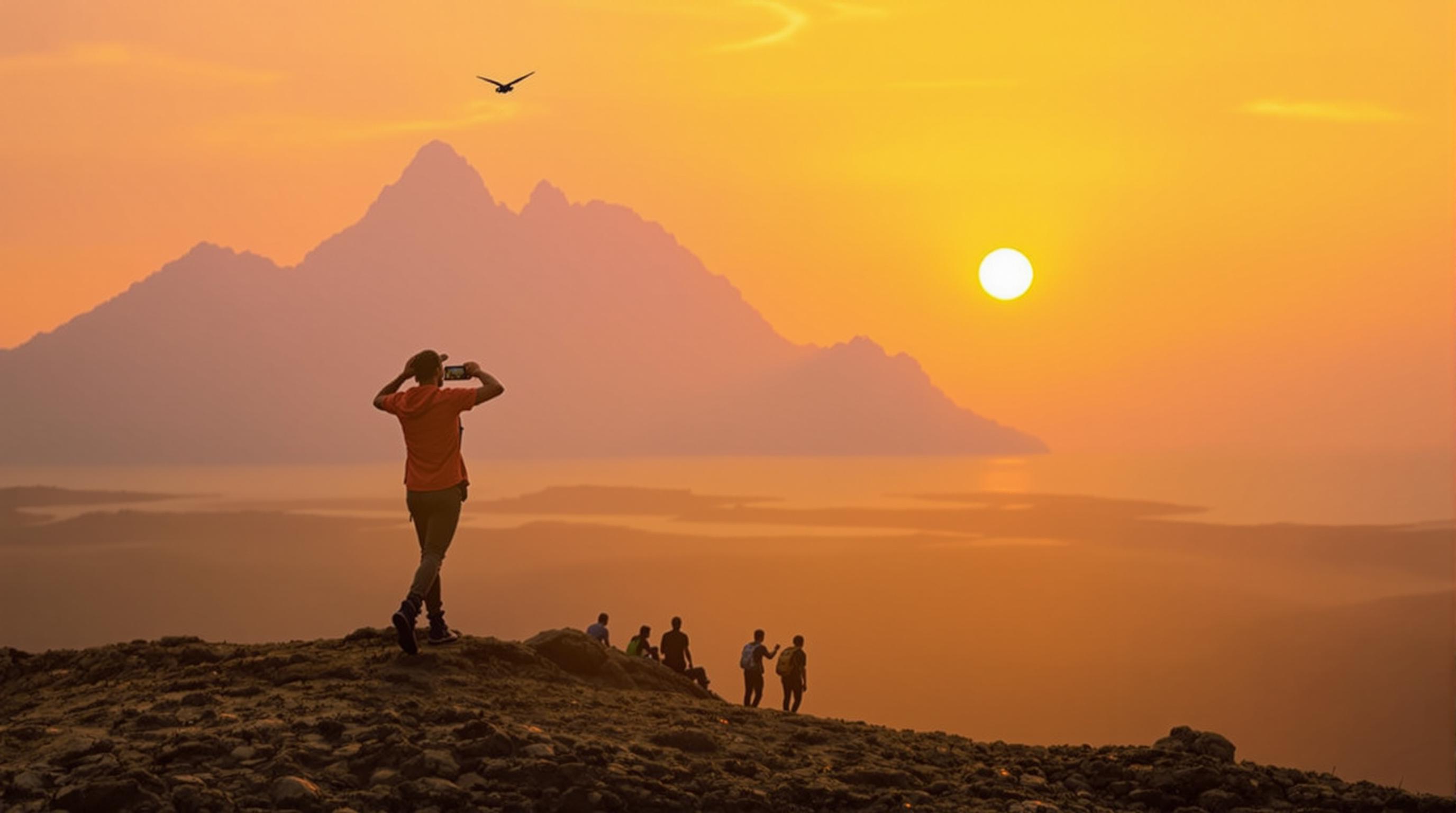
As a 28-year-old writer who embarked on such a journey myself, I can attest to the transformative power of cultural pilgrimages. Imagine me walking through the rugged hills of Italy, guided by a well-worn map that belonged to my grandfather. The sun would peek through ancient olive trees, casting shadows on weather-beaten stone walls as I stumbled upon a small village nestled in the valley. It was then that I began to feel a connection surge over me—a tangible link to traditions long gone.
Different Types of Cultural Pilgrimages
Cultural pilgrimages can be categorized in various ways. Some may focus on significant historical sites, while others might embrace more intimate, familial connections. Consider the Jewish custom of visiting ancestral towns in Eastern Europe, often referred to as “roots travel.” This journey can include visiting old synagogues, graveyards, and community centers where family legacies still resonate.
Statistical Insights
A study by the Travel Industry Association reveals that over 14 million Americans participated in ancestry-related travel in 2019, and that number has only grown. Nearly 55% of them reported feeling more connected to their heritage, showcasing that these journeys often yield profound psychological benefits.
Weaving Stories and Connections
One cannot underscore enough the storytelling aspect of cultural pilgrimages. During these journeys, travelers often find themselves immersed in local folklore, myths, and traditions. The act of sharing these stories not only reinforces the cultural significance but often leads to amusing misunderstandings and humorous anecdotes.
For instance, during a trip to my ancestral town, a misunderstanding at the local market led to me thinking “prosciutto” meant “thank you.” After a few bewildered looks and laughter later, I made a friend who still texts me recipes. It’s moments like these that punctuate the journey with joy, reminding us that even missteps can lead to connection.
The Psychological Impact
Psychologically, the act of embarking on a pilgrimage can also serve as a vital tool for self-discovery and healing. According to Dr. Judith Orloff, a psychiatrist and author, taking time to explore heritage allows individuals to confront both personal and cultural grief, potentially leading to catharsis. Many individuals have reported feeling alleviated from stress and anxiety after engaging in their cultural journeys.
Bridging Generational Gaps
This generation also sees an increasing number of families embarking on these journeys together. It creates a space where stories flow between grandparents, parents, and children, bridging generational gaps. Sharing tales around a campfire at the ancestral home can instill values and traditions in the younger generation, sustaining cultural heritage across ages.
The Influence of Social Media
Thanks to social media, the sharing of pilgrimage experiences has gained relentless momentum. Enthusiasts often post updates, photos, and stories about their adventures, snowballing interest in cultural travel among their peers. While some may criticize this digital capture of experience, it can serve as a platform for awareness and connection. According to a report by the World Tourism Organization, social media amplifies over 60% of modern travel inspirations.
The Future of Cultural Pilgrimages
As the world becomes increasingly interconnected, one cannot help but wonder about the future trajectory of cultural pilgrimages. Will they remain a popular facet of travel, or will they evolve into something new? Current trends suggest the rise of virtual pilgrimages, where people can engage with their cultural heritage through immersive 3D experiences. These may complement traditional journeys, enabling broader access while catering to those who feel unable to embark on a physical journey.
A Call to Action
For the readers out there, I encourage you to consider embarking on your ancestral exploration. It’s an adventure waiting to unfold, filled with rich narratives waiting for you to discover. Start small—research your family history, visit local libraries, or attend cultural festivals. Who knows? You may discover hidden gems in your lineage that will connect you with your ancestors in ways you never dreamed possible.
In Conclusion
Cultural pilgrimages represent a powerful reclaiming of identity and heritage in an increasingly complex world. The yearning for connection to our ancestors amid the chaos of modernity is a universal experience shared across generations. Whether you’re trekking the historic trails of the Camino de Santiago or visiting the homelands of your grandparents, embracing this trend can enrich your life with lessons from the past and inspirations for the future.
Remember—just as history breathes life into our existence, our journeys breathe life into history. So lace-up those hiking boots, grab a well-worn family photo, and start exploring the paths that have shaped who you are today.
Read More