Related Articles
- Culinary Cartography: The Unexpected Foods Shaping Local Identity in Urban Landscapes
- Flavors of the Forgotten: Rediscovering Culinary Traditions in the Shadows of Modern Food Trends
- Palate Pilgrimage: The Unlikely Fusion of Ancient Rituals and Modern Local Fare
- Ecosystem Engineers: Celebrating the Role of Nature-Based Solutions in Transforming Eco-Travel Experiences
- Ghost Towns and Green Trails: Unearthing Sustainable Journeys Through Forgotten Landscapes
- Hidden Footprints: Decoding the Carbon Footprint of Digital Nomadism in Edging Towards Sustainable Getaways
Beyond the Backpack: Unveiling the Surprising Psychosocial Impact of Solo Ventures in Nature's Embrace
Beyond the Backpack: Unveiling the Surprising Psychosocial Impact of Solo Ventures in Nature's Embrace
Exploring the outdoors alone can transform one’s mental and emotional landscape, revealing both the strengths and vulnerabilities of solitude. This article delves into the multifaceted psychosocial consequences of solo ventures in nature, from fostering resilience to battling loneliness.
Understanding the Impact of Nature
Spending time in nature has become increasingly vital in our digital age, where screens dominate our lives. A study from the University of Exeter found that spending at least two hours a week in a natural environment can significantly boost our physical and mental health (White et al., 2019). Nature therapy is not just an emerging trend; it is based on evidence that attests to the nourishing qualities of outdoor experiences.
The Counterintuitive Solitude
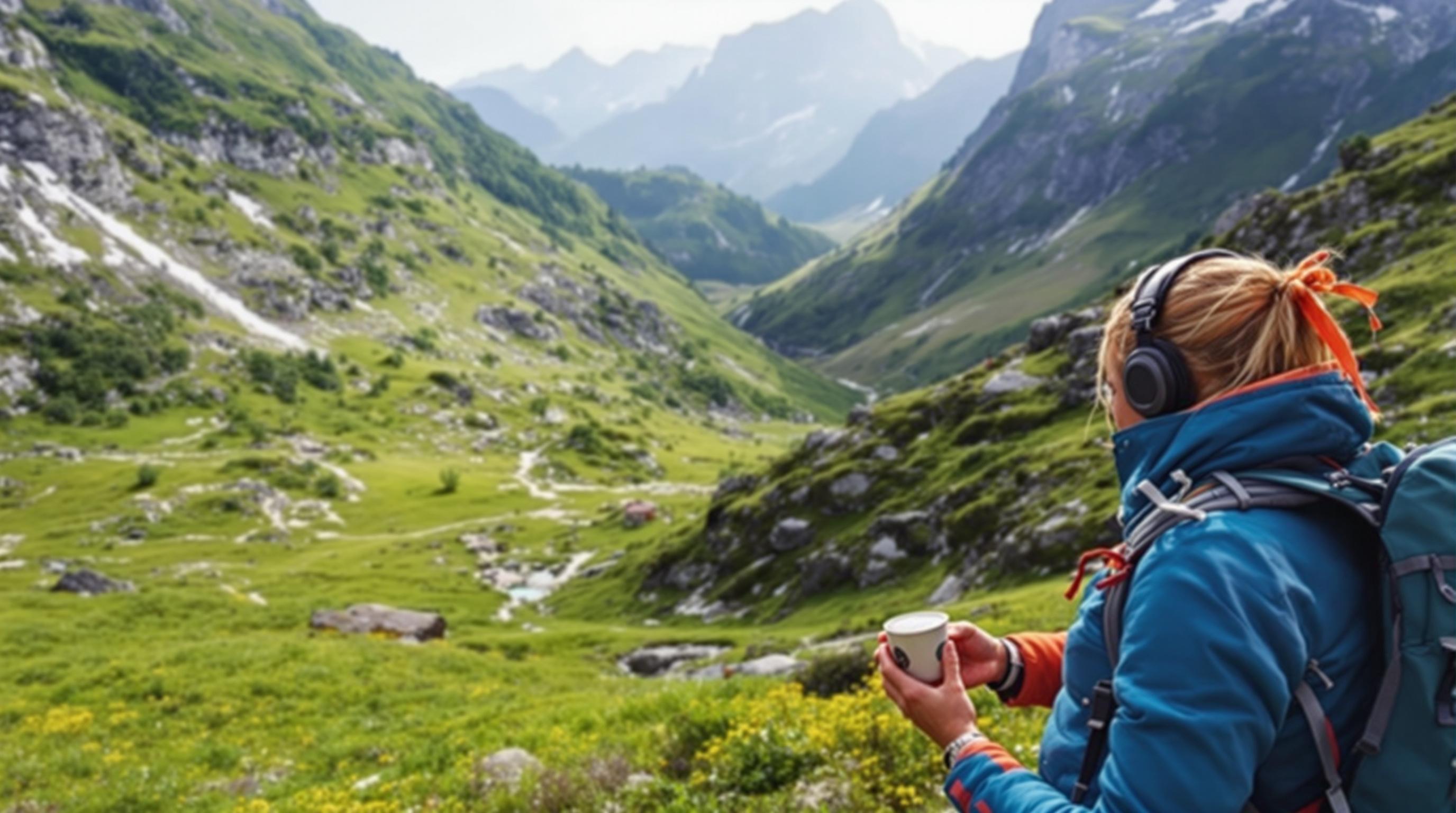
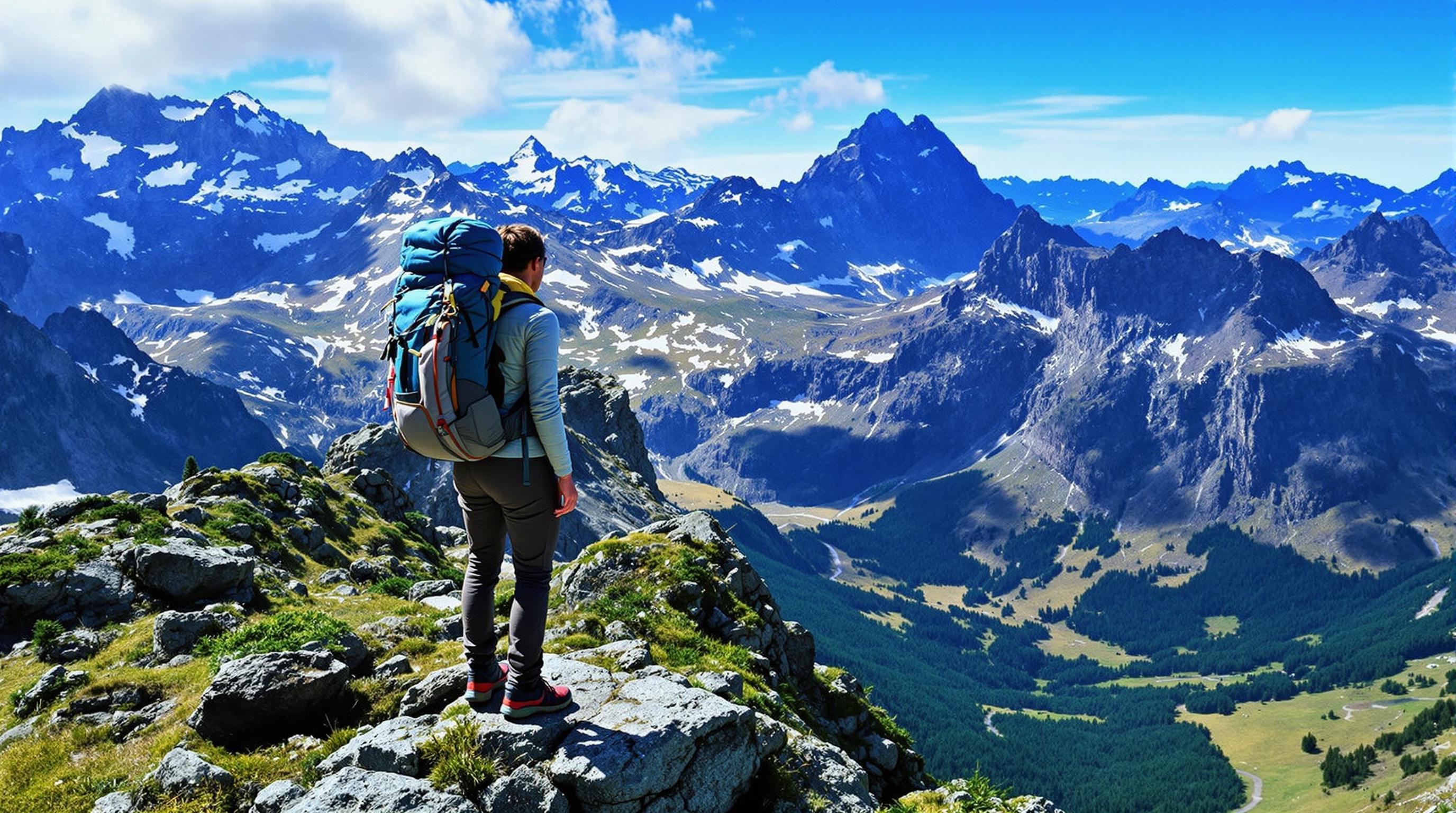
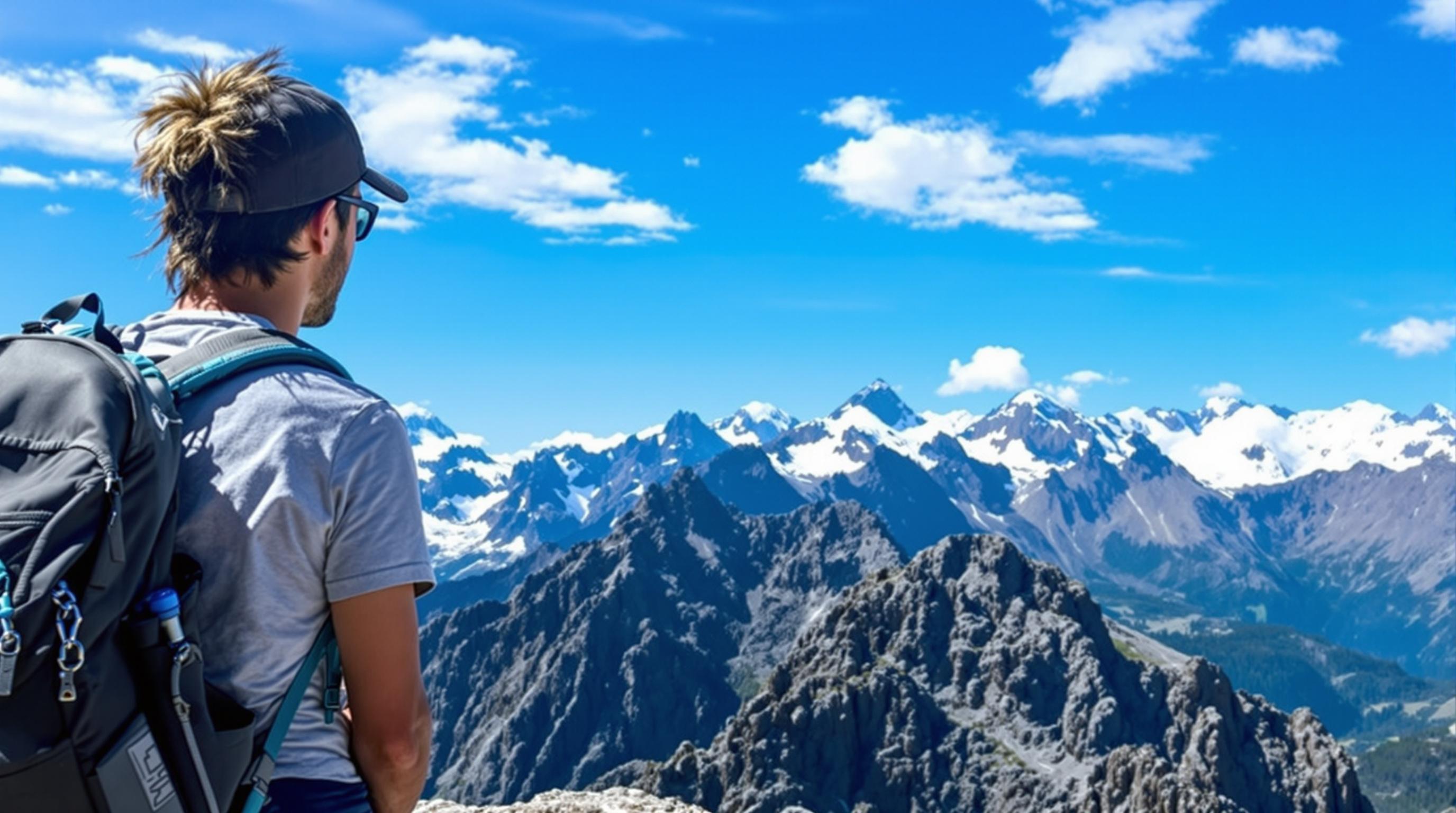
Imagine this: you're hiking up a mountain alone; the wind gently brushes your face, and your heart is racing from the physical exertion. You might expect loneliness, but what often comes instead is a profound sense of connection—both to the environment and to oneself. In fact, many who embark on solo adventures report feelings of empowerment. Jessica, a 25-year-old solo traveler, captured this sentiment perfectly when she said, "The silence was loud, but in a comforting way—like the universe was reminding me of my place in it." As statistics from the American Psychological Association indicate, solitary outdoor excursions indeed foster self-awareness and emotional growth, with 60% of participants in a survey stating they felt more confident after returning from a solo trip.
An Unexpected Community
The perception of solitude as isolating is often challenged in nature. Interestingly, solo adventurers frequently find community through shared experiences. Online platforms, such as Meetup and Couchsurfing, have created avenues where solo travelers connect and share their adventures, fostering a sense of belonging even when hitting the trail alone. A 2020 survey found that 73% of solo travelers reported connecting with other hikers or campers during their trips, enriching their solitude with moments of camaraderie.
Rediscovering Personal Narratives
Each journey into nature presents an opportunity to rediscover stories tied to our lives. Whether you’re in a dense forest or on a vast beach, each step can be a process of unearthing memories, hopes, and even regrets. Dr. Lisa Larson, a psychologist with a background in outdoor therapy, shares: "When individuals confront the quiet of nature, they're often forced to confront the noise in their minds. This battle leads to greater clarity about one’s life narrative." Taking a break from the hustle of society can allow individuals, particularly young people navigating turbulent transitions, to reassess their life trajectories. It’s therapy wrapped in the embrace of towering trees and endless skies.
Fostering Resilience
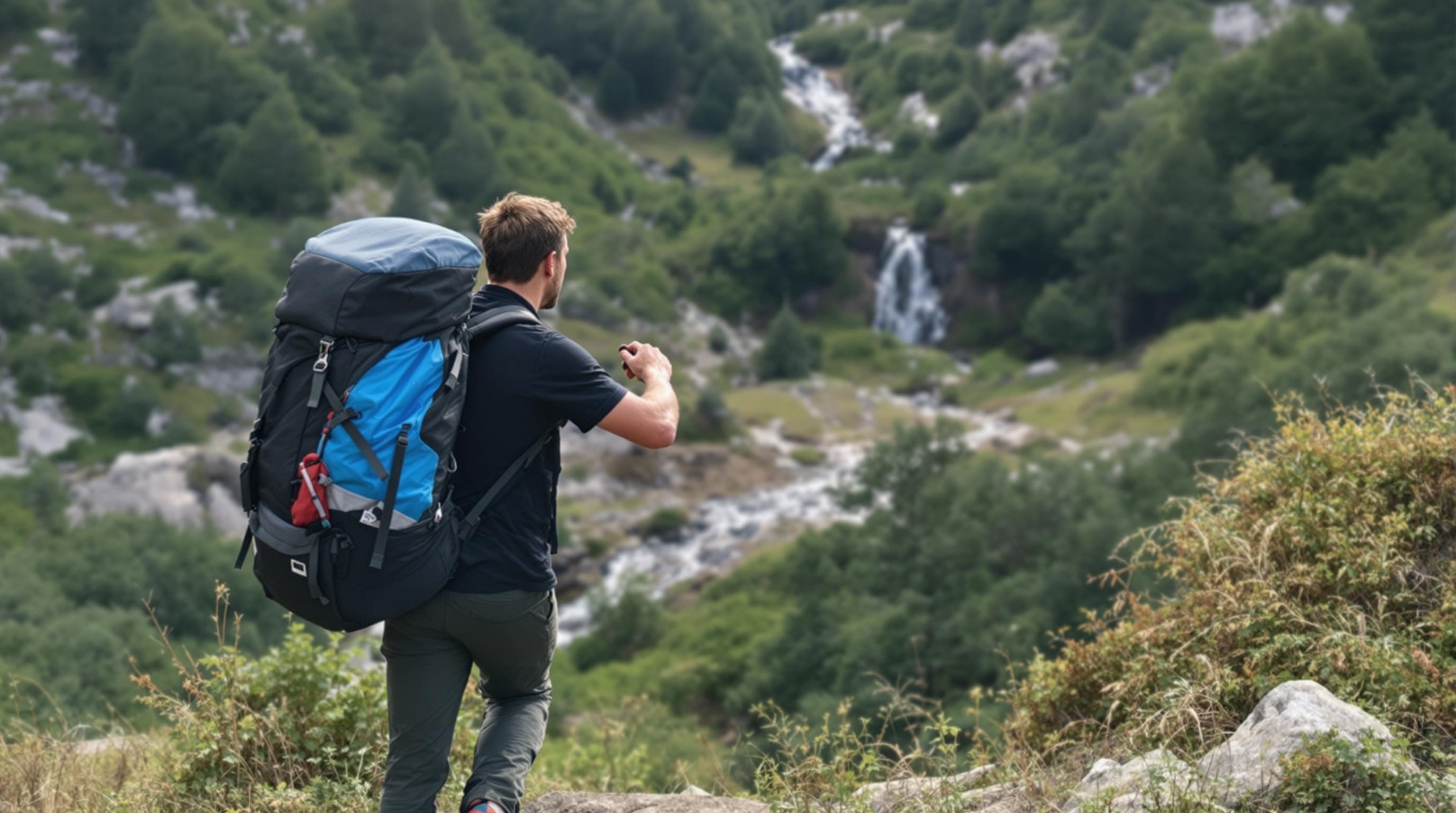
The unpredictability of wilderness can also nurture resilience among solo adventurers. Facing challenges—be it navigating through rugged terrain or surviving unexpected weather changes—individuals develop problem-solving skills and adaptability. An inspiring case is that of Sarah, who embarked on a 40-day solo trek across the Appalachian Trail. When faced with the daunting challenge of hypothermia due to a sudden snowstorm, she shared, "It was the hardest moment of my life, but I discovered the extent of my abilities. I learned to trust myself." This self-trust not only enhances confidence but also equips solo adventurers with coping strategies that extend beyond their time in nature.
Courage Against Loneliness
Ironically, many people pursue solo adventures to escape feelings of loneliness, only to find solitude magnifies these feelings. A 2021 study published in the Journal of Outdoor Recreation and Tourism highlighted that while solo trips can initially feel isolating, they teach individuals how to manage and understand their loneliness instead of shunning it. By confronting one’s own company, individuals often find a new level of introspection, paving the way for healthier relationships with themselves and others.
The Funny Side of Solo Adventures
It’s not all serious. Let’s not forget about the humorous escapades that often accompany solo ventures! Ever try to set up a tent without help while it’s windy? Comically challenging! A friend of mine, Tom, once lost a game of tug-of-war with his tent. Let’s just say it didn’t end well for him—tent stakes were flying, and ultimately, he surrendered to the elements. But moments like these make the journey memorable and often serve as great stories to share later.
Sparking Creativity through Nature
The great outdoors has long been a muse for artists, writers, and thinkers. Solitude in nature enables a kind of creative thinking that stifled city life often suppresses. A statistic from the Creative Education Foundation revealed that 86% of creative professionals attribute a significant part of their inspiration to time spent in nature. Taking a moment to sketch by a riverbank or jotting down thoughts in a notebook by a campfire can unleash unforeseen creativity. Who knows? The next bestseller or transformational art piece could be just a nature walk away!
Risk and Reward: Assessing Safety Concerns
While the benefits of solo outdoor ventures are abundant, safety is paramount. There’s wisdom in preparation: having a robust plan, sharing your itinerary, and ensuring proper equipment can make the difference between a delightful adventure and a dangerous situation. According to the National Park Service, during the summer months, solo hikers face a higher risk of accidents. Thus, educating oneself on basic survival skills and emergency communication devices is essential for ensuring a safe solo journey.
The Deep Connection with Nature
Nature has a rhythm that can often sync with our innermost selves, perhaps explaining why solo endeavors yield such rich psychosocial benefits. Whether listening to the rustle of leaves or observing the stars' dance, there’s an inherent meditative quality in solo hiking. Emily, a casual adventurer in her 50s, described her experience in the mountains: “There’s something profoundly grounding about observing nature's grandeur alone. It's a humbling reminder that I’m just a speck in a vast universe.”
Transforming Difficulties into Growth
As we’ve discussed, adventures in nature don’t always yield smooth sailing. They’re rife with challenges that test our limits. Yet, therein lies the irony—navigating these obstacles often catalyzes personal growth. Research has shown that encountering difficulties equips individuals with emotional resilience, bolstering one’s ability to handle future adversities. As one study participant remarked, "Each challenge became a stepping stone, not just for endurance, but for my inner strength.”
Intergenerational Perspectives on Solitude
The impact of solo adventures can vary widely across different age groups. For teenagers, nature can serve as an escape from peer pressures and academic stress, while older generations might find solace as a reflection of their life’s journey. My ailing grandmother took up solo gardening as a way to reconnect with herself. "I needed to face my own burdens while nurturing life around me," she said. There's an undeniable psychological value in these intergenerational interpretations of solitude and nature.
Conclusion: Embrace the Journey
In conclusion, solo ventures in nature do much more than take us away from the clutches of modernity—they serve as a vital avenue for emotional growth, creativity, and resilience. The transformative power of solitude amidst nature can illuminate personal truths and foster connections with both ourselves and the world around us. So, whether you're young or old, next time you consider taking a break, pack that backpack—it’s not just about the view; it’s a chance to reframe your experience, confront your truths, and embrace the journey of self-discovery.
Ultimately, the tales spun in the quiet hours of fishing under the stars or at the peak of your first mountain climb are irreplaceable treasures—a testament to the surprising psychosocial impact that solo ventures in nature’s embrace can have on our lives.
Read More