Related Articles
- Culinary Cartography: The Unexpected Foods Shaping Local Identity in Urban Landscapes
- Flavors of the Forgotten: Rediscovering Culinary Traditions in the Shadows of Modern Food Trends
- Palate Pilgrimage: The Unlikely Fusion of Ancient Rituals and Modern Local Fare
- Ecosystem Engineers: Celebrating the Role of Nature-Based Solutions in Transforming Eco-Travel Experiences
- Ghost Towns and Green Trails: Unearthing Sustainable Journeys Through Forgotten Landscapes
- Hidden Footprints: Decoding the Carbon Footprint of Digital Nomadism in Edging Towards Sustainable Getaways
Journeying Through Time: How Vintage Travel Methods Are Making a Comeback in Modern Exploration
Journeying Through Time: How Vintage Travel Methods Are Making a Comeback in Modern Exploration
As modern explorers seek more authentic experiences, vintage travel methods are unexpectedly making a comeback. From classic bicycles to steam trains, these modes of transportation not only tell stories of bygone eras but also offer unique perspectives of the world today.
Why Vintage Travel? An Exploration of Nostalgia
You know that feeling when you find an old photo album at your grandparents' house? The sense of nostalgia is almost palpable, a reminder of simpler times and unfiltered adventures. Many modern travelers are craving that same feeling, leading a renaissance in vintage travel methods.
According to a survey by Booking.com, 72% of travelers expressed a desire for more unique and authentic experiences when they travel. This yearning creates a fertile ground for the revival of travel methods that resonate with history and tradition.
The Allure of the Train: A Journey Not Just to the Destination
In the age of high-speed trains and jet-setting, it might seem counterintuitive to choose the slow, winding route. However, as we embrace a more mindful form of travel, vintage trains are drawing enthusiasts globally. The Orient Express, for instance, has become a symbol of luxury, nostalgia, and a much slower lifestyle.
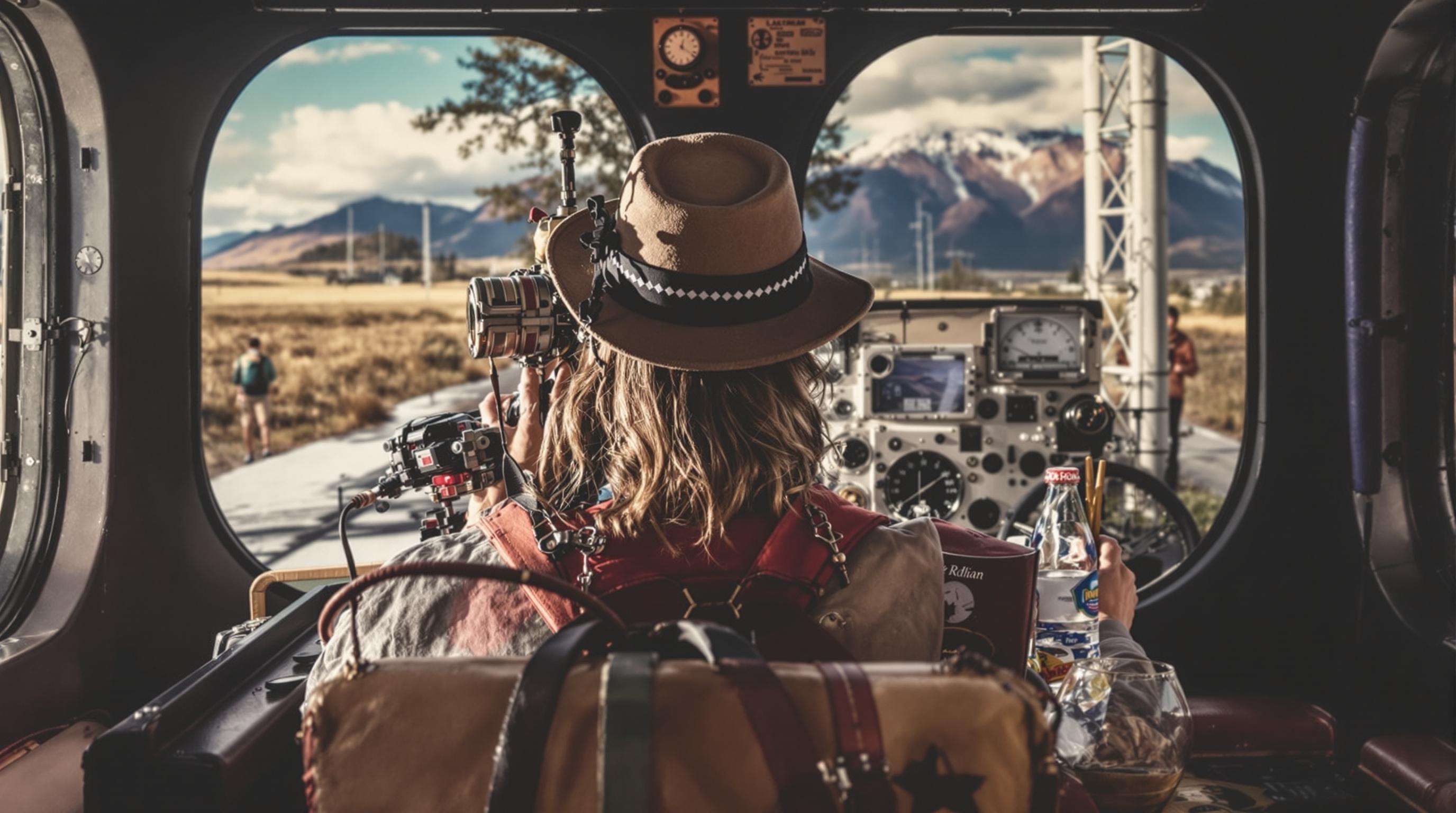
Imagine sipping a perfectly brewed espresso while gazing at the blurred countryside through quaint wooden windows. It feels almost like being transported back in time, where each mile covered unfolds a story of its own. The experience goes far beyond the destination; it’s about the journey, a sentiment often lost in our modern, speed-focused lifestyles.
Case Study: The Revival of Rail Travel in the UK
In the UK, heritage railways have seen a significant spike in interest. Since 2006, the Heritage Railway Association reported a 20% increase in visitor numbers to heritage railways across the country. Couples are choosing steam train journeys for romantic getaways, families are allured by themed adventures, and enthusiasts are reveling in the nostalgia of train travel.
This trend isn't just limited to Europe; train travel in various regions is experiencing similar growth. For instance, Amtrak’s excursions across America offer diverse experiences, from breathtaking views of national parks to the charming small towns that you would likely miss while rushing by in a car.
Bicycles: The Wheels of Change
Once a primary mode of transport, bicycles are finding their way back into the mainstream, and not just for fitness; they are becoming a preferred way for travelers to explore cities and landscapes. The rise in bike tourism is evident, with cities such as Amsterdam and Copenhagen leading the charge. Did you know that in Amsterdam, nearly 63% of residents use bicycles as their primary means of commuting?
What's amusing is that even in the U.S., attitudes toward bike travel are evolving. For instance, an organization called "People for Bikes" reported that in cities where bike infrastructure was improved, there was an impressive 20% increase in cycling among residents. This shift indicates that vintage methods of travel are not just for enthusiasts; they're becoming practical choices for daily life.
Stories from Modern Travelers: The Vintage Experience
Catherine, a 28-year-old travel blogger, recounts her experience cycling through the vineyards of Bordeaux. “It was magical!” she exclaimed. “You could stop anywhere, sample local cheeses, and really immerse yourself in the culture.” Her experience is not singular; many travelers echo sentiments of heightened engagement and interaction with their settings when using vintage modes of transport.
What about air travel? Casual conversations in coffee shops have revealed that many travelers, especially millennials, are increasingly considering road trips as an alternative to flights. Why? Aside from avoiding the hassles of airports, travelers enjoy the spontaneity and authenticity of stopping wherever they want—just like road trippers did in the 1960s!
Revitalizing Vintage Methods with Tech
“A classic bicycle doesn't come with all the gadgets we have today,” said John, a 46-year-old cyclist enthusiastic about vintage bikes. “But I've added GPS and other technology to my retro two-wheeler for a blend of the old and new.” It's remarkable how tech-savvy travelers find ways to merge past and present seamlessly.
Apps are available now that guide users to historic landmarks and hidden gems, whether they’re on a vintage bicycle or in a rented classic car. The synergy of technology and vintage travel is truly fascinating, allowing modern-day explorers to draw upon rich histories while navigating the modern world with ease.
The Role of Sustainable Travel
Another significant factor in the resurgence of vintage travel methods is the growing concern for sustainability. The Intergovernmental Panel on Climate Change (IPCC) reported that travel contributes a substantial 8% of global greenhouse gas emissions. This alarming statistic has prompted travelers to rethink their modes of transport.
Bicycles are eco-friendly, steam trains emit less energy per passenger, and vintage cars, when maintained properly, have a smaller carbon footprint than modern vehicles. Many travelers now consciously choose these methods as a way to minimize their environmental impact, making eco-leisure a priority.
Community-building through Vintage Travel
It's not just about individual experiences either; vintage travel methods also promote community. Vintage car rallies, bicycle tours, and steam train excursions often attract like-minded enthusiasts who come together to share stories, insights, and even friendships. Community-building is a significant advantage that modern travel methods often overlook.
As Lewis, a 37-year-old community leader passionate about train travel states, “When you gather people who appreciate something from the past, it fosters a unique environment. You build connections that are deeper than surface-level interactions.”
How to Embrace Vintage Travel Yourself
If you’re thinking about trying out vintage travel methods, consider these simple tips:
- Start Small: You don’t have to book a week-long vintage train journey. Even a day trip on a steam train or a bike ride can provide a glimpse into this nostalgic travel method.
- Research Local Options: Many regions offer vintage experiences right in your backyard. Look up local heritage railways or vintage car shows.
- Join Meetup Groups: Connecting with like-minded travelers can lead to exciting community events centered on vintage methods.
- Document Your Journey: Whether it’s through writing or photography, capturing your experiences adds depth to your travels and provides a way to share your story.
Incorporating vintage methods into modern exploration not only enhances one’s travel experiences but also invites deeper connections to our shared history.
The Future of Vintage Travel: What Lies Ahead?
The future of travel is excitingly unpredictable. As more travelers head to the road less taken, we are likely to see a resurgence of vintage methods mingling with modern techniques. Emerging trends might lead to the revival of traditional inns and vintage markets coupled with the latest technology. Who knows, we may even see digital nomads embraced by the quaint atmospheres of historic train stations and retro motels!
In conclusion, vintage travel methods not only tell a story of the past but weave into the modern narrative of exploration—a narrative that prioritizes connection over just convenience. So whether you’re pedaling a bicycle, leisurely stopping at scenic spots, or sipping tea aboard a vintage train, remember, you hold the key to unlocking a treasure trove of rich experiences that echo through time.
It’s a call to adventure. Are you ready to answer?
Read More