Related Articles
- Culinary Cartography: The Unexpected Foods Shaping Local Identity in Urban Landscapes
- Flavors of the Forgotten: Rediscovering Culinary Traditions in the Shadows of Modern Food Trends
- Palate Pilgrimage: The Unlikely Fusion of Ancient Rituals and Modern Local Fare
- Ecosystem Engineers: Celebrating the Role of Nature-Based Solutions in Transforming Eco-Travel Experiences
- Ghost Towns and Green Trails: Unearthing Sustainable Journeys Through Forgotten Landscapes
- Hidden Footprints: Decoding the Carbon Footprint of Digital Nomadism in Edging Towards Sustainable Getaways
Fictional Flights: How Imaginary Travel Destinations Inspire Real-World Adventures
Fictional Flights: How Imaginary Travel Destinations Inspire Real-World Adventures
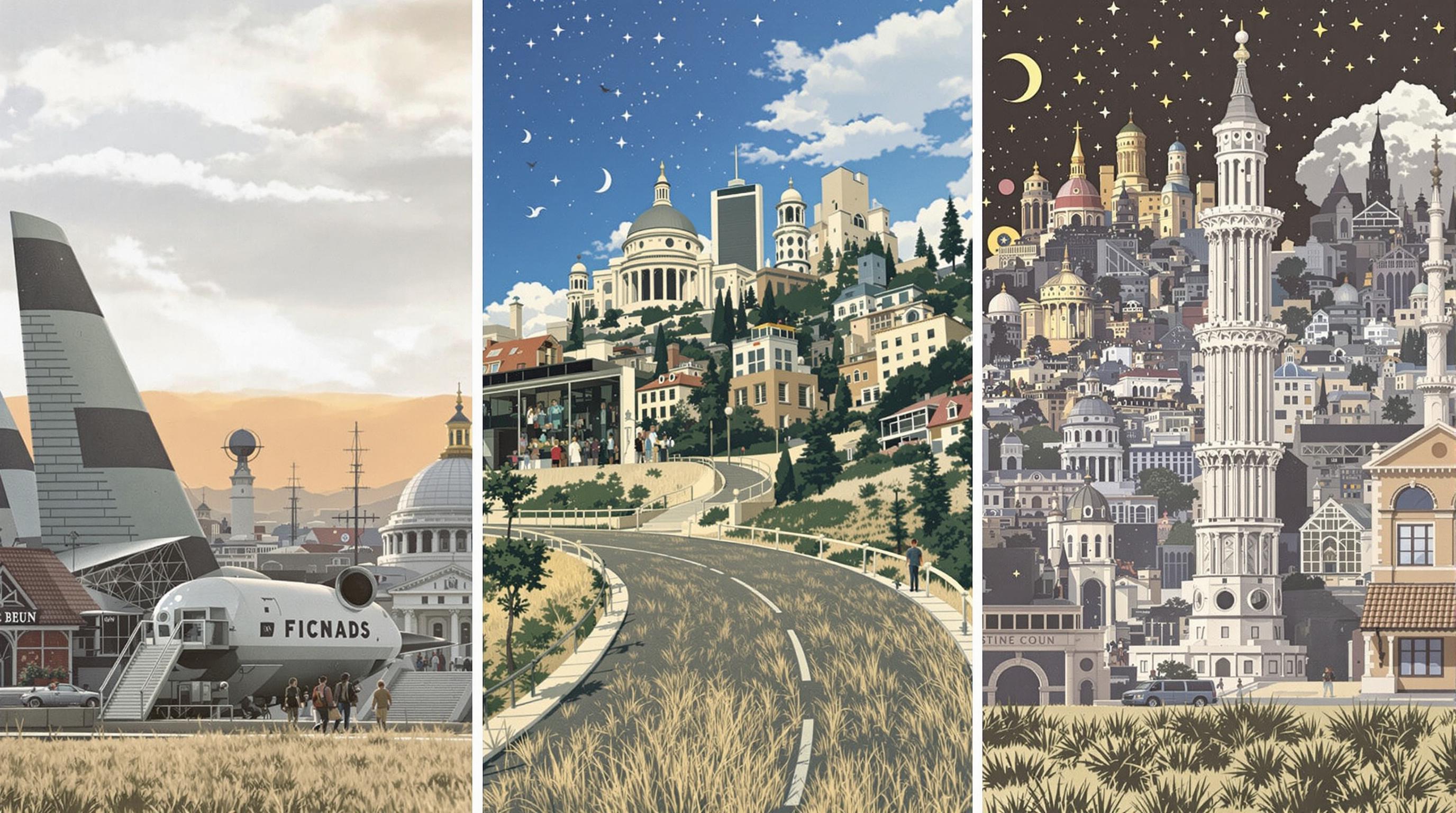
Fictional travel destinations have a unique power to inspire wanderlust and shape our real-world adventures. From the whimsical landscapes of Narnia to the haunting beauty of Middle-Earth, these imaginary worlds invite us to stretch our imaginations and embark on genuine explorations beyond the ordinary.
From Page to Reality: The Essence of Imaginary Destinations
As a 25-year-old travel enthusiast, I grew up flipping through the pages of books, losing myself in the breathtaking worlds created by authors like J.R.R. Tolkien, C.S. Lewis, and J.K. Rowling. Did you know that 90% of millennials want to visit places inspired by their favorite books? This fascination doesn’t just exist among the young; it resonates with readers of all ages, proving that when fiction travels, we’re eager to follow.
The Call of the Unknown: Fictional Landscapes that Spark Adventure
Some might scoff at the idea that a fictional place could influence where we choose to go on vacation, but the impact is undeniable. Take the famous "Hobbiton" in New Zealand, for instance. This real-life set from Peter Jackson’s “The Lord of the Rings” has become a pilgrimage site for fans all over the world. According to Tourism New Zealand, over 300,000 visitors flood the site every year, drawn by their dreams of living in a cozy hobbit hole.
Examples of Fictional Places and Their Real Counterparts
Consider the enchanting world of Harry Potter, which has influenced the creation of theme parks such as The Wizarding World of Harry Potter in Orlando, Florida. In 2022 alone, the park welcomed over 11 million visitors. Beyond the thrill of rides and butterbeer, fans often report that the experience transports them into the pages of their favorite books.
Fictional Travels: The Case of Atlantis
What about the legends of Atlantis? The lost city has captured imaginations for centuries. While no one knows its true location, the hope of discovering this mythical place drives researchers to explore underwater landscapes for clues. Recent statistics reveal that archaeological teams are diving into unexplored sites, fueled by the passion for uncovering what might just be a treasure trove of my mythology.
Why Fictional Travels Matter
So why do we crave these fictional adventures? It’s simple: They provide a sense of escapism. While our everyday lives can often feel mundane, the thrill of journeying to an imaginary world lets us break free from our routines. A study by the American Psychological Association found that engagement with fantasy worlds can enhance creativity and provide mental health benefits, such as reducing anxiety and increasing happiness. The fruits of these fictional journeys manifest in our lives, pushing us to explore, create, and dream bigger.
Transformative Experiences Inspired By Fiction
Take a moment to think about mighty Narnia. It was once said, “What you see and what you hear depends a great deal on where you are standing.” Many travelers have been inspired by the landscapes described in C.S. Lewis’s tales to seek out real-world equivalents. The Scottish Highlands, with their sweeping hills and dramatic lochs, serve as an apt backdrop for many tales of adventure one dreams of. A survey conducted by VisitScotland found that 70% of visitors were motivated to explore the Highlands after watching fantasy films or reading novels set in similar terrains.
The Human Connection: Shared Experiences Through Fiction
On a humorous note, have you ever tried to reenact a scene from your favorite book? Perhaps you stumbled into the woods wearing a makeshift cloak, hoping to channel your inner Gandalf. For me, this was a rite of passage as I donned my wizard costume while hiking in the mountains. Surprisingly, I wasn’t ridiculed but instead inspired a few friends to join. These shared experiences create a bond—who hasn’t spent a night in a tent recounting the most fantastical tales while roasting marshmallows? It’s as if the stories weave us together.
Ready, Set, Adventure!
Looking ahead, the future of travel will be shaped by both our experiences and aspirations. The rise of virtual reality (VR) allows us to step into these fictional worlds like never before. Imagine strapping on a headset and suddenly finding yourself amidst the lush landscapes of Pandora from “Avatar,” breathing in a world teeming with bioluminescent plants. This blurs the line between reality and imagination, allowing us to travel without limits.
Case Study: The Impact of Fictional Tourism on Local Economies
Similar to how “Hobbiton” flourished, many fictional destinations leave a substantial mark on local economies. A case study in Iceland found that tourism related to “Game of Thrones” filming locations led to a 35% increase in visits to the region post the show’s airing—boosting local businesses and inspiring a generation of travelers. The power of fictional places is not just in our dreams; they create jobs, invigorate communities, and foster cultural exchange.
Fiction Meets Reality: Personal Stories of Inspiration
Let me share a story from my travels: It was two summers ago when my best friend and I decided to explore the Scottish Highlands. Inspired by Lewis’s tales, we sought out the real-life landscape. The sun broke through the clouds as we reached a picturesque glen that seemed to leap right from the pages of a book. It was in that moment of breathtaking beauty, with the rugged mountains around us, that we truly understood the profound influence of fictional worlds on our reality. We sat by the water, recounting our own imagined tales of adventure and magic.
Turning Fiction into Action
Now it’s your turn. Whether you find yourself drawn to the high-energy excitement of dystopian cities or serene landscapes reminiscent of fantasy realms, let those stories motivate your next journey. Create travel itineraries inspired by your favorite reads; taste the fantasy through culinary explorations or immerse yourself in local traditions that echo the narratives you cherish. Traveling with those inspirations in mind enriches not only the experience but helps preserve the stories that continue to inspire generations.
Imaginary Trips: The Power of Dreaming
As I wrap up this exploration into the realms of fictional travel, I wish to leave you with a final thought: Every adventure begins with a dream. So, pick up that book, watch that film, or even dust off those sketches of imaginary worlds. Let your travels be guided by the tales you adore. Remember, if the real world feels too constrained, there are unlimited destinations waiting to inspire you from the pages of your imagination.
In a world filled with fleeting moments, fictional flights are our grand adventure waiting to happen. So, look forward to your next trip—who knows where the pages of imagination will take you?
Read More