Related Articles
- Culinary Cartography: The Unexpected Foods Shaping Local Identity in Urban Landscapes
- Flavors of the Forgotten: Rediscovering Culinary Traditions in the Shadows of Modern Food Trends
- Palate Pilgrimage: The Unlikely Fusion of Ancient Rituals and Modern Local Fare
- Ecosystem Engineers: Celebrating the Role of Nature-Based Solutions in Transforming Eco-Travel Experiences
- Ghost Towns and Green Trails: Unearthing Sustainable Journeys Through Forgotten Landscapes
- Hidden Footprints: Decoding the Carbon Footprint of Digital Nomadism in Edging Towards Sustainable Getaways
Unseen Waters: The Untapped Potential of Underwater Eco-Expeditions in Sustainable Travel Practices
Unseen Waters: The Untapped Potential of Underwater Eco-Expeditions in Sustainable Travel Practices
Underwater eco-expeditions are emerging as the next frontier in sustainable travel, offering people a chance to explore marine ecosystems while contributing to conservation efforts. This article delves into the untapped potential these expeditions hold for eco-tourism and sustainable practices, showcasing inspiring examples, the latest trends, and even a few laughs along the way.
A Dive into Statistics
Did you know that the global eco-tourism market is projected to reach $340 billion by 2027, according to a Business Wire report? A significant portion of this market growth is fueled by interest in marine-based travel experiences. Eco-expeditions are increasingly recognized for their potential to draw travelers, not just for fun but also to promote awareness of the delicate ecosystems beneath the waves.
The Call of the Coastline: A Personal Anecdote
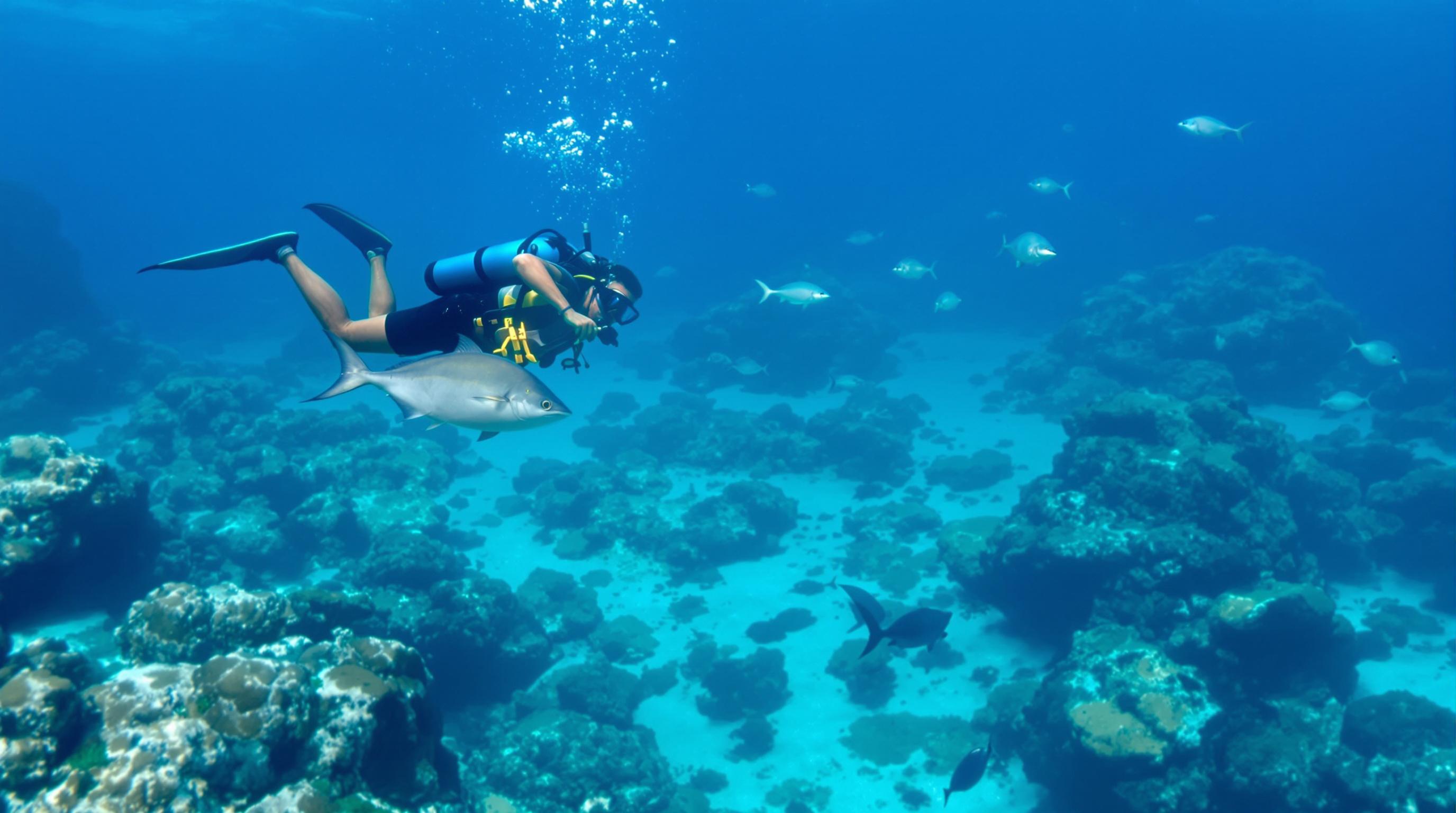
As an avid diver and environmental enthusiast, I can attest to the fact that there's something magical about immersing oneself in the ocean. One time, during a diving adventure off the coast of Belize, I encountered a vibrant coral reef teeming with life. A massive school of fish darted around me, and I felt like I was in a scene straight out of Finding Nemo. However, my initial excitement quickly turned to concern when I noticed the coral bleaching behind me. This experience starkly illustrated the importance of not just admiring, but actively participating in the conservation of these underwater wonders.
Ocean Conservation: The Bigger Picture
The ocean covers over 70% of our planet's surface and serves as a home to nearly 230,000 known marine species according to the World Wildlife Fund. However, anthropogenic pressures such as overfishing, pollution, and climate change pose dire threats to these ecosystems. Unseen waters represent not only a stunning landscape but also the frontline of conservation efforts where eco-tourists can play a role.
Hands-On Conservation: Case Studies from Around the Globe
Imagine partaking in a diving trip where not only do you stay in eco-lodges, but you also contribute to actual conservation projects. Such initiatives are already underway in places like Indonesia and the Caribbean. For instance, the Coral Triangle Initiative focuses on protecting marine diversity through community-based management and eco-tourism. The project has not only increased local income by introducing sustainable fishing practices but also engaged travelers in conservation efforts.
Unpacking the Expedition Experience
Underwater eco-expeditions can range from serene snorkeling trips to robust diving adventures, each promising a unique encounter with marine life. You might find yourself cleaning a coral reef in Thailand or discovering underwater caves in Mexico. These experiences allow you not only to witness the beauty but to be a part of the solution. And hey, who wouldn’t want to say they cleaned up a coral reef before lunch?
Why Go Underwater? The Adventure of a Lifetime
Let's face it; no one ever returned from a beach vacation and shared a story about the sand. However, imagine telling your friends about the magnificence of the ocean floor and the incredible creatures that call it home. Underwater eco-expeditions offer a once-in-a-lifetime chance to connect not only with nature but also with fellow wildlife enthusiasts.
Learning While Having Fun
Educating travelers about the importance of marine ecosystems is a crucial aspect of these expeditions. Many programs incorporate research components, teaching you about marine biology while you explore. Did you know that the closest relative to the jellyfish is the human? Talk about a conversation starter!
The Economic Impacts: Eco-Tourism in Numbers
The economic argument for underwater eco-expeditions speaks volumes. A report by National Geographic states that every dollar spent on eco-tourism can generate up to $10 in related economic impact for local communities. This means no matter how you look at it, eco-expeditions not only provide incredible experiences for tourists but also contribute significantly to local economies.
Perspectives of the Past and Future
While we have made strides in marine conservation, it’s essential to recognize the shifting perspectives surrounding it. As travelers increasingly seek out authentic, eco-friendly experiences, the demand for underwater expeditions continues to grow. This movement reflects a cultural shift towards valuing sustainable practices and acknowledges our responsibility as global citizens.
A Joking Reflection: What’s the Deal with Manta Rays?
Have you ever noticed how manta rays look like they've got it all figured out? They gracefully glide through the water, probably chatting about how they mastered the art of living sustainably. Meanwhile, here we are, struggling to remember if we have our reusable water bottle for the trip! If only we could channel their zen-like vibes in our eco-friendly endeavors.
Challenges Ahead
While the potential for underwater eco-expeditions is immense, several challenges require attention. The environmental enthusiasm in travel often faces hurdles such as over-tourism, where too many adventurers can harm delicate ecosystems. This paradox emphasizes the need for responsible travel practices and strict regulations that govern the number of visitors to certain areas.
Community Engagement: The Heart of Eco-Expeditions
Incorporating local communities into eco-expeditions is vital for creating sustainable impact. Travelers have the power to uplift local economies by choosing local guides, consuming local products, and directly contributing to conservation initiatives. Incorporating village experiences into itineraries offers a richer understanding of the local culture while promoting conservation efforts.
Adventure Awaits
So, are you ready to plunge into a world of vibrant corals, mystical sea turtles, and awe-inspiring marine conservation? Whether you’re 16 or 70, the wonders of underwater eco-expeditions await. Ready your snorkel, grab your wetsuit, and let the journey enchant you and the oceans!
Final Thoughts: Be Part of the Change
In conclusion, underwater eco-expeditions represent an extraordinary intersection of adventure, learning, and environmental stewardship. These experiences empower travelers to be proactive participants in the story of ocean conservation. So the next time you’re planning your vacation, remember: there are unseen waters just waiting for you to dive in, and by doing so, you can be part of something larger than yourself.
And remember: if a fish can swim in salty water without shedding a single tear, you can surely face your fears and take the plunge! Happy diving!
Read More