Related Articles
- Culinary Cartography: The Unexpected Foods Shaping Local Identity in Urban Landscapes
- Flavors of the Forgotten: Rediscovering Culinary Traditions in the Shadows of Modern Food Trends
- Palate Pilgrimage: The Unlikely Fusion of Ancient Rituals and Modern Local Fare
- Ecosystem Engineers: Celebrating the Role of Nature-Based Solutions in Transforming Eco-Travel Experiences
- Ghost Towns and Green Trails: Unearthing Sustainable Journeys Through Forgotten Landscapes
- Hidden Footprints: Decoding the Carbon Footprint of Digital Nomadism in Edging Towards Sustainable Getaways
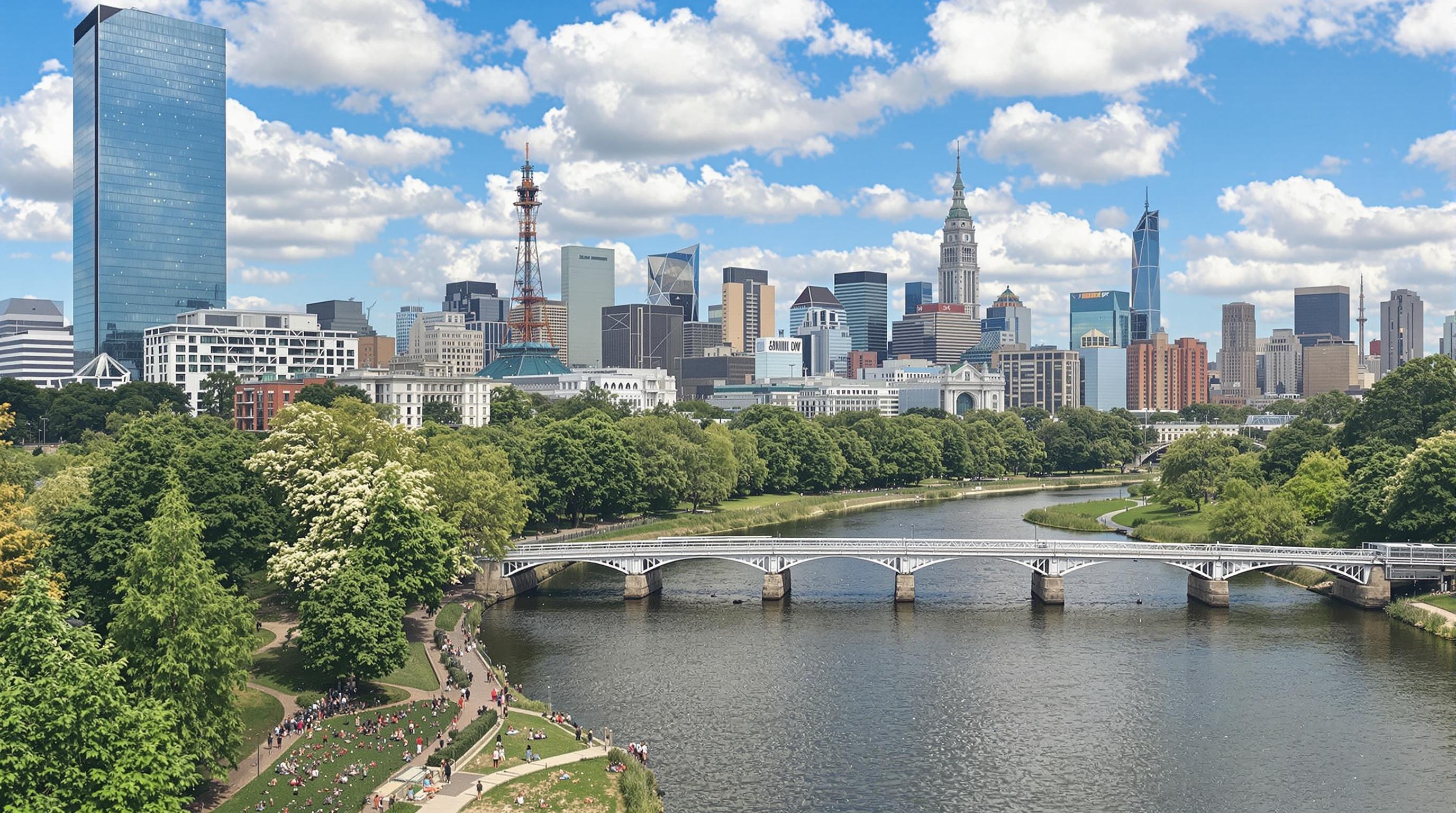
Revitalizing Urban Greenspaces: The Role of City Parks in Eco-Friendly Explorations and Local Wellbeing
Revitalizing Urban Greenspaces: The Role of City Parks in Eco-Friendly Explorations and Local Wellbeing
Revitalizing urban greenspaces enhances biodiversity, supports mental health, and strengthens community ties. This article explores how city parks contribute to eco-friendly explorations and local wellbeing, while presenting delightful stories, persuasive research findings, and a dash of humor along the way.
The Importance of Urban Greenspaces
Breathe in deeply: that’s the unmistakable scent of fresh grass, blooming flowers, and, curiously, the faint hint of a hot dog stand nearby. For many city dwellers, urban parks are the lungs of the community—a vital escape from the concrete jungle filled with steel structures and bustling crowds. Interestingly, a study found that people living within walking distance of a park are 27% more likely to report high levels of happiness (Parks & Recreation Journal, 2020). Who knew that happiness could be just a few strides away?
Statistics That Scratch the Surface
Did you know that approximately 68% of the world’s population is projected to live in urban areas by 2050? This rapid urbanization means our greenspaces are more vital than ever. Not only do they provide a refuge for wildlife, but they also serve as a hub for eco-friendly adventures, bringing communities together and promoting local wellbeing.
Case Study: Central Park, New York City
Let's head over to Central Park, one of the most iconic urban parks in the world. Spanning over 843 acres, this verdant oasis in New York City draws over 42 million visitors each year (Central Park Conservancy, 2023). It has also adopted sustainable management practices, such as using electric vehicles for maintenance and hosting events promoting environmental awareness. Central Park isn't just a pretty face; it actively plays a role in climate adaptation, reducing urban heat islands and managing stormwater runoff.
The Eco-Friendly Impact of Greenspaces
Think of urban parks as eco-friendly superheroes—offering not only a sanctuary for residents but also vital support for urban ecosystems. Through methods such as tree planting and native landscaping initiatives, city parks can enhance biodiversity and combat the often detrimental effects of urbanization. For example, a study by the National Recreation and Park Association revealed that green spaces contribute to the sequestration of 1.5 billion metric tons of CO2 annually in the U.S. alone (NRPA, 2021).
A Personal Touch: Local Stories
Now, let’s hear a story about Maria, a resident of Chicago. A few years ago, she would often feel disconnected and overwhelmed being surrounded by her city's hustle and bustle. After discovering her neighborhood park, she started visiting daily, engaging in yoga classes, attending local farmer's markets, and meeting like-minded individuals. With her newfound appreciation for urban greenspaces, she not only formed community bonds but also improved her mental health and fitness. Parks aren’t just patches of grass—they are life-changers!
The Role of Urban Design and Community Engagement
Engaging the community in the design and maintenance of urban parks fosters a sense of ownership and connection. From volunteer clean-up days to community garden projects, residents can actively participate in the ongoing development of their local greenspaces. Does it matter? You bet! Research by the University of Bristol indicated that communities involved in park management report increased social cohesion and a greater sense of belonging (Bristol University, 2022). Put simply: greener parks lead to greener relationships.
For the Love of Fun: Parks and Recreation
Now, who said greenspaces had to be all work and no play? In fact, city parks offer a playground of possibilities! From dog parks to adventure trails, urban greenspaces house recreational activities that bring joy and leisure to people's lives. Hit the trails for a jog, engage in aerial yoga, or even challenge your friends to a friendly game of ultimate frisbee. Remember, laughter is the best medicine—alongside clean air and the great outdoors!
The Healing Power of Nature
Research from the University of East Anglia shows that spending time in nature can reduce stress levels and foster a heightened sense of wellbeing. In fact, just 20 minutes in a green space can lead to significant decreases in cortisol levels (University of East Anglia, 2020). If only we could bottle that feeling! Imagine a stress-relief elixir made from a blend of park strolls, soft breezes, and bird songs. Who needs a fancy spa day?
Building Climate Resilience through Green Infrastructure
Urban parks are indeed crucial for enhancing climate resilience. They act as sponges during heavy rainfall, absorbing water and alleviating the risk of urban flooding. Furthermore, they naturally air-condition cities, providing shade that cools down neighborhoods during sweltering summer days. Parks are not merely an aesthetic luxury—especially in the face of climate change, they represent smart city planning.
Barriers to Greenspace Access
As we paint this upbeat picture of city parks, we must also address reality. Not all communities enjoy equitable access to greenspaces. Low-income areas often face barriers like limited funding for park maintenance, uneven distribution of green features, and a lack of community programming. We must advocate for inclusive policies that ensure every community has access to quality greenspace. Remember, the hustle and bustle of city life is best enjoyed when the fragrance of blooming flowers wafts through the air—so let’s make that a reality for everyone!
Policy Recommendations for Sustainable Urban Parks
To cultivate vibrant urban greenspaces and ensure they thrive, city planners must consider several key recommendations. Establishing strong public-private partnerships, creating dedicated budgets for park maintenance, promoting volunteer initiatives, and integrating green spaces into the fabric of urban planning can make all the difference. Cities should also focus on biodiversity, ensuring that native plant species are prioritized to foster sustainable ecosystems. After all, who doesn’t enjoy watching butterflies dance among the wildflowers?
A Playful Conclusion: Parks as Community Centers
As we wrap up this exploration, it's clear that city parks are much more than mere patches of green. They are dynamic centers that enrich community bonds, nurture relationships, and support ecological balance in densely populated areas. So next time you take a stroll through your local park, remember: you aren't just enjoying a leisurely walk, but actively participating in the revitalization of your community and the planet. On that note—where’s the nearest hot dog stand? Let's celebrate nature, friendship, and a healthy dose of laughter!
In Conclusion: Nature’s Call to Action
Our urban parks are beckoning us to step outside, reconnect with nature, and embrace the joys of community. By prioritizing greenspaces, we can foster a culture that celebrates inclusivity, environmental responsibility, and overall wellbeing. It’s a call to action that resonates from the deepest roots of the trees to the laughter of children playing on the grass. Let’s rise to the occasion, shall we?
Read More