
Related Articles
- Culinary Cartography: The Unexpected Foods Shaping Local Identity in Urban Landscapes
- Flavors of the Forgotten: Rediscovering Culinary Traditions in the Shadows of Modern Food Trends
- Palate Pilgrimage: The Unlikely Fusion of Ancient Rituals and Modern Local Fare
- Ecosystem Engineers: Celebrating the Role of Nature-Based Solutions in Transforming Eco-Travel Experiences
- Ghost Towns and Green Trails: Unearthing Sustainable Journeys Through Forgotten Landscapes
- Hidden Footprints: Decoding the Carbon Footprint of Digital Nomadism in Edging Towards Sustainable Getaways
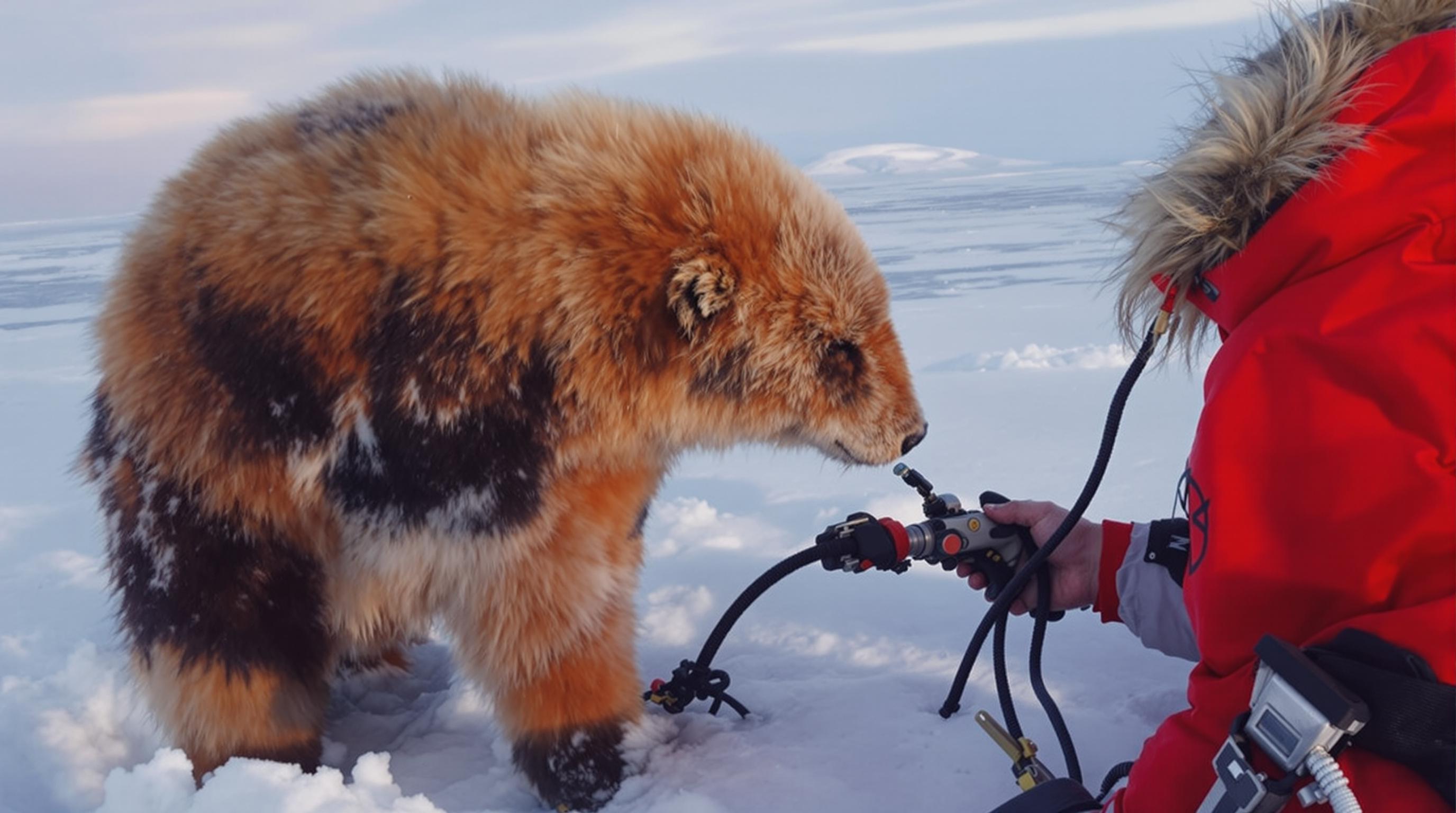
Polar Adventures: Navigating the Ethics of Wildlife Encounters in Remote Destinations
Polar Adventures: Navigating the Ethics of Wildlife Encounters in Remote Destinations
The thrill of polar adventures offers breathtaking encounters with wildlife in some of the world’s most remote destinations. Yet, navigating the ethical dimensions of these encounters is crucial to ensure both animal welfare and human responsibilities are upheld.
Understanding the Terrain and Wildlife
Polar regions, from the Arctic tundra to the frozen Antarctic, host an extraordinary array of wildlife adapted to some of the planet's harshest conditions. Here, polar bears take center stage in a world where sea ice serves as their hunting ground for seals. However, it's essential to remember that their delicate ecosystem is under threat due to climate change, resulting in a stunning 40% decline in the polar bear populations in certain areas since the 1970s (Polar Bear Conservation, 2022).
As travelers flock to these pristine environments, questions arise: How can we interact with wildlife in a way that promotes conservation rather than harm? The global tourism market for polar regions is projected to reach $3.2 billion by 2024 (Statista, 2023), emphasizing the need for responsible practices in wildlife tourism.
The Ethical Dilemma
In the stunning panorama of the polar landscape, a significant ethical question looms: Can we, as tourists, traverse these frozen realms without being invasive? To put it bluntly, the answer is layered. On one hand, wildlife tourism can generate vital funds for conservation and education, yet on the other, it can disturb natural behaviors, introducing stress to animals already facing existential threats.
Consider a case study of whale watching in the Arctic. While these tours offer extraordinary opportunities for observation, research indicates that boats can disrupt feeding patterns, as whales can flee or move to shallower waters when disturbed. A study by the Marine Mammal Science journal found that significant boat traffic led to a decrease in successful whale feeding times by nearly 25% (Gordon et al., 2021). Thus, it’s essential for tourists and tour operators alike to adhere to strict guidelines that limit interactions and protect wildlife.
The Role of Tour Operators
Tour operators play a significant role in setting the ethical stage. Those who prioritize the well-being of wildlife and educate their clientele about ecological sensitivity can greatly contribute to responsible interactions. An outstanding example is the International Association of Antarctica Tour Operators (IAATO), which has established guidelines that all member companies must adhere to, focusing on minimizing human impact on sensitive species and habitats.
The Ripple Effect of Responsible Tourism
Engaging in responsible wildlife encounters doesn’t just benefit the critters; it also provides tourists with meaningful experiences. An adventurous 28-year-old traveler, Sarah, recounted her exhilaration after witnessing a mother penguin nurturing her chicks in Antarctica. “It was life-changing. The moment was almost sacred, but it reminded me how fragile these animals are. I felt a moral obligation to spread awareness when I returned,” she shared.
When visitors become advocates for the places they love, they can influence positive changes in their own communities and promote conservation efforts worldwide. For instance, supporting local conservation initiatives not only contributes to the preservation of habitats but also allows travelers to directly connect with the region’s wildlife responsibly.
What Can Individual Travelers Do?
As individuals, there are several actions you can take to ensure your polar adventures are ethical. Here are some practical tips for your next journey:
- Research tour operators before booking—look for those with eco-friendly practices and positive reviews.
- Always maintain a safe distance from wildlife and follow your guide's advice.
- Be a responsible waste producer—pack in, pack out. Leave no trace!
- Educate others about the importance of protecting these fragile ecosystems.
The Humor in Conservation
Let’s take a moment to chuckle at the situation. You see, polar bears are perfectly adapted to their environment. They are not, however, adapted to tourist selfies. Imagine a bear with its paws in front of its face, exasperated because a tourist just asked it to “smile for the gram.” Such moments highlight the comical clash between human intrigue and animal instinct. Wildlife is not a backdrop for your Instagram story; it’s their home, and they deserve respect.
The Impact of Climate Change on Ethical Encounters
Climate change is not just a theoretical discussion; it’s happening now and influencing wildlife interactions. The unpredictability of ice melts or altered animal migration patterns makes wildlife encounters even more complex. According to the National Snow and Ice Data Center, Arctic sea ice has declined by about 13% per decade since the late 1970s. What does this mean for polar wildlife? Less hunting ground and more vulnerability.
Stories of Impactful Encounters
Let’s share a powerful story that underscores the impact responsible travel can have. A group of tourists aboard an eco-friendly ship in the Antarctic witnessed a dramatic iceberg calving. Instead of glee, silence descended. “Everyone felt so small in that moment,” remarked a 62-year-old retiree named Paul. “We understood the weight of climate change—not just as a theory but as a real consequence.” This shared experience fostered a dialog that ignited a passion for environmental advocacy among the tourists long after the trip ended.
A Call to Action
As the polar regions become increasingly threatened, engaging in ethical wildlife tourism is more critical than ever. Let this be a call to action—not just for travelers but for everyone who experiences the beauty and wonder of nature. By upholding ethical standards, making informed decisions, and spreading awareness, we wield the power to foster a future where wildlife thrives alongside human engagement.
Conclusion: Together We Can Make A Difference
In conclusion, our encounters with wildlife in polar regions should be revered and approached with care. By prioritizing ethical interaction, promoting responsible tourism, and acting as stewards of these environments, we can ensure that our polar adventures contribute positively to the ecosystems and animals we admire. Let each explorer venture forward not just as a tourist but as a protector of our planet's most fragile frontiers, knowing that the essence of adventure is intertwined with responsibility.
Read More