Related Articles
- Culinary Cartography: The Unexpected Foods Shaping Local Identity in Urban Landscapes
- Flavors of the Forgotten: Rediscovering Culinary Traditions in the Shadows of Modern Food Trends
- Palate Pilgrimage: The Unlikely Fusion of Ancient Rituals and Modern Local Fare
- Ecosystem Engineers: Celebrating the Role of Nature-Based Solutions in Transforming Eco-Travel Experiences
- Ghost Towns and Green Trails: Unearthing Sustainable Journeys Through Forgotten Landscapes
- Hidden Footprints: Decoding the Carbon Footprint of Digital Nomadism in Edging Towards Sustainable Getaways
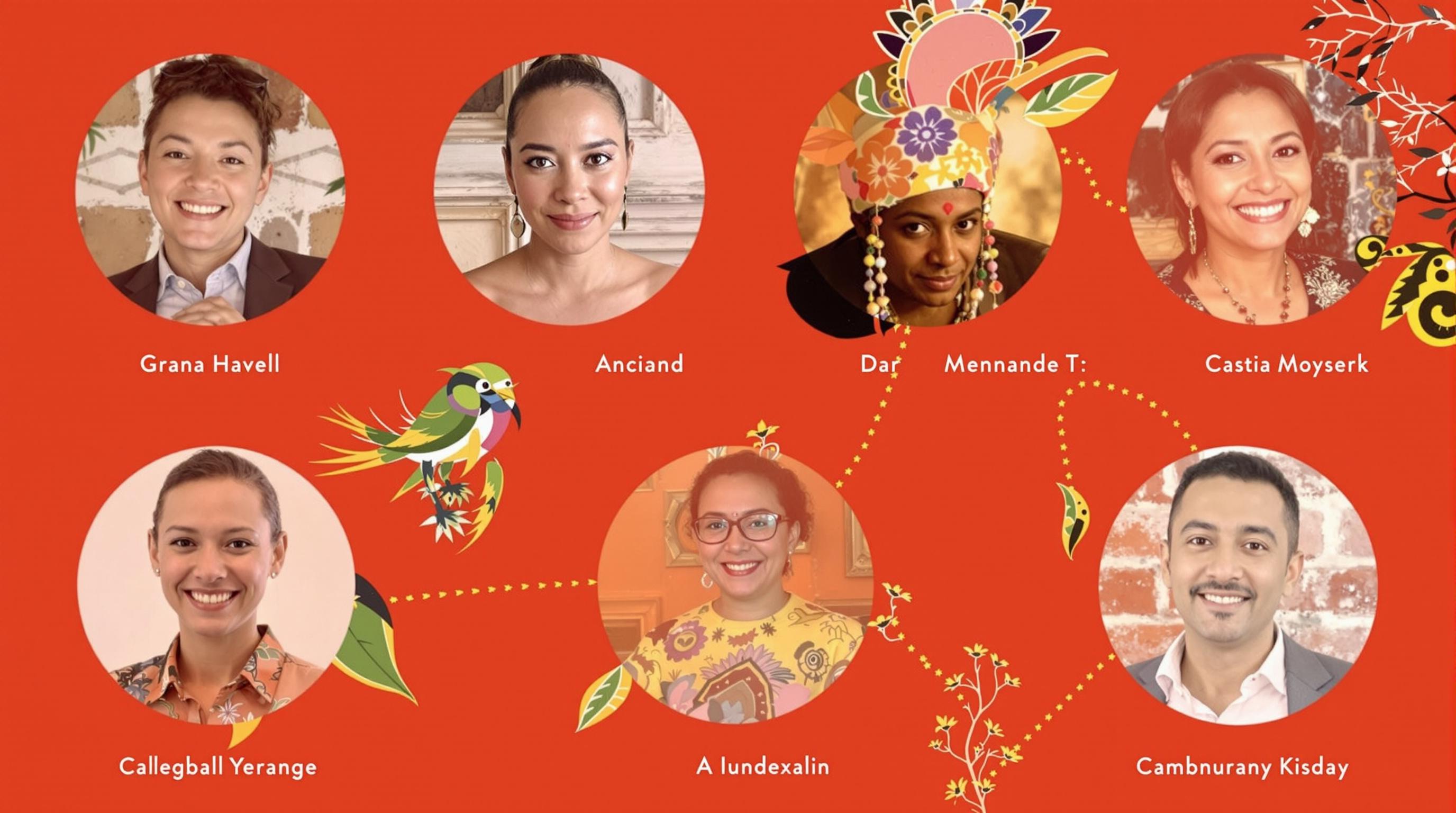
8 Unusual Connections: How Indigenous Knowledge is Cultivating Sustainable Tourism and Fostering Ecological Synergy
8 Unusual Connections: How Indigenous Knowledge is Cultivating Sustainable Tourism and Fostering Ecological Synergy
8 Unusual Connections: How Indigenous Knowledge is Cultivating Sustainable Tourism and Fostering Ecological Synergy
Introduction to Indigenous Knowledge
Indigenous knowledge encompasses the wisdom, practices, and beliefs unique to specific cultural groups, often passed down through generations. This knowledge base, rooted deeply in local ecosystems, offers invaluable insights into sustainable living and environmental stewardship. By respecting and integrating Indigenous perspectives, stakeholders in the tourism industry can enhance ecological balance and support community resilience.
The importance of Indigenous knowledge in sustainable tourism lies in its holistic approach to land management, resource use, and cultural preservation. Unlike conventional tourism, which often operates on a profit-driven model, Indigenous tourism emphasizes the interconnectedness of nature, culture, and economy, ensuring that benefits flow directly to local communities. This synergy fosters sustainability and minimizes the ecological footprint usually associated with mass tourism.
Recent research highlights that Indigenous-led tourism initiatives can lead to more sustainable practices, significantly reducing impacts on natural resources. As a result, the global tourism industry is gradually recognizing the value of these unique connections and is increasingly looking to collaborate with Indigenous communities in sharing their cultural and ecological expertise.
The Role of Ecological Wisdom
Indigenous peoples possess intricate ecological knowledge, often referred to as Traditional Ecological Knowledge (TEK). This sets them apart from conventional practices, focusing on long-term relationships with their environment rather than short-term gains. TEK can guide sustainable tourism development by promoting biodiversity, soil health, and ecosystem restoration efforts.
For example, many Indigenous communities practice seasonal rotations and polycultures, preventing overexploitation of certain species and maintaining ecosystem health. By integrating these practices into the tourism framework, local enterprises can educate visitors on sustainable agriculture, fishing, and land use. This not only enhances the visitor experience but also nurtures a collective responsibility toward ecological conservation.
Moreover, the sharing of TEK can rebuild relationships with the land, encouraging visitors to adopt eco-friendly practices in their own lives. The wisdom of Indigenous communities can reveal innovative methods for ecological problem-solving, enhancing sustainable resource management and cultivating a deeper appreciation for local environments.
Cultural Heritage and Storytelling
One of the most profound connections between Indigenous knowledge and sustainable tourism is the emphasis on storytelling. Indigenous narratives often carry deep meaning about the land, culture, and environment. Through tourism, these stories are shared with visitors, providing them with a deeper understanding of the cultural significance of the areas they visit.
Storytelling encourages emotional connections between tourists and local cultures. This rich tapestry of heritage not only enhances the visitor experience but encourages respect and appreciation for Indigenous traditions. When tourists engage with stories that highlight the intertwining of culture and ecology, it fosters a sense of unity and stewardship for the natural world.
Furthermore, the tourism industry can offer platforms for Indigenous voice and representation, allowing for businesses that prioritize cultural authenticity and connection to thrive. This approach can act as a catalyst for cultural revitalization, whereby Indigenous communities reclaim their narratives and promote tourism that honors their heritage.
Revival of Traditional Practices
As tourism begins to embrace Indigenous knowledge systems, there is a resurgence of traditional practices, rituals, and crafts. Tourists become eager participants in these age-old practices, ranging from traditional fishing techniques to Native American storytelling. This engagement fosters a sense of shared experience and connection to the land.
Adopting traditional methods and lifestyles not only preserves Indigenous culture but also offers tourists authentic experiences that foster meaningful connections. By engaging in these practices, tourists gain an understanding of cultural values and the significance of ecological stewardship, creating lasting memories and connections to the land.
Moreover, the revival of traditional practices leads to economic opportunities for Indigenous communities, ensuring that they benefit from the tourism sector while simultaneously safeguarding their cultural heritage. This economic empowerment plays a vital role in promoting social equity and sustainable development in Indigenous regions.
Community-Driven Initiatives
Successful Indigenous tourism efforts often stem from community-driven initiatives that prioritize local needs and aspirations. By ensuring that Indigenous communities are at the forefront of tourism development, projects can align with their values and environmental goals. Such an approach promotes holistic and equitable solutions that benefit both the environment and the local economy.
For instance, guided eco-tours led by Indigenous peoples emphasize ecological awareness and promote conservation. Tourists are propelled to become ambassadors for natural preservation as they learn about local flora and fauna, the importance of natural habitats, and the impact of climate change on Indigenous ways of life.
These community-driven initiatives not only enhance the tourist experience but also build lasting relationships between visitors and Indigenous communities. By fostering cooperation and mutual understanding, tourism can empower Indigenous groups while contributing to ecological conservation and sustainable practices.
Collaborative Conservation Efforts
Indigenous knowledge plays a crucial role in collaborative conservation efforts, as many Indigenous peoples have inhabited and nurtured these environments for thousands of years. The partnerships formed through Indigenous-led tourism can lead to innovative solutions to current environmental challenges, such as climate change and habitat loss. In many cases, Indigenous-led conservation initiatives prioritize long-term ecological health over short-term economic benefits.
Partnerships between Indigenous communities, local governments, and conservation organizations facilitate the exchange of knowledge and resources, strengthening conservation initiatives. For example, the involvement of Indigenous peoples in park management encourages inclusion and highlights the importance of traditional practices in safeguarding natural landscapes.
Through these collaborations, tourists are often educated on the fragile ecosystems they are visiting, empowering them to act as stewards of the environment. This collective approach can lead to more successful conservation outcomes while preserving the cultural identities and landscapes of Indigenous communities.
Economic Empowerment through Indigenous Tourism
Indigenous tourism has the potential to create significant economic opportunities while simultaneously supporting cultural preservation. By establishing tourism enterprises that reflect their unique cultural identities, Indigenous communities can generate income and create jobs while maintaining control over their heritage.
When done thoughtfully, Indigenous tourism operates in synergy with traditional stewardship, fostering a connection between economic development and ecological well-being. The revenue generated from tourism can be reinvested in community projects, environmental initiatives, and cultural preservation efforts, creating a positive feedback loop that benefits both the community and the environment.
Additionally, economic empowerment through tourism can foster pride in Indigenous identity and culture, leading to renewed enthusiasm for cultural practices. Empowered communities can advocate for their rights and preserve their traditions, all while contributing to sustainable tourism development.
Challenges and Considerations
Despite the numerous benefits of integrating Indigenous knowledge into sustainable tourism, challenges remain. Navigating the complexities of cultural representation and commercialization can be difficult, as there is a fine balance between sharing knowledge and exploiting it for profit. Care should be taken to ensure that Indigenous voices are respected and represented accurately.
Additionally, managing the impacts of tourism on local ecosystems and cultural sites requires careful planning and long-term strategies. Without proper oversight, tourism can lead to environmental degradation, cultural dilution, and conflict between stakeholders. Indigenous communities must lead the conversation surrounding tourism development to ensure their rights and knowledge inform best practices.
To address these challenges, stakeholders can establish frameworks for ethical engagement that honor Indigenous sovereignty and promote meaningful collaborations. Building strong relationships and adhering to principles of reciprocity, respect, and responsibility will be vital as the tourism industry evolves in conjunction with Indigenous wisdom.
The Future of Indigenous-Informed Tourism
The integration of Indigenous knowledge into sustainable tourism has the potential to reshape the industry for the better. As more travelers seek authentic, purposeful experiences, there is a growing demand for tourism centered around Indigenous cultures and practices. This shift provides an opportunity for Indigenous communities to reclaim agency in the tourism sector.
Future tourism models must embrace the principles of sustainability, cultural sensitivity, and community empowerment. By prioritizing Indigenous perspectives in tourism planning and development, the tourism sector can become a powerful tool for ecological stewardship and cultural preservation, fostering mutual respect between visitors and local communities.
Embracing indigenous knowledge not only enriches the tourism experience but transforms how the industry views its role in environmental conservation. As we move forward, a commitment to collaboration and understanding will create a sustainable future where ecological integrity and Indigenous wisdom thrive side by side.
Read More