Related Articles
- Culinary Cartography: The Unexpected Foods Shaping Local Identity in Urban Landscapes
- Flavors of the Forgotten: Rediscovering Culinary Traditions in the Shadows of Modern Food Trends
- Palate Pilgrimage: The Unlikely Fusion of Ancient Rituals and Modern Local Fare
- Ecosystem Engineers: Celebrating the Role of Nature-Based Solutions in Transforming Eco-Travel Experiences
- Ghost Towns and Green Trails: Unearthing Sustainable Journeys Through Forgotten Landscapes
- Hidden Footprints: Decoding the Carbon Footprint of Digital Nomadism in Edging Towards Sustainable Getaways
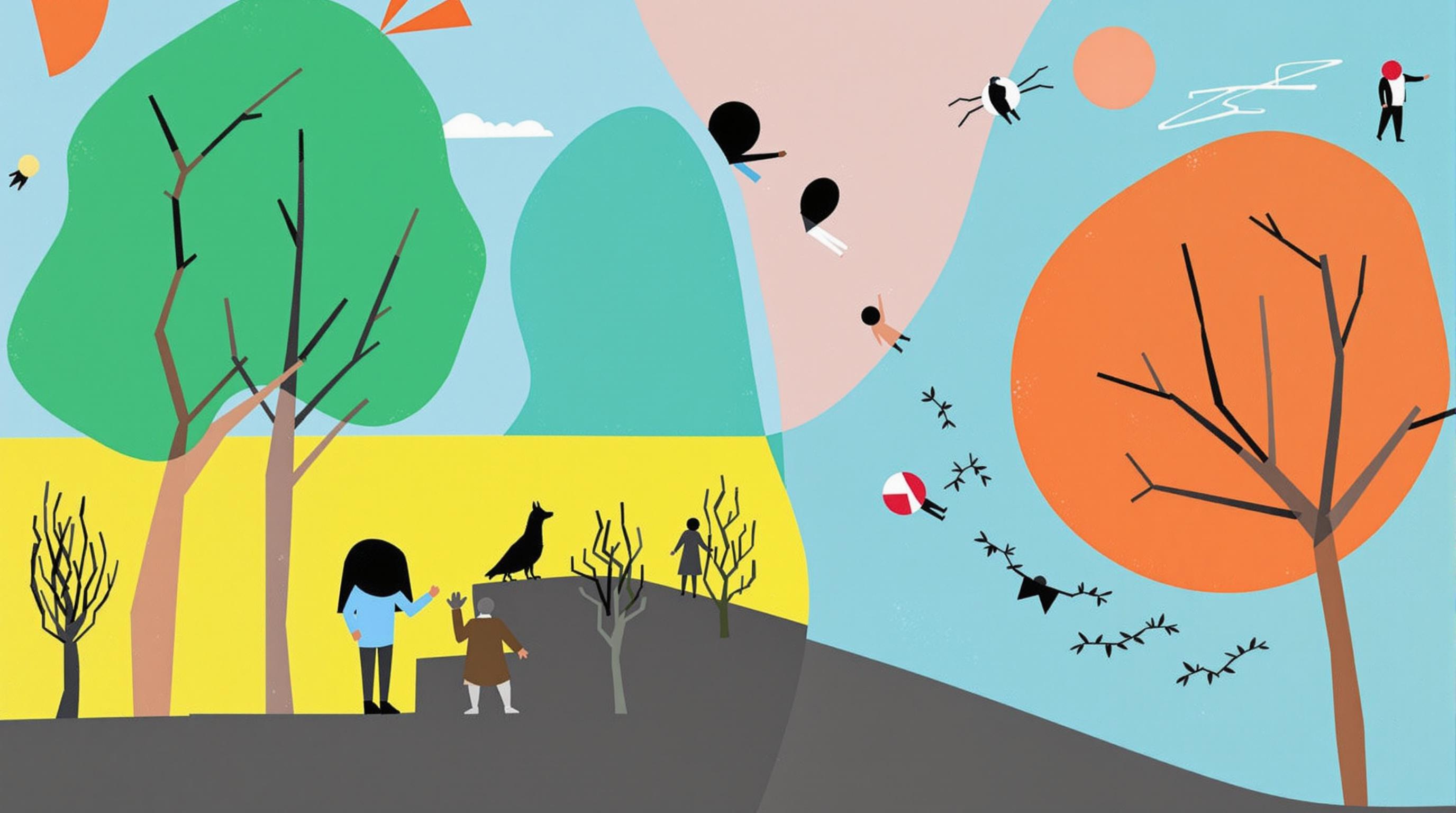
The Art of Discomfort: How Challenging Cultural Norms Can Lead to Personal Growth and Global Understanding
The Art of Discomfort: How Challenging Cultural Norms Can Lead to Personal Growth and Global Understanding
Embracing discomfort by challenging cultural norms can be a catalyst for profound personal transformation and enhanced global awareness. This journey often leads us to confront our biases, expand our horizons, and foster a deeper understanding of ourselves and others.
The Weight of Comfort Zones
We live in a world eager for comfort. From our favorite coffee shops to the predictable rhythms of our daily lives, comfort zones feel safe and welcoming. But as soon as we dive into the realm of discomfort, we start to scratch at the surface of personal growth. According to a study by the American Psychological Association, moving outside of our comfort zones can lead to greater creativity and problem-solving skills. Yet, most people tend to avoid discomfort like the plague.
Challenging Cultural Norms
Cultural norms shape our worldviews and influence our interactions. Many of these norms dictate how we dress, communicate, and even think. For example, consider the struggle for gender equality: women in various parts of the world still fight against societal expectations about their roles. In Saudi Arabia, the introduction of women driving in 2018 was a monumental change that challenged long-standing cultural norms. Despite initial resistance, this shift has opened up new avenues for women, leading to greater independence and empowerment.
Personal Stories Unplugged
Let’s take a moment to share a story from Sarah, a 26-year-old woman from the Midwest U.S. She grew up in a conservative environment where expressing dissenting opinions was frowned upon. When she moved to a diverse urban area for college, she experienced culture shock mixed with a thrilling sense of liberation. Initially, Sarah felt a tug of fear when engaging in discussions about gender, race, and sexuality. But after several months of exposure to differing perspectives, she found her voice, ultimately evolving into an advocate for change on campus.
The Humorous Side of Discomfort
Now, let’s laugh a bit: ever tried sushi for the first time? Most people’s reaction is either delight or a comical display of horror—waving their hands as if to say, "What is this slippery, raw fish doing on my plate?" The first bite often feels like a leap into the unknown. Yet, according to a survey, 61% of individuals who tried sushi reported loving it post-experience. It’s funny how discomfort can turn into a favorite food, right? This illustrates how stepping out of our culinary comfort zone can lead to delightful surprises.
Global Understanding: The Bigger Picture
When we challenge cultural norms, we often foster greater global understanding. Travel, for example, thrusts us into another culture that may have customs and beliefs vastly different from our own. A report from the World Economic Forum found that exposure to diverse cultures dramatically decreases prejudice and increases empathy. What could be more valuable in today's fragmented global landscape than the ability to empathize?
Case Study: Empathy Through Discomfort
The story of "The Lunchbox" is a perfect example. This 2013 Indian film showcases the extraordinary connection between a lonely office worker and a housewife through mistaken lunchbox deliveries. Their relationship, built on shared stories amid the constraints of traditional roles, invites viewers to ponder the cultural divide while evoking empathy. The film resonates with anyone willing to step outside their bubble and witness the power of human connection.
Statistics that Make You Think
Let me throw some stats your way: A 2018 study by the Pew Research Center revealed that 70% of respondents believe that engaging with different cultures has helped them better understand their own beliefs. This notion is enormous; as we step outside our cultural norms, we don’t just learn about others; we often find reflections of ourselves. Let’s face it, sometimes the hardest revelation is realizing that we all share more similarities than differences.
Personal Growth from Confrontation
Discomfort breeds growth; it’s a universal truth. Consider learning a new language: the first couple of weeks often feel frustrating and awkward. But as you struggle and grapple with pronunciation, grammar, and vocabulary, something magical happens—you begin to connect with a culture you once viewed through a narrow lens. Cultural immersion often highlights our vulnerabilities, and in the end, we often emerge not just bilingual, but with enhanced emotional intelligence.
A Generational Shift
Let’s talk about Gen Z—a generation shaking things up. With strong inclinations towards inclusion and social justice, they are unafraid to challenge traditional cultural values. The events of 2020 saw young people globally mobilizing for social change, utilizing technology to amplify their voices. Discomfort comes in layers: for some, it is confronting privilege, while for others, it is the willingness to stand shoulder to shoulder with unfamiliar allies. This generational fight for change often leads to soil-rich environments for empathy to flourish.
Celebrating Discomfort: Rituals for Growth
Different cultures celebrate discomfort through various rituals. Consider the Japanese practice of “Ikigai,” which encourages individuals to find their purpose through a mix of interests, passions, and societal needs. By embracing what makes them uncomfortable, they thrive instead of merely surviving. Similarly, the Maasai tribes engage in rituals that bring teenagers into adulthood, pushing them beyond their existing capabilities, promoting resilience and communal bonds.
A Call to Action
Now I’m challenging you: what norms can you challenge in your life? Maybe it’s exploring a new hobby or speaking openly about an uncomfortable topic. Create a plan that includes one small discomfort per week. You might even find that your weekly dose of discomfort leads to unexpected avenues of delight, inspiration, and personal growth! As you do this, document your journey, and perhaps even share it with others, as meaningful connections often blossom from vulnerability.
Conclusion: The Unending Journey
Ultimately, the art of discomfort is ongoing. It requires us to continuously step outside of ourselves to see the world anew. Do not be afraid of tension—trust in it. Personal growth and global understanding are not destinations; they’re beautifully winding paths filled with lessons, challenges, and the occasional sushi experience. As we lean into discomfort, may we all find the strength to challenge cultural norms and, in turn, unlock new avenues of collective humanity.
Every person has a role in this ever-evolving tapestry. Whether you’re 16 or 70, your story matters, and your willingness to embrace discomfort can inspire others. So go forth, explore, and revel in the richness that awaits beyond the norms you think you know.
Read More