Related Articles
- Culinary Cartography: The Unexpected Foods Shaping Local Identity in Urban Landscapes
- Flavors of the Forgotten: Rediscovering Culinary Traditions in the Shadows of Modern Food Trends
- Palate Pilgrimage: The Unlikely Fusion of Ancient Rituals and Modern Local Fare
- Ecosystem Engineers: Celebrating the Role of Nature-Based Solutions in Transforming Eco-Travel Experiences
- Ghost Towns and Green Trails: Unearthing Sustainable Journeys Through Forgotten Landscapes
- Hidden Footprints: Decoding the Carbon Footprint of Digital Nomadism in Edging Towards Sustainable Getaways
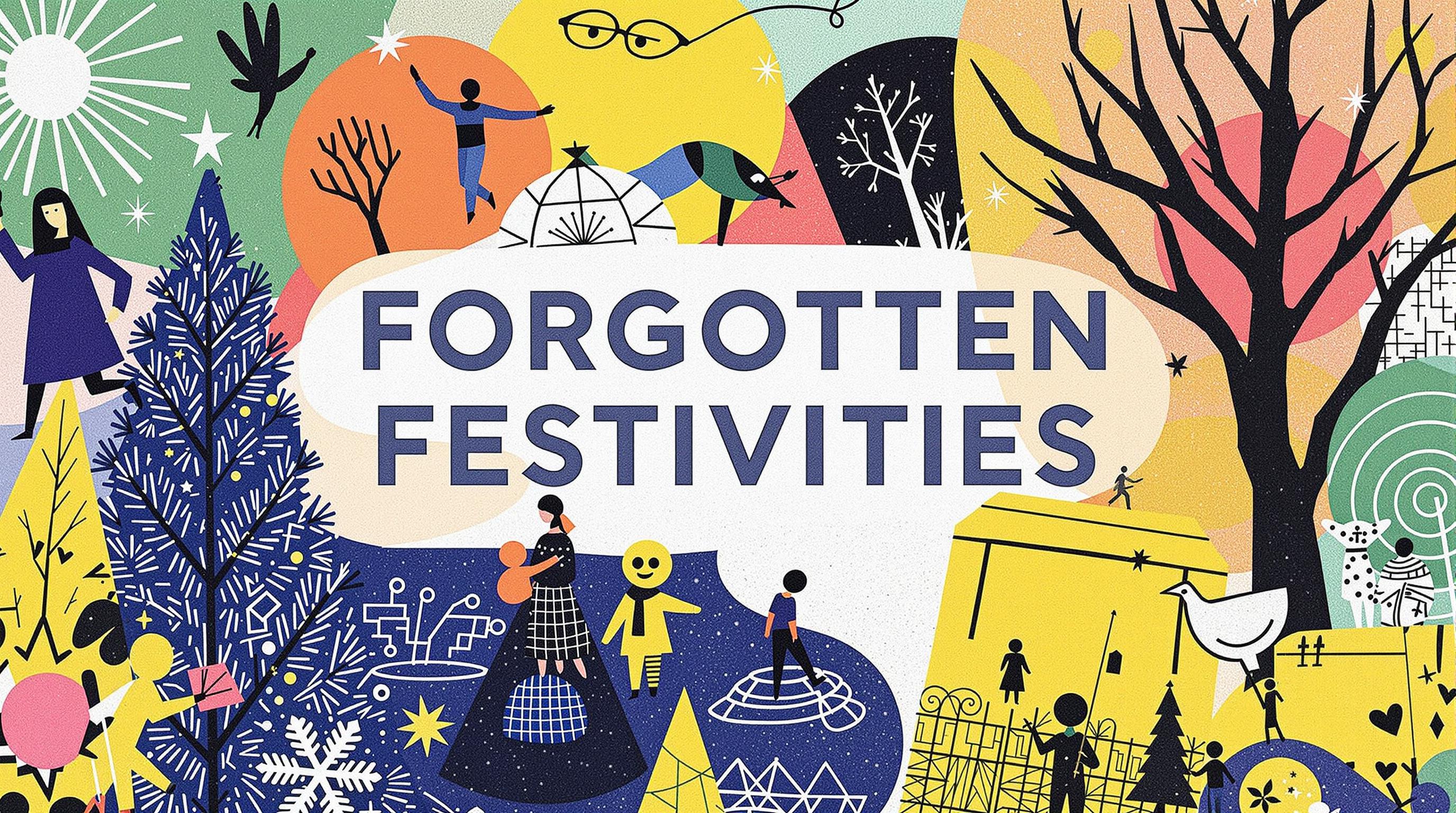
Forgotten Festivities: Unearthing Uncelebrated Holidays That Reveal the Soul of Modern Societies
Forgotten Festivities: Unearthing Uncelebrated Holidays That Reveal the Soul of Modern Societies
Throughout history, innumerable holidays have been born, celebrated, and, for various reasons, forgotten. In this exploration, we delve into uncelebrated festivities that reveal the soul of contemporary societies, blending humor and storytelling with poignant observations and case studies.
A Brief Historical Background
The concept of celebration is interwoven into the fabric of human culture. Ancient civilizations held festivals to honor the seasons, agricultural cycles, and deities. For instance, the Roman festival of Saturnalia not only celebrated the god Saturn but also brought communities together in a frenzy of feasting and revelry. From the poignant silence of Yom Kippur to the exuberant chaos of Mardi Gras, holidays have long served as mirrors to societal values and struggles. However, in the chaotic whirlwind of modern life, some of these holidays have been left behind, gathering dust and fading from collective memory.
Forgotten Festivities
Let's take a stroll down the memory lane—or rather the memory alley—where live unexpected holidays that deserve a revival. Here are a few celebrations that have nearly vanished from the public consciousness:
1. Emancipation Day (April 16)
Oh, Emancipation Day—not to be confused with a famous blockbuster sequel. Celebrated primarily in Washington D.C., this day marks the announcement of the Emancipation Proclamation in 1862, when President Abraham Lincoln freed more than 3,000 enslaved people in the District. Celebrated with parades and events, fewer people recognize its significance today. A survey by the Pew Research Center revealed that only 22% of Americans are aware of Emancipation Day. How about we make this day not just a footnote in history but a true celebration of freedom in contemporary America?
2. World Laughter Day (First Sunday of May)
Who doesn’t love a good chuckle? World Laughter Day aims to raise awareness about the importance of laughter in promoting peace and friendship worldwide. Launched in 1998, this unique observance is sponsored by Laughter Yoga International and encourages people to participate in laughter yoga sessions. It’s as though the universe collectively agreed that chuckles could heal the world, yet many let the day pass unnoticed—perhaps too busy scrolling through social media or watching cat videos. So, mark your calendars! Let’s laugh our way to a more connected society.
Case Studies in Reviving Festivities
While it's easy to reminisce about forgotten holidays, shining a light on successful revival efforts can inspire modern societies to reconnect with their roots. Take, for example, the revival of Día de los Muertos (Day of the Dead) in Mexico. Once overshadowed by Halloween, this vibrant celebration honoring deceased loved ones has transformed into a global phenomenon. In 2008, UNESCO recognized it as an Intangible Cultural Heritage, reflecting its cultural significance. Festivals have popped up worldwide, where vibrant altars and sugar skulls weave the past into the present. This illustrates how communities can breathe life into once-forgotten traditions, reinforcing connections to cultural identity.
Modern Societal Reflections
The world has become a cacophony of cultures and traditions, often overshadowed by major holidays like Christmas and Eid al-Fitr. But what do these forgotten festivities reveal about our modern societies? They remind us of the value in diversity, the richness of history, and the kinship between generations.
Statistics show that societies celebrating diverse holidays often exhibit higher levels of social cohesion. A report from the National Endowment for the Humanities indicates that communities observing unique, lesser-known traditions report stronger mutual trust and engagement among their members. It's as if these celebrations act as threads weaving individuals together, creating a rich tapestry of shared narratives.
A Humorous Perspective
Why not make every day a holiday? Picture this: No work on National Napping Day (the Monday after Daylight Saving Time) or perhaps a feast on National Pickle Day (November 14) which, let’s be honest, no one actually celebrates—mainly because pickles don’t typically bring people together unless you’re at a deli. Imagine what a world governed by quirky holidays might look like! The global economy could become a haven for lazy sunshine lovers and pickle enthusiasts alike. Maybe it’s time we recognize the importance of doing absolutely nothing for a day!
The Keeper of Traditions
While the younger generation often seems disconnected from historical holidays, many elders are the self-appointed keepers of traditions. Consider the impact of storytelling: a grandmother recounting tales of past festivities can reignite a sense of cultural pride and understanding. Elderly individuals possess a treasure trove of experiences, and their memories can be an inspiration to breathe new life into forgotten celebrations.
Global Greatness in Obscurity
Not to be overlooked, lesser-known global festivities can also teach much about humanity. In Finland, for instance, the "Juhannus" celebration takes place around the summer solstice, marking the arrival of midsummer. It's a vibrant mix of music, bonfires, and nature, rarely recognized beyond the borders of Finland. Similarly, "Pancake Day" in the UK may seem ordinary, but it signifies a transition into Lent and marks a fun, culinary tradition involving flips and flour—an event not to be dismissed!
The Power of Revival
Reviving forgotten holidays may seem ambitious, but even subtle reintroductions can create community spaces for interaction and reconnection. Structures for engaging local residents—whether through communal gatherings, social media campaigns, or educational workshops—can breathe life back into neglected festivals. The fabric of society arguably grows stronger when these threads of celebration are woven back in.
The Role of Technology
In today’s interconnected world, technology can serve as a powerful ally in reviving these dormant celebrations. Social media trends can reach millions at the click of a button; a single hashtag could transform our perception of an uncelebrated holiday, as it did for #GivingTuesday. That initiative has fostered a global movement, emphasizing acts of kindness that transcend the commercialism surrounding traditional holiday seasons.
Conclusion: Champions of Forgotten Festivities
In effect, embracing these rich, though overlooked, celebrations can illuminate our path towards more cohesive modern societies. It’s through the unearthing of these forgotten festivities that we can glean their deeper meanings, weaving our complex stories into the mosaic that comprises our world today.
Whether it’s a hearty laugh, the solemnity of honoring ancestors, or indulging in quirky food celebrations, these festivities help us remember who we are. So, dear reader, join us in becoming champions of forgotten festivities—let’s revitalize these hidden gems one celebration at a time!
Read More