Related Articles
- Culinary Cartography: The Unexpected Foods Shaping Local Identity in Urban Landscapes
- Flavors of the Forgotten: Rediscovering Culinary Traditions in the Shadows of Modern Food Trends
- Palate Pilgrimage: The Unlikely Fusion of Ancient Rituals and Modern Local Fare
- Ecosystem Engineers: Celebrating the Role of Nature-Based Solutions in Transforming Eco-Travel Experiences
- Ghost Towns and Green Trails: Unearthing Sustainable Journeys Through Forgotten Landscapes
- Hidden Footprints: Decoding the Carbon Footprint of Digital Nomadism in Edging Towards Sustainable Getaways
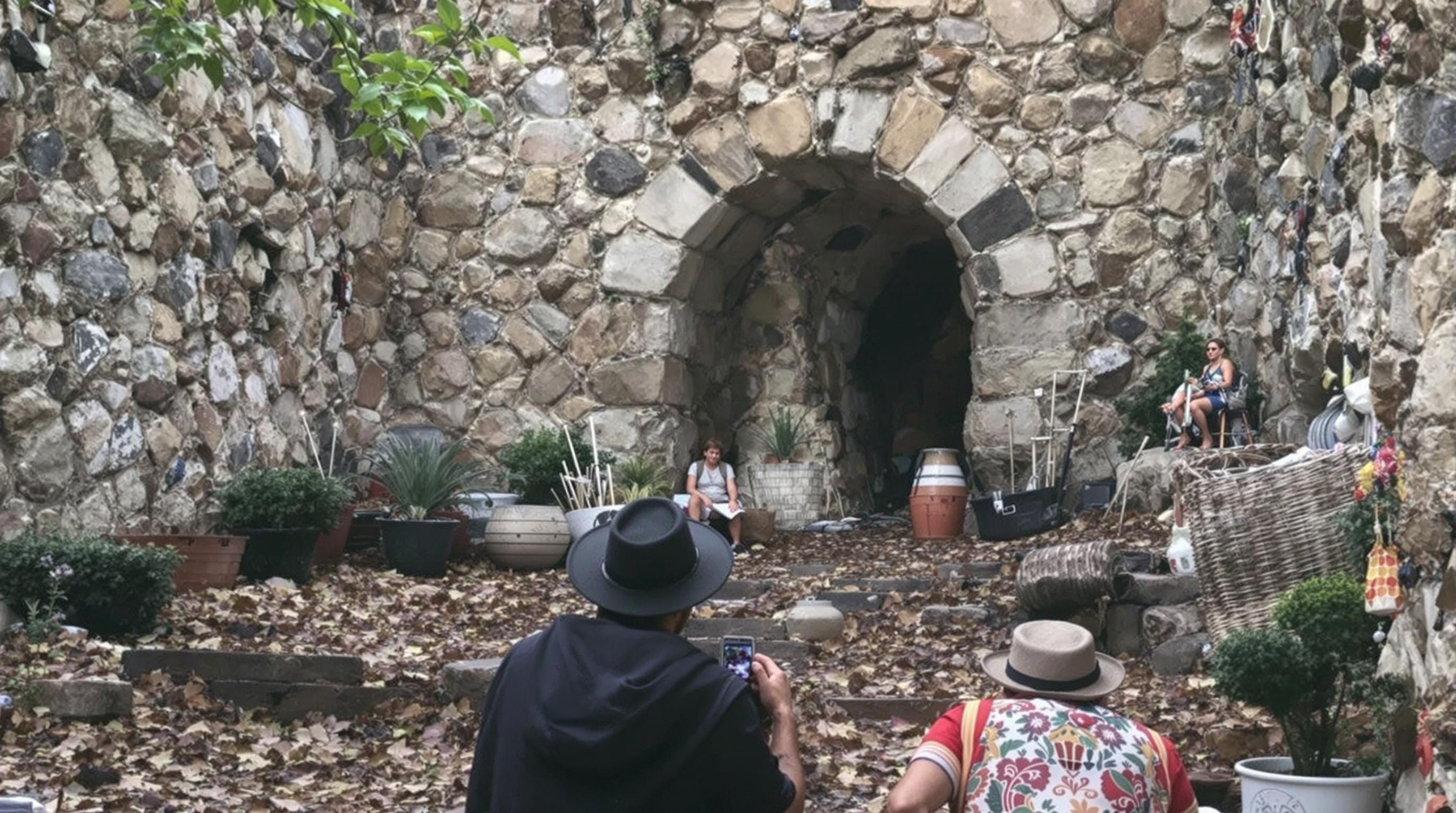
8 Hidden Heritage Tracks: Unveiling the Obscure Journeys That Create Unlikely Connections Through Cultural Pilgrimages
8 Hidden Heritage Tracks: Unveiling the Obscure Journeys That Create Unlikely Connections Through Cultural Pilgrimages
8 Hidden Heritage Tracks: Unveiling the Obscure Journeys That Create Unlikely Connections Through Cultural Pilgrimages
Introduction to Cultural Pilgrimages
Cultural pilgrimages offer more than just a path to spiritual enlightenment. They serve as a means to connect diverse communities and cultures through shared experiences and histories. These journeys can reveal hidden narratives that often get overshadowed by more popular routes. The significance of these lesser-known paths lies in their ability to forge unexpected connections among pilgrims.
The allure of cultural pilgrimages lies in their authenticity. Unlike well-trodden paths, these hidden tracks invite travelers to immerse themselves in local cultures while encountering the rich tapestry of human experiences. Each step along these routes encourages introspection about identity, history, and the intricate web that binds humanity together.
This article will explore eight such hidden heritage tracks, shedding light on their unique stories and the connections they nurture. As these journeys unfold, they remind us of the importance of cultural understanding and the potential for connection that lies within our travels.
The Camino de Santiago - The Lesser-Known Routes
While the Camino de Santiago draws thousands to its primary paths each year, the lesser-known trails such as the Camino de Invierno present a quieter, more contemplative alternative. This route winds through stunning landscapes in Galicia, dodging the crowded ways and offering pilgrims a chance to reflect on their journeys.
Walking the Camino de Invierno allows pilgrims to engage with local communities that seldom interact with the mainstream routes. Small towns such as A Rúa and Monforte de Lemos provide insight into Galician traditions. These interactions create cultural exchange, where mutual understanding flourishes.
With fewer travelers, this path enhances the experience of self-discovery, compelling pilgrims to share stories and forge connections that might not occur on busier trails. The quietude of these hidden routes fosters an environment for camaraderie and deeper engagement with the heritage along the way.
The Via Francigena - An Italian Gem
The Via Francigena is a lesser-known counterpart to the Camino de Santiago, stretching from the English Channel to Rome. This ancient route offers travelers a glimpse into Italy's diverse regions, from the lavender fields of Tuscany to the stunning architecture of Rome, creating a rich tapestry of experiences.
Along the way, pilgrims can discover traditions that date back centuries, such as the art of cheese-making in the Aosta Valley or the vibrant street markets of Siena. Through these interactions, pilgrims immerse themselves in local customs, forging connections with people who preserve the intricate details of their cultural heritage.
The Via Francigena encourages the discovery of hidden gems often overlooked by mainstream tourism, making it a pilgrimage rich with cultural narratives. As more travelers choose these pathways, they contribute to the revival and preservation of local traditions, fostering an appreciation for Italy's multifaceted identity.
The Silk Road - Cultural Relics of the Past
The Silk Road isn't just a trade route; it's a cultural pilgrimage that spans multiple countries and centuries. Often, the focus is on popular cities like Samarkand and Beijing, yet the lesser-known sections reveal hidden treasures of history and cultural exchange.
Traveling through the lesser-explored paths, pilgrims can encounter ancient caravanserais, temples, and markets, all steeped in the stories of traders and travelers who once thrived there. The experiences shared along these routes forge connections between travelers and the descendants of those who once journeyed these paths.
As pilgrims discover local crafts, culinary traditions, and historical sites, they contribute to the preservation and appreciation of the diverse cultures that flourished along the Silk Road. This connection to the past enriches the present, inviting a broader understanding of global heritage.
The Route of the Mazurkas - Polish Musical Pilgrimage
In Poland, the Route of the Mazurkas celebrates the legacy of renowned composer Frédéric Chopin. While many may flock to Warsaw, the hidden paths through rural Mazovia highlight the natural beauty and musical heritage that inspired Chopin's works.
Travelers can explore picturesque villages, visit historical sites, and partake in traditional music festivals that celebrate Mazurkas. Here, they find the opportunity to engage with local musicians and artisans who keep that cultural spirit alive, creating an artistic dialogue across time.
This pilgrimage goes beyond mere exploration; it invites participants to connect with the local rhythms and melodies that shaped Chopin’s compositions. Through these experiences, pilgrims create unlikely connections grounded in the expressive power of music and shared cultural pride.
The Pilgrimage to Santiago de Compostela - The Coastal Path
In contrast to the more popular inland routes, the Coastal Path of the Camino de Santiago offers stunning oceanic panoramas and local fishing culture. Walking along the coast provides a unique perspective on the pilgrimage as it merges the spiritual with the rhythm of daily life in seaside towns.
Pilgrims on this route are greeted by welcoming locals who share stories of their maritime heritage, highlighting the way fishing shaped their history. As travelers engage with these communities, they foster connections rooted in mutual respect and the sharing of traditions, showcasing the intersection of land and sea.
The Coastal Path, while challenging, enriches the spiritual experience, allowing pilgrims to reflect on their journey against the backdrop of vast horizons. This connection to both nature and culture serves as a reminder of the profound relationship between man and the earth.
The Pilgrimage of St. Olav - Norwegian Heritage
The Pilgrimage of St. Olav in Norway connects travelers with the nation's medieval past, as they journey towards the historic site of Nidaros Cathedral. While the route gains recognition, many still overlook the magical landscapes and folklore embedded in the trails.
Travelers along this pilgrimage are often treated to stories of ancient Norse culture, local legends, and the nurturing of the natural environment. This vibrant interaction with local communities promotes a deeper appreciation for Norwegian history and the spirit of exploration that defined it.
As pilgrims traverse the rugged terrain and connect with the world around them, the journey transcends mere self-exploration and fosters collective experiences, illustrating the importance of heritage in shaping national identity.
The Jordan Trail - Bridging Cultures
The Jordan Trail presents a diverse landscape filled with historical and cultural significance, stretching over 650 kilometers from Um Qais in the north to Aqaba in the south. The path invites travelers to explore hidden archaeological sites while engaging with the warm Jordanian hospitality.
Along the way, pilgrims encounter communities that embody the region's rich tapestry, from Bedouins to urban dwellers. This engagement encourages a dialogue that spans cultures, breaking down barriers and fostering mutual respect through shared experiences.
Traveling along the Jordan Trail opens the doors to learning about cultural practices and traditions that might otherwise remain hidden. This connection is vital as it emphasizes the importance of preserving narratives that celebrate human resilience across time and place.
The Way of St. Francis - Uncovering Italian Natural Beauty
The Way of St. Francis offers a path not only through physical landscapes but also through cultural reflections of spirituality and social reform. Focusing on lesser-known routes provides travelers with the chance to connect more intimately with both nature and local populations.
This pilgrimage takes participants through the stunning regions of Umbria and Lazio, where interactions with locals shed light on traditional farming, artisanship, and the delicate balance between progress and preservation. The mutual exchange fosters a sense of belonging and community among travelers and hosts.
As participants immerse themselves in this journey, they gain a greater understanding of the wealth of cultural heritage that defines Italy. The Way of St. Francis illustrates how paths of faith can unite people, taking them beyond their own narratives toward a shared understanding of humanity.
Conclusion
Hidden heritage tracks provide a platform for cultural exchanges that illuminate the richness of human history. From the Coastal Path of Santiago de Compostela to the Via Francigena and beyond, each pilgrimage weaves together stories of resilience, art, and community, fostering connections across time and space.
These routes remind us that travel is not solely about the destination but also about the relationships formed along the way. Through mutual respect and shared storytelling, we find commonalities that transcend our differences.
As we delve into these obscure journeys, we uncover the threads that connect us, paving the way for a deeper understanding of both our histories and our futures. By embracing hidden heritage tracks, we create a mosaic of experiences that honor the past while impacting the present.
Read More