Related Articles
- Culinary Cartography: The Unexpected Foods Shaping Local Identity in Urban Landscapes
- Flavors of the Forgotten: Rediscovering Culinary Traditions in the Shadows of Modern Food Trends
- Palate Pilgrimage: The Unlikely Fusion of Ancient Rituals and Modern Local Fare
- Ecosystem Engineers: Celebrating the Role of Nature-Based Solutions in Transforming Eco-Travel Experiences
- Ghost Towns and Green Trails: Unearthing Sustainable Journeys Through Forgotten Landscapes
- Hidden Footprints: Decoding the Carbon Footprint of Digital Nomadism in Edging Towards Sustainable Getaways
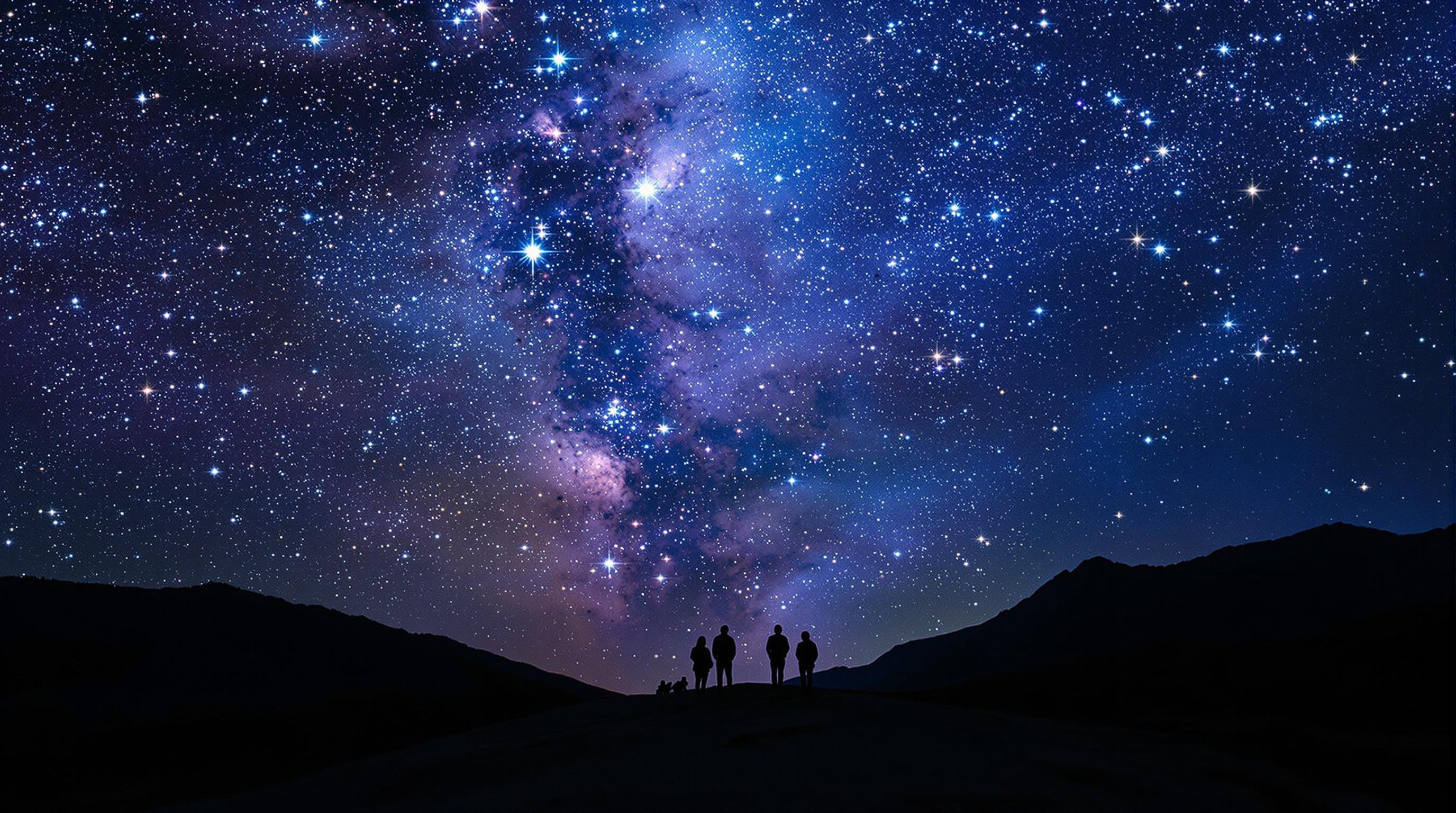
Curiosities of the Cosmos: Exploring the Myths and Mysteries of Remote Stargazing Destinations
Curiosities of the Cosmos: Exploring the Myths and Mysteries of Remote Stargazing Destinations
From the incandescent glow of nebulae to the enigmatic dance of the cosmos, remarkable places on our planet offer extraordinary views of the night sky. This article delves into the stunning mysteries of remote stargazing destinations, their myths, and the wonders they hold for the curious traveler.
The Magic of Stargazing
Imagine yourself lying on a blanket under the vast expanse of the night sky, a sea of twinkling stars stretching infinitely above. Stargazing isn't just a hobby; it's a way to connect with the universe, a conduit through which we can dream, ponder, and understand our place among the galactic wonders.
Persuasive Wonders: Why You Should Stargaze
Ever wondered why we gaze at the stars? Well, apart from the sheer beauty of it all, stargazing has scientifically proven benefits. Studies from the National Institutes of Health suggest that stargazing can reduce stress levels, encourage mindfulness, and improve mood (NIH, 2020). Spending just 15 minutes under a canopy of stars can help clear your mind and inspire creativity!
Legendary Locations: Where to Start Your Adventure
Traveling to exotic stargazing locations can create an unforgettable experience, but where should you go? Here’s a shortlist of some of the world’s best destinations for stargazers:
- Mauna Kea, Hawaii: Known for its high elevation and lack of light pollution, Mauna Kea is home to some of the world’s most advanced telescopes. The clear atmosphere allows for breathtaking views of the Milky Way and beyond.
- Atacama Desert, Chile: It receives less than 1mm of rain per year and hosts some of the driest conditions on the planet, making it an astronomical paradise. Numerous observatories, such as ALMA, take advantage of its dark skies.
- Joshua Tree National Park, California: With thousands of stars sparkling in a desert landscape, Joshua Tree offers habitats of unique flora alongside stellar experiences.
- Lake Tekapo, New Zealand: This location is part of a UNESCO Dark Sky Reserve where you can explore the heavens at the Mount John Observatory.
The Role of Light Pollution
According to a recent study published in the journal Science Advances, nearly a third of humanity can no longer see the Milky Way due to light pollution (Kyba et al., 2020). This raises a crucial point: the preservation of natural dark skies is imperative for the enjoyment and study of the universe.
Curious Myths About the Night Sky
As we dive deeper into our exploration of the night sky, it becomes apparent that various cultural myths enrich our understanding of celestial phenomena. For instance, did you know that the ancient Greeks believed that the constellation Orion represents a hunter who had gone to the stars? This myth adds a layer of storytelling that connects past societies with the celestial realm.
A Story of Connection: The Ties Between Earth and Sky
When my grandmother took me to our family's cottage in the countryside, far away from city lights, we spent long evenings wrapped in blankets, pointing at the twinkling sky. She shared stories of the constellations—how the North Star guided sailors and how Orion's Belt embodied bravery and strength. It was in those moments that I not only learned about astrology but also forged a deeper connection with my heritage and the universe. Every time I look up at the night sky, I think of her and feel that same warmth.
Germany’s Dark Sky Parks: An Invitation to Awaken Your Inner Stargazer
Germany has taken the initiative to create Dark Sky Parks, designated areas that minimize light pollution and create optimal conditions for stargazing. The Park of the Natural World in the High Harz region is an excellent example of local effort to protect dark skies. Here, enthusiasts can participate in guided star-gazing events and explore the night sky with knowledgeable astronomers.
Humorous Insights: The Perils of Stargazing
While some take stargazing quite seriously, there are plenty of light-hearted misadventures that can occur. Picture this: you finally trek to a perfect spot only to realize you've forgotten your telescope—or even worse, your blanket! Or what about the inevitable moment when you announce you've spotted a shooting star, only for your friends to reveal it was just a low-flying plane. The cosmos has a quirky sense of humor!
Statistics You May Not Expect
In a survey conducted among amateur astronomers, 57% reported they had misconceptions about the number of stars they could see at any given time (Astronomy Magazine, 2022). In reality, on a clear night, even a non-astronomer can view around 2,500-3,000 stars with the unaided eye!
Case Study: Connecting Through Cosmostalgia
In a recent initiative, astronaut Chris Hadfield launched a project called "Cosmostalgia," designed to inspire people to look up at the night sky and connect with their personal stories related to space and the stars. Participants shared over 1,000 stories, some recounting childhood memories, while others spoke of profound moments during challenging times, showcasing how the cosmos can stir our emotions and memories.
The Future of Stargazing
Looking toward the future, technology and environmental conservation are both crucial in shaping our stargazing experiences. The International Dark-Sky Association (IDA) works diligently to combat light pollution through advocacy and education about responsible outdoor lighting practices. Their efforts are making strides; in 2019 alone, they reported that 23 new International Dark Sky Places had been designated worldwide.
Why Social Media Plays a Role
Ever noticed how social media has influenced the way we share our stargazing experiences? Platforms like Instagram and TikTok have led to a rise in stargazing enthusiasts eager to share breathtaking celestial photographs. This trend in “astro-travel” not only encourages appreciation for our night sky but also promotes tourism in dark-skied areas. Imagine snapping a pic of the Milky Way with hashtags like #DarkSkyMagic while marveling at its beauty!
The Quest for Dark Skies Continues
Engagement in local volunteer initiatives to reduce light pollution helps preserve our ability to stargaze. Schools and community organizations can create programs that teach about the importance of dark skies, the consequences of light pollution, and how we can all respect the night. After all, the cosmos can only continue revealing its mysteries if we protect the environment that allows us to see it.
Rounding Off: The Heartbeat of the Universe
At the end of the day, stargazing nourishes an essential human curiosity: the desire to explore and understand our universe. Whether you’re a teenager looking for an escape or a retiree searching for inspiration, the night sky has an invitation for every generation. So grab your blanket, embrace the myths, and immerse yourself in the magic of the cosmos. The stars are waiting, and they're ready to share their secrets.
Read More